

Gentle parenting is an approach to raising children that focuses on empathy, respect, and understanding. Unlike more traditional, authoritarian parenting styles that come with strict rules and punishment, gentle parenting aims to create a nurturing and supportive environment for children. The goal is to raise young people who feel confident, have emotional intelligence, and are able to form healthy relationships.
Here’s a closer look at what gentle parenting entails and some practical tips for implementing it.
What is Gentle Parenting?

Gentle parenting begins with attempting to understand your child’s feelings and needs. It involves actively listening to what your child has to say and validating their emotions. It encourages parents to see situations from their child’s perspective and respond with compassion.
In addition, respect plays a key role in gentle parenting methods. This means treating children as individuals with their own thoughts and feelings, rather than as an extension of the parent. Gentle parents aim to foster mutual respect and understanding in their parental relationships, instead of just demanding obedience.
Gentle parenting is not without rules, though, contrary to the stereotypes surrounding it. This parenting style simply moves away from punishment and instead uses positive discipline. This involves teaching young people about the consequences of their actions in a supportive way, such as helping them learn from their mistakes without fear or shame.
Finally, building a strong, legitimate bond with your child is a must in gentle parenting. Gentle parents aim to spend quality time with their children, engaging in activities that strengthen familial relationships and create safe, secure attachments.
Gentle Parenting Tips
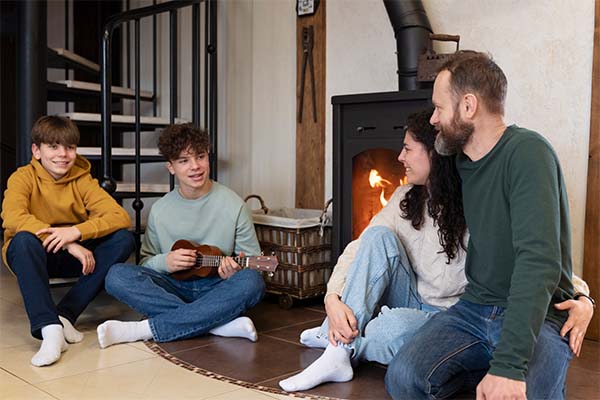
Many people wonder, “Does gentle parenting work,” and the answer is quite simple. Yes, gentle parenting works when implemented correctly. Gentle parenting techniques are all about finding balance, such as the balance between establishing rules and respecting a child’s autonomy. Gentle parents want to actually teach their children how to become happy, healthy adults, but part of that goal does not involve making the child feel afraid of disobeying or disagreeing with their parents.
If you’d like to explore it, here are a few tips to follow.
Practice Active Listening
Take time out of your day to listen to your child. Show that you understand how they feel by reflecting on what they’ve told you. For example, if your child is upset because a friend ignored them in favor of other friends, you might say, “I see that you’re feeling pretty low because your friend ditched you. That must be tough.”
Set Clear and Consistent Boundaries
Children need boundaries to feel safe and secure, just like adults do. However, in gentle parenting, these boundaries are set with empathy and explained clearly. Instead of simply saying, “Stop doing that because I said so,” you might offer a more reasonable statement, something like, “It’s not safe to climb up on the kitchen countertop. Go get a stool if you want something out of the cabinet.”
Use Positive Reinforcement

Gentle parenting discipline is perhaps one of the most misunderstood concepts of the style. Gentle parents do not just let their children run amok and do whatever they want. However, gentle parenting does focus on rewarding good behavior above punishing bad behavior. Praise and encouragement can go a long way in reinforcing positive actions. For instance, when your child shares something of theirs with a sibling, even though they don’t have to, gentle parents acknowledge that kindness.
Model the Behavior You Want to See
Children learn by observing their parents, and gentle parents do not believe in the “Do as I say, not as I do,” style of leadership. Instead, try demonstrating the behavior you want to see in your child. If you want your child to speak kindly to others, be a good example and do the same. One of the many benefits of gentle parenting is that it encourages parents to live up to their own expectations.
Allow Natural Consequences
Instead of rushing to fix every problem for your child, allow them to experience the natural consequences of their actions when safe to do so. This helps them understand the impact of their choices. For example, if they refuse to wear a coat on a chilly day, they’ll learn to dress warmly next time when they feel cold.
Stay Calm and Patient
Parenting can be challenging, but staying calm and patient is crucial. When you feel yourself getting frustrated, take a moment to breathe and collect your thoughts before responding. This helps you maintain a gentle and composed approach, even in difficult situations. There is very rarely a need to yell in order to get your point across, which is something gentle parents focus on.
Gentle parenting is about building a strong, respectful, and empathetic relationship with your child. By following these tips, you can create a nurturing environment that promotes your child’s emotional and social development. For more, check out gentle parenting books and resources to help you along your journey.