

Sharing is an essential social skill that helps children build friendships, develop empathy, and learn cooperation. However, many young children struggle with sharing their favorite toys, as they are still learning how to manage emotions and interact with others. Parents play a key role in teaching the importance of sharing, making playtime an opportunity for growth rather than conflict.
Introducing engaging toys that naturally encourage group play can make this process easier. Magnetic blocks and STEM toys are great examples, as they inspire children to build together, take turns, and collaborate. Teaching kids that sharing is caring helps them build empathy, cooperation, and strong social skills from an early age. Through learning through play, children develop valuable social skills while having fun.
Why Is Sharing Challenging for Young Children?
In early childhood education, experts emphasize that children’s brains are still developing impulse control and emotional regulation. For many young kids, their toys feel like personal treasures, and the idea of giving someone else a turn may seem unfair. However, with patience and practice, they can understand that sharing benefits everyone. You can explore more about how toys aid in child development in our blog on teaching children to share toys.
Strategies to Encourage Sharing
1. Lead by Example
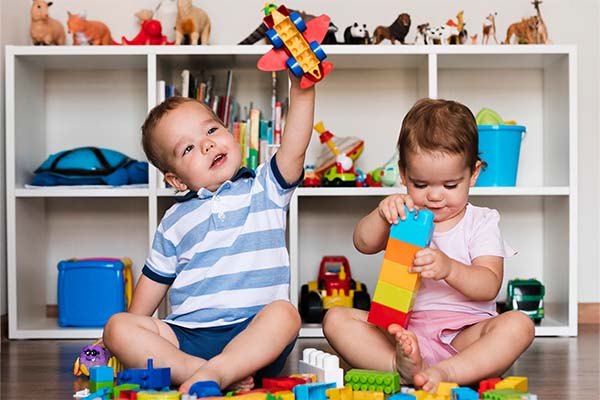
Children learn best by observing their parents and caregivers. When they see adults sharing food, household items, or responsibilities, they are more likely to follow suit. During playtime, parents can actively demonstrate sharing by taking turns with magnetic toys or playing together with magnet building toys.
2. Use Positive Reinforcement
Praise and encouragement go a long way in reinforcing good behavior. When a child shares their kid magnet toys with a friend, acknowledge their effort with kind words like, “That was so nice of you to let your friend play with your toys!” This reinforces the behavior and motivates them to do it again.
3. Set Clear Expectations
Before playdates or group activities, explain the importance of sharing. Let children know that everyone gets a turn with the toys and that taking turns makes playtime more enjoyable. Magnetic learning toys are excellent for this, as they encourage teamwork and make sharing a natural part of the activity.
4. Introduce Turn-Taking Games
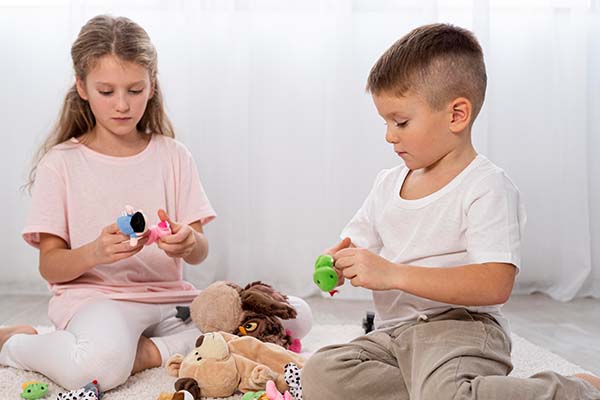
Structured activities that require turn-taking can help children practice sharing. Games involving magnet play or building together with stem magnets encourage kids to take turns while working towards a common goal. This helps them see sharing as a fun and positive experience.
5. Provide Plenty of Shared Play Opportunities
Encouraging children to play with siblings or friends regularly helps them become more comfortable with sharing. Toys like the best STEM toys foster cooperative play, as kids work together to build creative structures. Over time, they will see the value of collaboration and be more willing to share.
6. Teach Problem-Solving Skills
Conflicts over toys are bound to happen, but instead of stepping in immediately, guide your child in resolving the situation. Ask them questions like, “How can we make sure both of you get a turn?” Encouraging problem-solving helps them develop social skills and handle sharing challenges independently.
7. Create a “Sharing Bin”
Designate a selection of toys that are meant to be shared during playdates. This helps children mentally prepare for sharing while still allowing them to keep a few personal favorites separate. Including magnetic blocks in the sharing bin can make group play even more engaging.
The Role of Magnetic Toys in Teaching Sharing
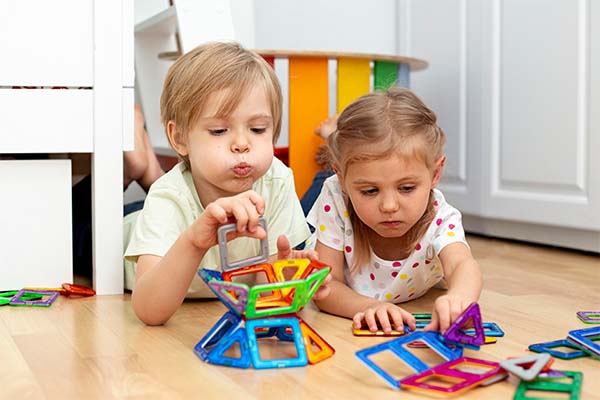
Magnetic toys are especially effective for encouraging cooperation among children. Because they involve assembling different pieces to create structures, they naturally promote teamwork. When kids build together with magnet building toys, they learn to negotiate turns, communicate ideas, and appreciate the joy of working as a team. Gentle parenting encourages empathy and understanding, helping children learn to share toys through positive reinforcement and respectful communication.
Overcoming Common Sharing Challenges
Even with these strategies, children may still struggle with sharing from time to time. If a child refuses to share, remain patient and remind them why sharing is important. You can also introduce the concept of “trading” by suggesting they let a friend play with one of their toys in exchange for another toy.
Additionally, if a child is particularly attached to a toy, respect their feelings by allowing them to put it away during group play. This helps prevent unnecessary frustration and gives them a sense of control over their belongings.
Final Thoughts

Teaching children to share is an ongoing process that requires patience, encouragement, and practice. By incorporating strategies like positive reinforcement, turn-taking games, and magnetic learning toys, parents can help their children develop strong social skills. Sharing toys not only helps children develop social skills but also strengthens their bond with parents through interactive play and positive reinforcement.
Through fun and engaging activities, kids can learn that sharing makes playtime more enjoyable for everyone. And as they grow, these lessons will help them build positive relationships and navigate social situations with confidence.
Shop the best selection of educational and interactive toys at Toyscentral.