
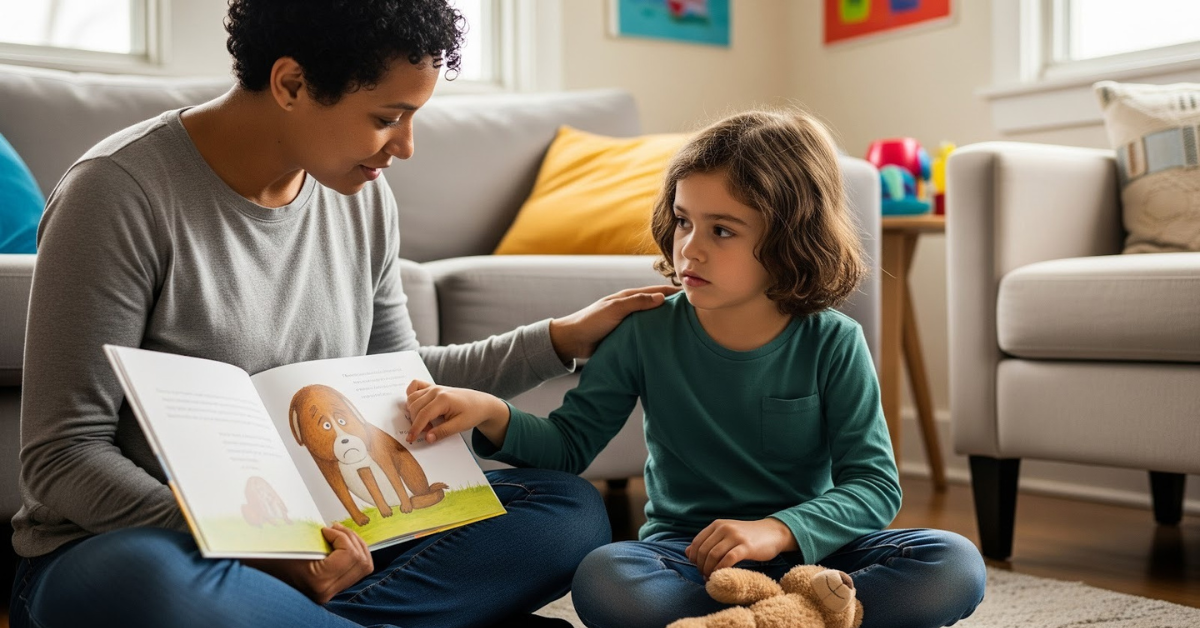
From the moment they are born, children start their journey of learning how to express, and manage their feelings. But what is social emotional development, and why is it so important for your child? Simply put, it is how children can learn to understand their emotions and the emotions of people around them.
Emotional growth is the starting point to holistic growth. By focusing on social and emotional development, we teach kids how they can navigate the highs and lows of life with confidence.
The Foundation
The journey starts a lot sooner than most people seem to realize. Social developments in infants start as soon as they start interacting with the world around them. When a parent soothes a crying child, they are teaching the infant that their needs matter.
You might notice them making exaggerated faces of joy, surprise, or distress. These are their first attempts at understanding their own emotions. As they grow, emotional development in early childhood becomes more structured.

Why is Child Development Important?
Parents often ask, “why is child development important?”, especially when it comes to emotional growth. Children who understand their feelings are less likely to struggle with anxiety, more likely to perform well in school, and form comparatively healthier relationships.
When it comes to emotional development in toddlers, we need to remember they experience big emotions but don’t know how to verbalise them. By teaching them how they can name their feelings, you can help them communicate without feeling frustrated.
Understanding and Building Social Emotional Skills
So, what are social emotional skills? They are things you can teach your child to help them interact with the world around them and the world inside them better. They include:
- Self-awareness (identifying what they are feeling)
- Self-regulation (calming down when things don’t go their way)
- Empathy (understanding how a friend feels)
- Relationship skills (sharing and taking turns)
Developing these social emotional skills help them feel calmer and in control of their feelings. When a child knows how to process a “no” or a “not right now,” they are learning the skills they will need to handle workplace stress or personal challenges twenty years down the line.
Nurturing Emotional Growth Through Play
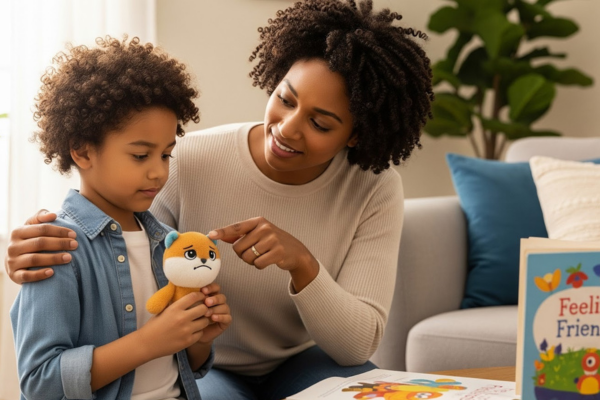
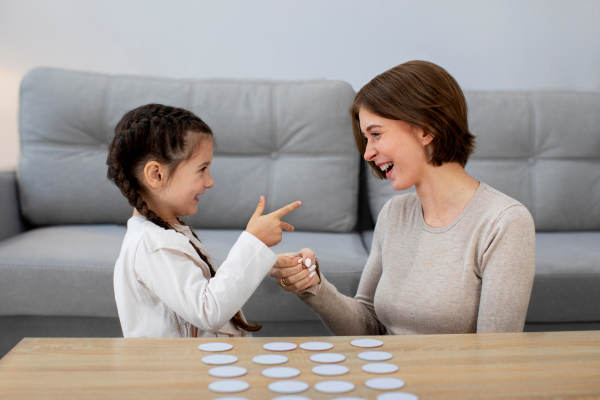
Play is a great way to help nurture emotional development. Because children don’t know the words to describe complex internal states, toys become their language.
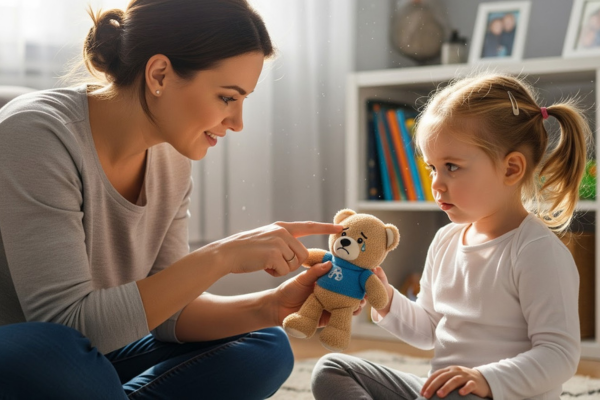
Using tools like emotion cards, feeling charts, or even simple dolls can help children role-play different scenarios. This makes the abstract concept of social-emotional development tangible.
Long-Term Benefits of Emotional Intelligence
Focusing on emotional development isn’t about raising a child who is always happy; it’s about raising a child who knows what to do when they are not happy. Whether it is emotional development in toddlers learning to share or older children learning to resolve conflicts, these milestones are just as important as learning how to walk or read.
Conclusion
Understanding the importance of emotional development in children allows parents to understand their kids and support their emotional growth from an early age. Social-emotional development is not just about preventing “bad behaviour”; it’s about shaping your child’s thought process to assist holistic development.
If you’re looking for more great tips, tricks, and products to help your child’s social and emotional development, feel free to visit our site at ToysCentral today.