
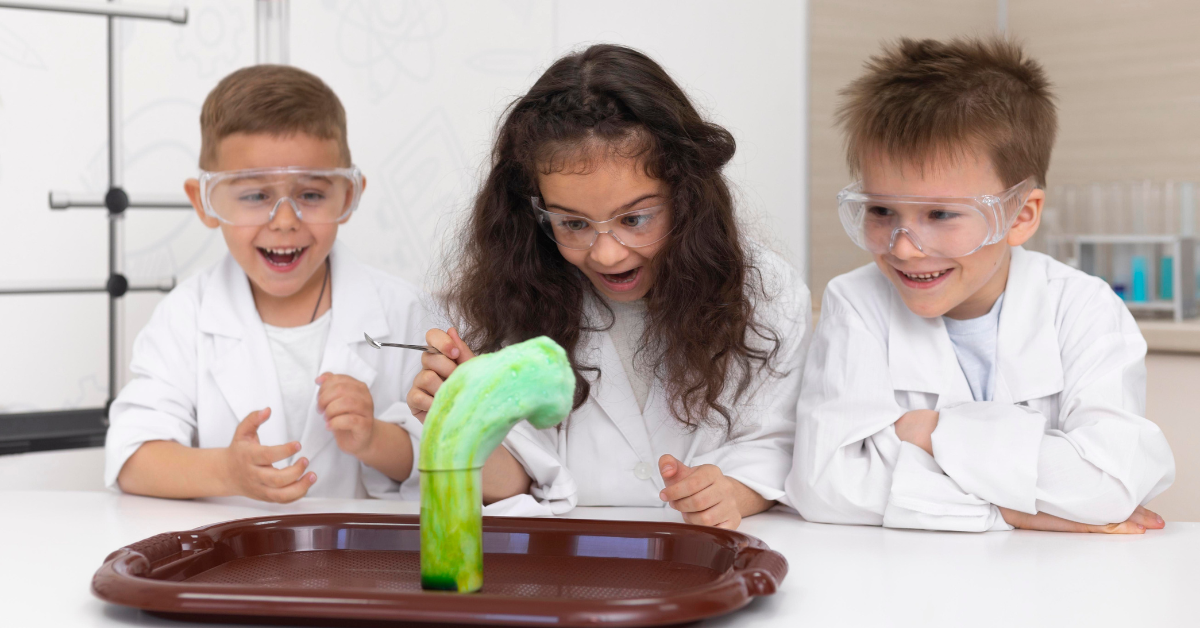
The spark of wonder in a child’s eyes when they see a chemical reaction or a sprouting seed is the beginning of a lifelong journey of discovery. Much like establishing healthy physical habits, engaging in science activities for preschoolers creates the mental architecture for critical thinking and problem-solving. By introducing science activities for kids early on, parents and educators transform the world into a living laboratory where curiosity is the greatest tool for growth.
Establishing a routine of exploration is one of the most impactful activities for preschoolers. These moments of “doing” rather than just “seeing” help children understand the “why” behind the natural world. Whether through a formal preschool science experiment or an afternoon of scientific crafts for kids, you are building neural pathways that support logic, observation, and cognitive development.
Nurturing the Scientific Mind through Play
In the early years, a child’s education is driven by sensory exploration. Toddler science experiments often start with the simplest materials—water, sand, or magnets. These aren’t just games; they are foundational science experiments for kids that introduce complex concepts like buoyancy, gravity, and magnetism. When we prioritize these interactions, we foster a “scientific temperament” where every result is a valuable piece of information.
For science activities for 4-year-olds, the focus shifts toward prediction and observation. Asking a child, “What do you think will happen if we add vinegar to this baking soda?” turns a simple kitchen moment into a high-value preschool science activity. These easy science experiments empower children to take the lead, turning them from passive observers into active investigators. Toy lab kits and science activity kits can also help here.

Classic Science Projects for Kids to Try at Home
Creating a “science habit” doesn’t require expensive laboratory equipment. Some of the most effective science projects for kids use everyday household items to demonstrate fundamental laws of physics and chemistry.
- The Magic Milk Experiment: Using milk, food coloring, and a drop of dish soap, children can watch “dancing colors.” This is a perfect preschool science experiment to explain surface tension and molecular movement.
- Sink or Float: A staple in toddler science experiments, this involves a tub of water and various household objects. It encourages children to categorize and predict—essential precursors to formal math.
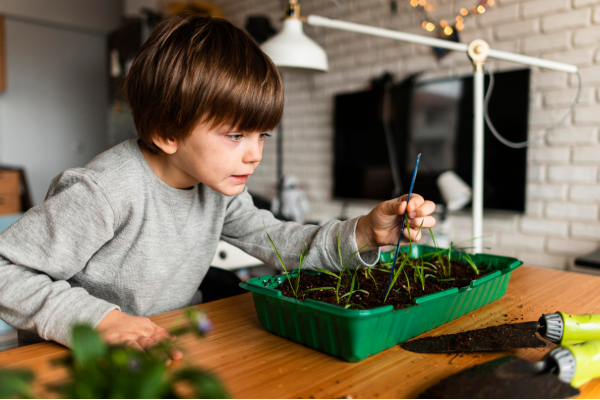
- Growing Bean Seeds: Among the best science activities for kids, watching a bean sprout in a clear jar or plastic bag illustrates the life cycle of plants in real-time.
Building Skills through Scientific Crafts
Science and art often overlap, especially in scientific crafts for kids. These activities allow children to build something tangible while learning a technical concept. For example, creating a “weather station” using paper plates and arrows to track wind and sun is an excellent preschool science activity. It teaches children to observe environmental patterns, a skill vital for biological studies.
Furthermore, science activities for preschoolers that involve building, such as constructing bridges from marshmallows and toothpicks or construction toys, introduce basic engineering. These science projects for kids develop fine motor skills alongside spatial awareness, proving that the best learning happens when the hands and the mind work together.
The Role of the Parent and Educator
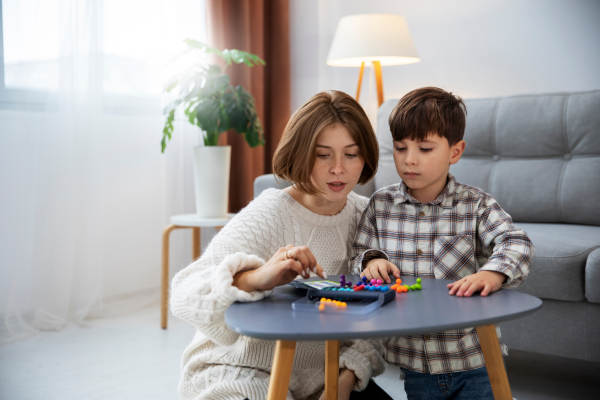
The adult’s role in science activities for kids is to be a co-explorer rather than a lecturer. Encouraging “serve and return” communication during an easy science experiment builds a child’s vocabulary and confidence. When a preschooler asks a question you don’t know the answer to, responding with “Let’s find out together!” models a healthy, lifelong love for learning. Using flashcards, picture books, and science toys can also help you explain concepts better.
Just as a secure attachment is the bedrock of emotional health, a supportive environment for exploration is the foundation of intellectual health. Remember, preschoolers are naturally inquisitive; they pick up on the curiosity and enthusiasm of the adults around them.
Conclusion: A Foundation for Future Discovery
Fostering a love for science is a marathon, not a sprint. By consistently integrating science activities for preschoolers into your weekly routine, you are providing a roadmap for intellectual wellness. These science projects for kids serve as the building blocks for future academic success and the ability to navigate a complex, tech-driven world.
For more play essentials and kits designed to make easy science experiments accessible and fun, explore our collection at ToysCentral today.