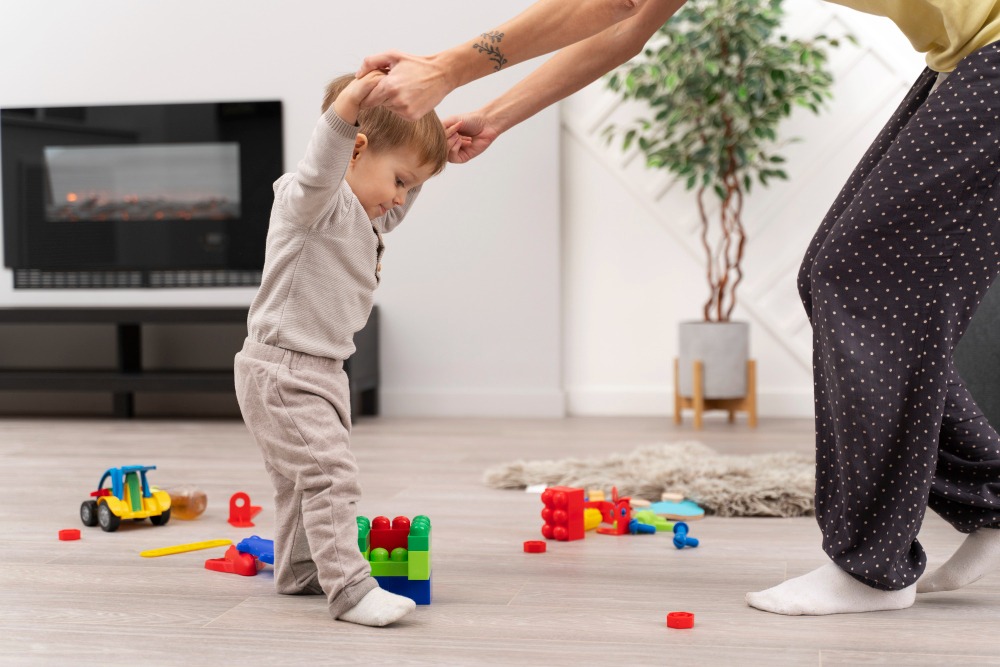
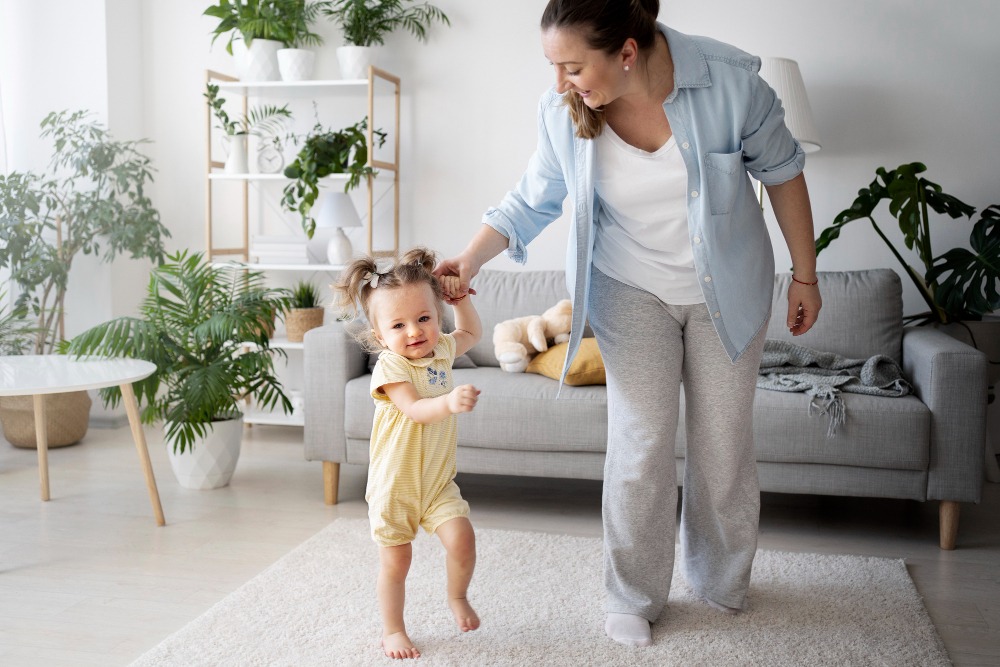
The arrival of a new family member brings a whirlwind of joy, and for first-time parents, it also brings a significant shift in lifestyle. Establishing a foundation of health from the very beginning is one of the greatest gifts you can give your child. By focusing on infant development and positive family habits, you create an environment where both you and your baby can thrive.
What are family habits? Essentially, they are the repetitive behaviors and routines that define your daily life. When these are rooted in wellness, they become the invisible architecture that supports physical health and emotional security. Learning how to integrate healthy habits for kids while they are still in the cradle ensures that wellness becomes a natural part of their world.
Prioritizing Nutrition and Developmental Growth
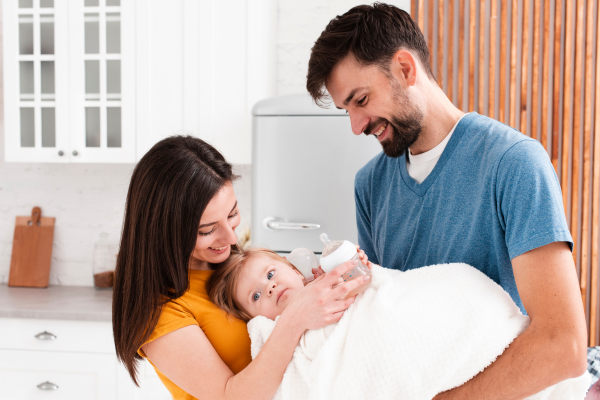
In the early months, infant development is rapid and requires substantial energy. For infants, nutrition is the cornerstone of growth. Whether breastfeeding or using formula, maintaining a consistent feeding schedule helps regulate a baby’s internal clock. As your child transitions to solids, introducing a variety of whole foods early on encourages good habits for kids regarding their palate and future relationship with food.
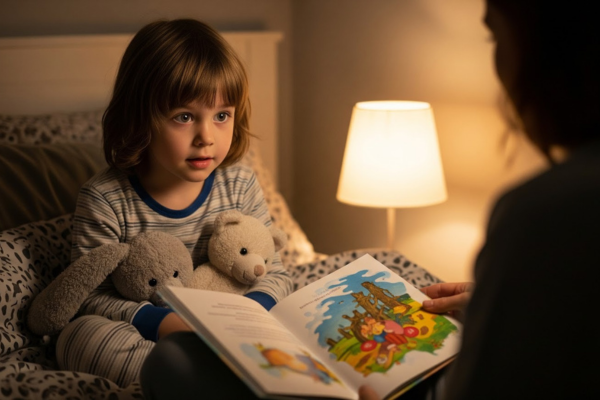
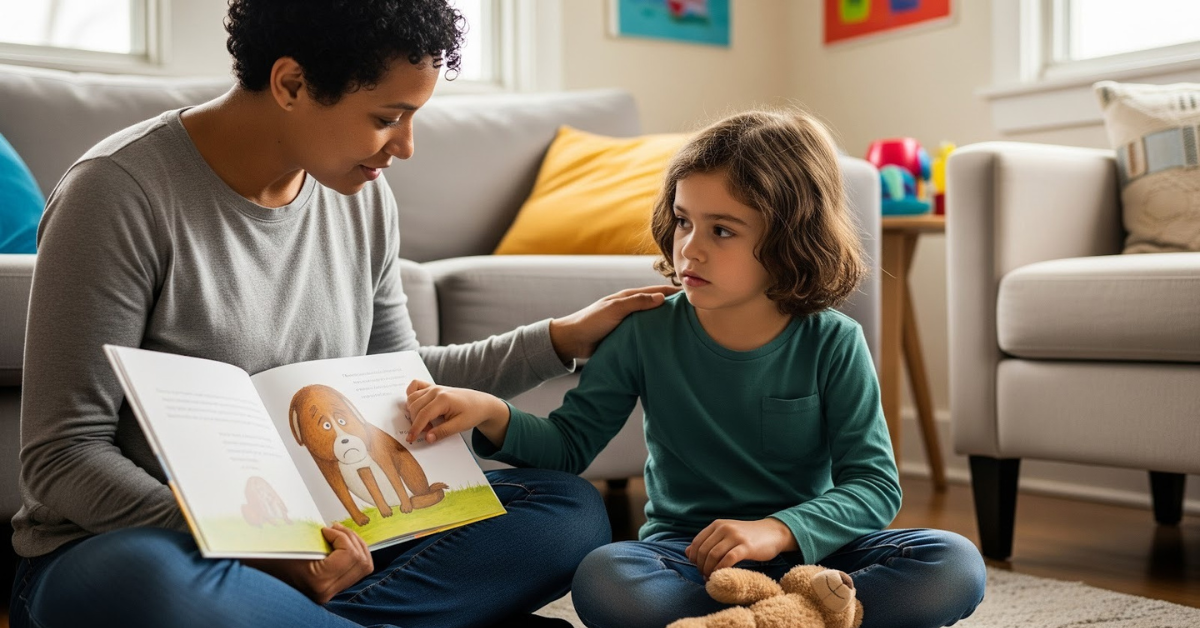
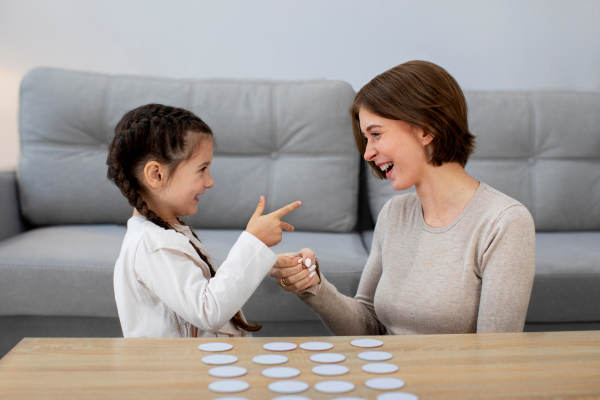
Beyond nutrition, infants’ education starts with sensory play. Look for high-contrast flashcards or soft fabric books. These are perfect healthy habits for kids to develop a love for “reading” and visual tracking from just a few weeks old. These activities don’t just pass the time; they build neural pathways that support cognitive and motor skills. When parents prioritize these interactions, they are actively participating in the most critical stages of early learning.
Establishing a Consistent Sleep Architecture
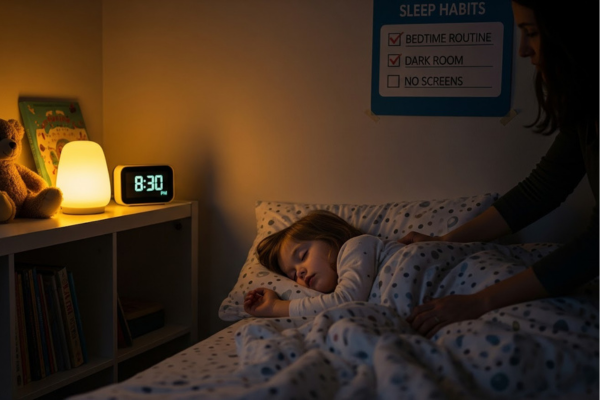
Sleep is a fundamental pillar of health for both parents and babies. For first-time parents, sleep deprivation is often the biggest challenge. Creating a soothing bedtime routine is a classic example of how to implement good habits for kids from day one. A predictable sequence—perhaps a warm bath, a gentle massage, and a lullaby—signals to the infant’s developing brain that it is time to rest.
Healthy family habits regarding sleep also apply to the adults in the house. While it is tempting to catch up on chores while the baby sleeps, prioritizing your own rest is vital for maintaining the patience and energy required for childcare. A well-rested parent is better equipped to handle the emotional demands of a growing infant, creating a more harmonious home environment.

The Role of Physical Activity in the Family Unit
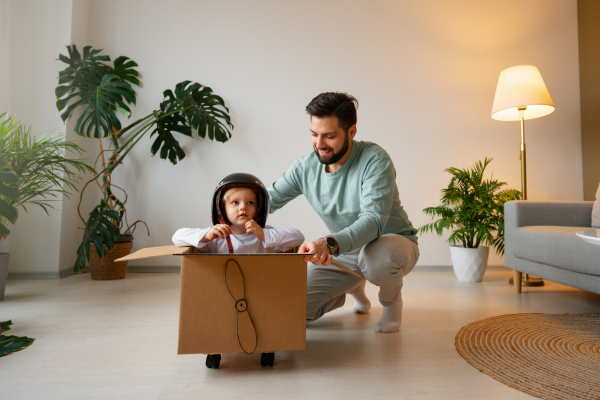
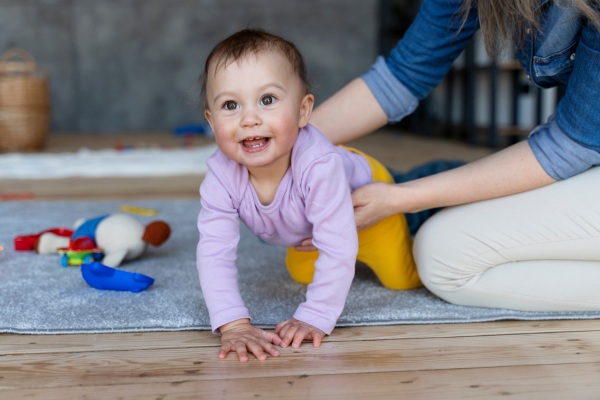
Incorporating movement is a key part of designing healthy habits for kids. For babies, this means plenty of floor time where they can kick, roll, and eventually crawl. These movements are essential for muscle development and coordination. Tummy-time water mats and infant activity gyms are easy, fun ways to add some activity.
Taking daily walks with the baby in a carrier or stroller is a simple way to incorporate physical activity into your family’s habits. Fresh air and sunlight provide a natural mood boost for parents and help regulate the baby’s circadian rhythm. This shared activity fosters a bond between parent and child while emphasizing that movement is a joyful and daily part of life.
Fostering Emotional Intelligence and Connection
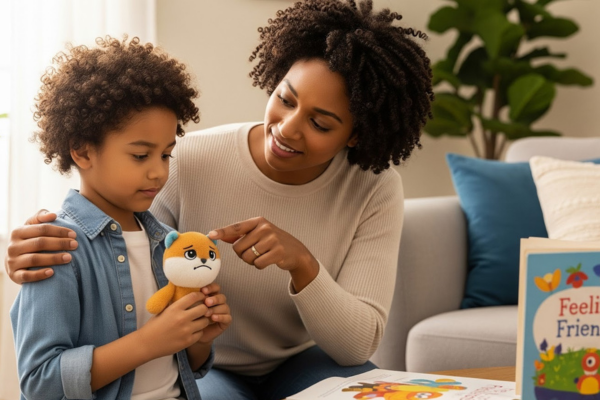
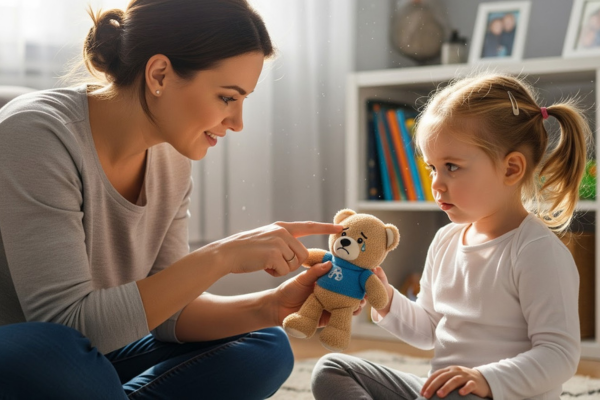
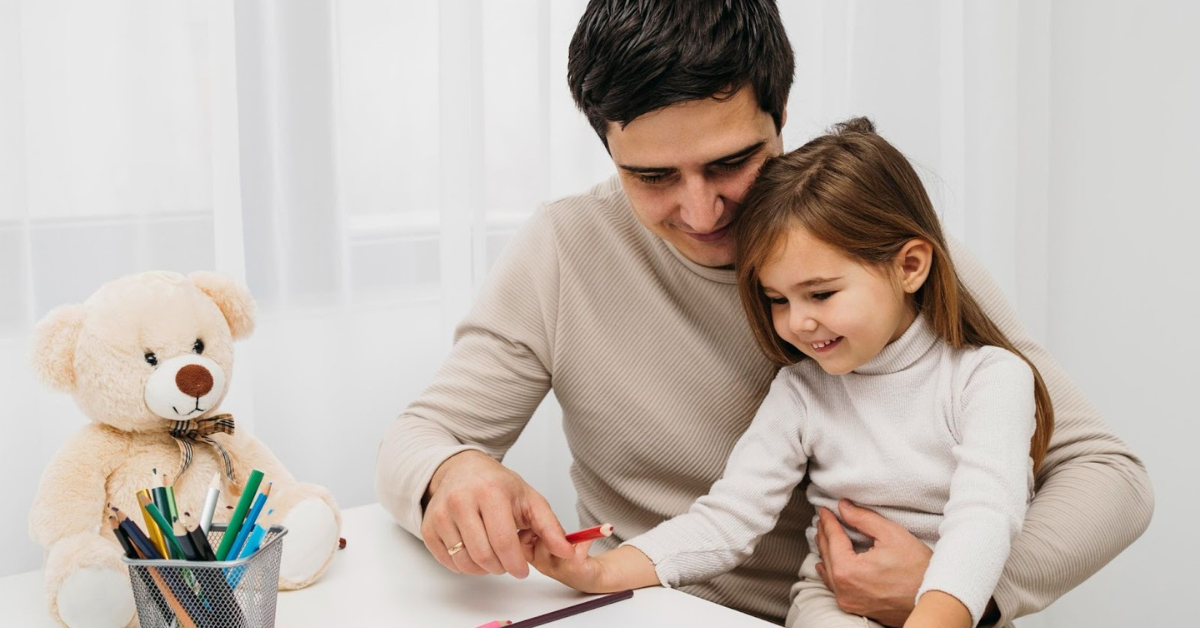
Emotional health is just as important as physical wellness. Infants’ education includes learning how to process emotions and interact with others. Responding promptly to a baby’s cries and engaging in “serve and return” communication, where you respond to their babbles with words and facial expressions, builds a secure attachment.
This security is the bedrock of infant development. When a child feels safe, they are more willing to explore and learn. Practicing mindfulness and stress-management as a parent ensures that the energy you bring into these interactions is calm and supportive. Remember, babies are like sponges; they pick up on the emotional habits of the adults around them.

Conclusion: Building a Foundation for the Future
Building a healthy lifestyle is a marathon, not a sprint. For first-time parents, the key is to start small and be consistent. By focusing on nutrition, sleep, movement, and emotional connection, you are answering the question of what family habits with a resounding commitment to wellness. These healthy habits for kids will serve as a roadmap as they grow from infants into toddlers and beyond.
For more play essentials and items designed to make incorporating these healthy habits into your life easier, explore our collection at ToysCentral today.