How to Donate Old Toys: Do’s, Don’ts, and Giving with Purpose

Children outgrow their toys quickly. As closets fill with unused items, many parents wonder what to do with old toys. Rather than throwing them away, a more thoughtful choice is to donate old toys. It gives those items a second life and brings joy to other children who may not have access to toys of their own.


Whether it’s the best board games, educational kits, or toys for autistic children, every toy can make a difference when placed in the right hands. However, donating toys isn’t as simple as packing a box and dropping it off. There are guidelines to follow, including safety, hygiene, and appropriate types of toys. Knowing how to donate old toys the right way ensures your generous act brings real value to its next owner.

Why It’s Important to Donate Old Toys Responsibly

Donating toys can teach children the value of generosity, empathy, and sustainability. It reduces waste and helps families in need. Many community centers, shelters, and hospitals rely on donated toys to support child development and emotional care. Whether you’re giving away puzzles or the best board games, you’re helping enrich another child’s world.

But not all toys are fit for donation. Some might be damaged, unsafe, or too worn out. That’s why understanding how to donate old toys properly is essential. It ensures safety, usefulness, and dignity for the recipient.

Do’s of Donating Toys
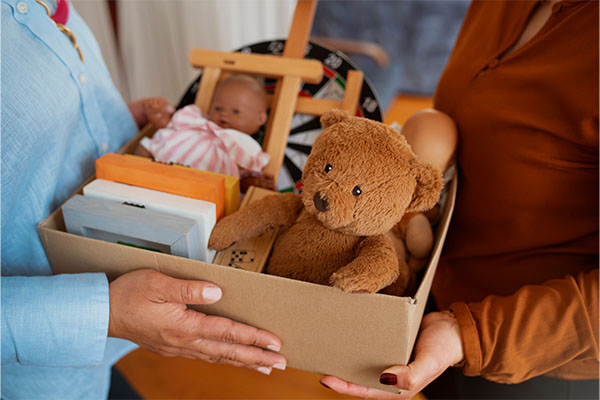
Two women, one handing a small item to the other, representing the act to donate old toys.

Do Inspect for Damage

Before you donate old toys, check for missing parts, broken pieces, or wear that affects functionality. Toys that are chipped, cracked, or torn may pose a safety risk. Only donate toys that are clean, intact, and safe to use.

Do Clean Thoroughly

All toys should be washed or wiped down before donating. Plastic toys can be disinfected with mild soap and water. Fabric items like stuffed animals should be machine-washable and freshly laundered. Cleanliness is a major part of donating toys responsibly.

Do Check for Recalls

It’s important to verify that the toys haven’t been recalled for safety reasons. You can check online databases to confirm if any old toys you plan to donate are listed. This ensures you’re not unintentionally passing along a hazard.

Do Include Educational or Therapeutic Toys

Organizations often seek toys for autistic children and those with developmental delays. Items that encourage communication, sensory play, or focus are especially appreciated. Donating such toys makes a lasting impact.

Educational games, books, puzzles, and the best board games are excellent donation choices. These items promote skill-building and interaction.

Do Choose the Right Place to Donate

Choose organizations that align with your goals. Local shelters, hospitals, preschools, and nonprofits often accept toy donations. Some focus on specific groups such as children with special needs, making it easier to place toys for autistic children where they’re needed most.

Don’ts of Donating Toys
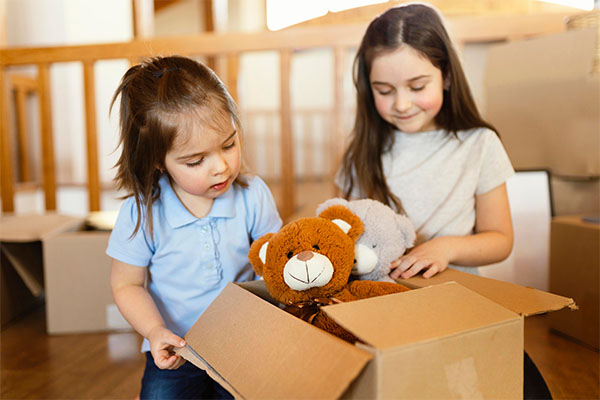
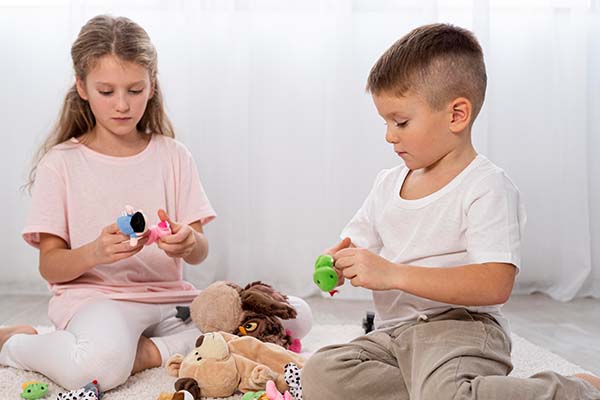
Two young girls happily playing with various toys on the floor, showcasing the joy and engagement toys bring

Don’t Donate Dirty or Damaged Items

Used toys must be in good condition. Broken items can be dangerous, and dirty toys spread germs. Avoid donating anything you wouldn’t feel comfortable giving your own child.

Don’t Donate Used Plush Toys Without Checking Policies

Some donation centers do not accept stuffed animals due to hygiene concerns. Before you donate old toys like teddy bears or plush figures, confirm that the organization accepts them and has proper sanitation standards.

Don’t Include Toys with Batteries or Electronics Unless Working

Battery-operated or electronic toys should be fully functional. If the toy is not working or missing parts, replace them or discard the item. Toys that light up, move, or talk are especially popular—but only when they work safely.

Don’t Donate Toys with Small, Loose Pieces to Young Children’s Programs

Toys with choking hazards should be reserved for programs that cater to older children. Always check the age guidelines for each toy before deciding where to send them.

Making a Big Impact with Small Actions
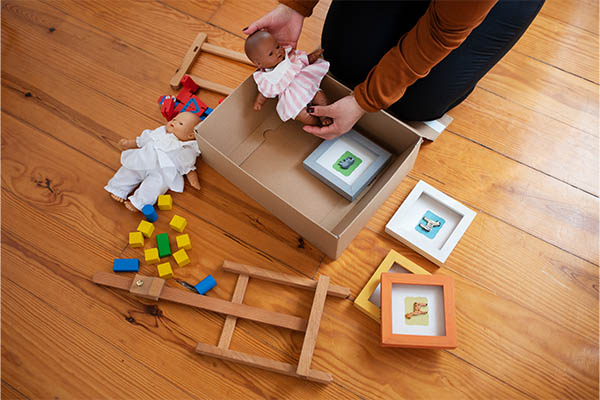
Donate old toys

Many parents wonder what to do with old toys that are no longer used but still in great condition. Donating is a rewarding and responsible choice. With a bit of effort, your used toys can spark creativity, joy, and learning in another child.

It’s a great opportunity to involve your kids in the process. Let them help choose what to donate. Explain why giving back matters. It teaches compassion and reduces clutter in your home. Children learn that their old toys can become someone else’s new favorite.

You can even organize a toy drive in your neighborhood. Encourage others to donate old toys by creating drop-off points or sharing local donation center details. This builds a stronger community and creates a cycle of giving.

A Thoughtful Way to Give and Grow

Learning how to donate old toys properly turns a simple act of giving into something more meaningful. From best board games to toys for autistic children, your donations have the power to make another child smile, learn, and grow. Donating toys not only clears space in your home but also fills hearts across your community.

By following these do’s and don’ts, you ensure that your gift brings happiness and safety to others. It’s a chance to teach your children the importance of kindness, sustainability, and gratitude.

Ready to sort through your toy box and make a difference? Visit ToysCentral to discover more tips, inspiration, and support for giving toys a second life.
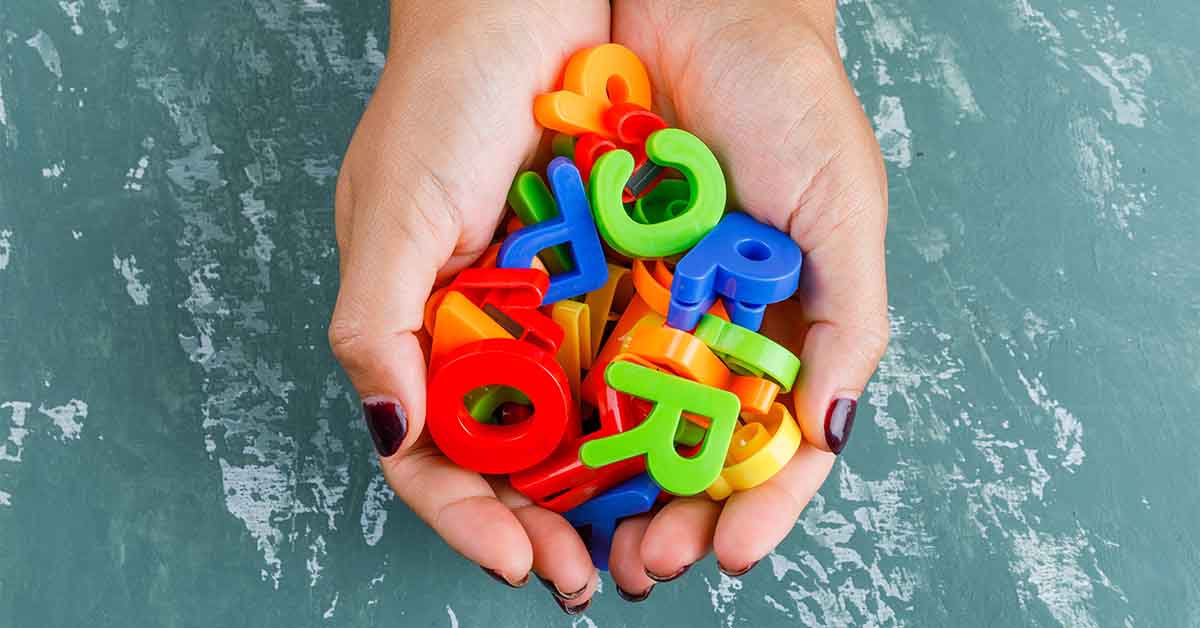
Toys Recommended by Experts for Speech Therapy Success

When it comes to building early communication skills, the right toys can make a world of difference. Speech therapy supports toddlers in developing language, vocabulary, and expression in ways that are both structured and fun. For parents and caregivers, choosing toys that complement these goals is an essential step in nurturing a child’s speech development.

Speech therapy uses play as a foundation for learning, especially during early childhood. Interactive, imaginative, and tactile toys are ideal for encouraging toddlers to express themselves, learn new words, and follow directions. With speech therapy for toddlers becoming more common, parents often ask what toys will be most helpful. Whether you’re seeking support for speech therapy for a 2 year old or looking for ways to enrich your child’s verbal skills, choosing toys designed with speech development in mind is a smart move.

How Toys Help Support Speech Therapy Goals

Encouraging Toddler Speech Development Through Play

Toys serve as excellent tools for encouraging speech in young children. Speech therapy relies heavily on activities that feel natural and engaging. By using everyday play, therapists create opportunities for toddlers to name objects, describe actions, and communicate needs. The right toys can make these moments more frequent and effective.

Simple items like stacking toys can do wonders for toddler speech development. When children stack, they learn to use words such as “up,” “down,” “more,” or even count numbers out loud. These repetitive actions paired with consistent vocabulary build connections between play and language use.

Best Toys for Language Development at Home

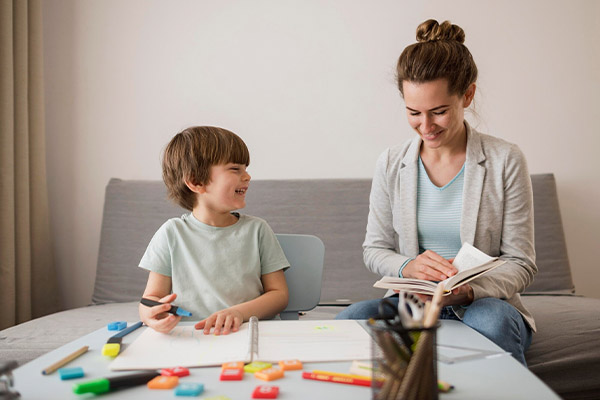
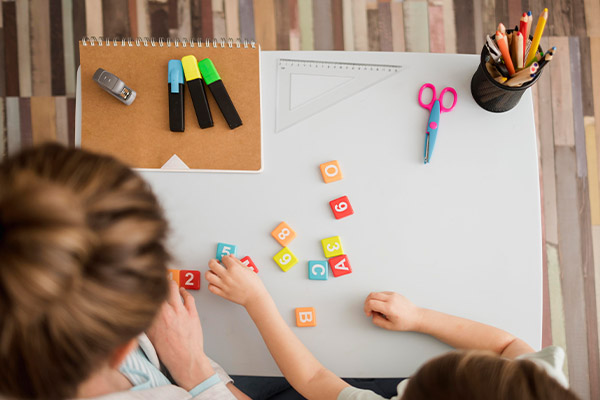
child and tutor learning about numbers and letters

There is a wide range of toys that speech therapists recommend for home use. These items are easy to introduce and require little preparation. They help encourage a child’s language by fostering creativity, turn-taking, and verbal interaction.

Some of the best toys for language development include pretend play items such as kitchen sets, animal figures, or doctor kits. These encourage toddlers to act out scenes, name objects, and describe scenarios. Dolls, cars, and action figures are also useful for storytelling and role play, helping children create sentences and expand their vocabulary.

Books with flaps or textures, musical instruments, and stacking toys also rank high among speech therapy toys. These products support verbal expression, listening skills, and interaction, making them a staple in speech therapy for 2 year old toddlers.

Classic Toys Still Make a Big Impact

While there are many modern gadgets and educational devices on the market, classic toy options remain incredibly effective for toddler speech development. Building blocks, shape sorters, and stacking rings offer open-ended play. They encourage children to ask for pieces, name colors and shapes, and follow simple commands.

Classic toy choices are versatile, long-lasting, and often require the child to communicate their thoughts or needs to others during play. This makes them perfect for practicing verbal skills in a relaxed setting. Additionally, these toys promote motor coordination, which is linked to better cognitive development.

Best Toys for Speech Therapy According to Therapists

Speech therapists agree that some toys are particularly effective during therapy sessions. For example, interactive books allow toddlers to point to pictures, listen to stories, and repeat words. Puppets are another favorite—they provide visual cues and invite children to speak through playful interaction.

Other recommended speech therapy toys include simple puzzles with animal or object shapes. These allow toddlers to label and describe what they see. Sensory bins, magnetic boards with letters, and picture cards also make regular appearances in therapy. These tools focus on both receptive and expressive language, helping kids understand and use words in context.

It’s also important to remember that toddlers respond best to toys that match their interests. Choosing toys based on what a child already enjoys—whether it’s cars, animals, or food—makes speech therapy more relatable and engaging.

Making Smart Toy Choices for Language Growth

child being tutored at home by woman using speech therapy toys

Every parent wants to give their child the best start possible. Understanding which toys promote speech development can go a long way in supporting this goal. Instead of focusing only on educational value, look for toys that encourage interaction, pretend play, and repetition. These are the key ingredients for successful speech therapy at home.

Start by adding a few high-quality stacking toys to your child’s collection. These encourage hand-eye coordination, attention, and word use during play. Add a few speech therapy toys like puzzles, puppets, and pretend sets that stimulate dialogue and storytelling.

Also, engage in play with your toddler. Use clear and simple language, label objects frequently, and ask open-ended questions. These habits reinforce what they learn during speech therapy for toddlers and help make new words stick.

Speech therapy is most effective when play and learning go hand in hand. Using toys recommended by therapists allows you to turn everyday moments into powerful language lessons. Whether you’re starting early with speech therapy for a 2 year old or just supporting language milestones, these tools make the journey easier and more enjoyable.

Explore a thoughtfully curated collection of the best toys for speech therapy, toddler language development, and early learning at ToysCentral. Give your child the tools to speak with confidence and joy through play.

Unlocking Creativity and Learning: Benefits of a Toy Library

Toys serve as important tools for childhood learning and growth. One of the most effective ways to encourage meaningful play while saving space and money is through a toy library. Much like a traditional library, it allows families to borrow a variety of play items including educational toys, sensory items, and themed sets.

This model keeps children engaged by offering fresh options regularly. It also helps parents support their child’s development without overstocking the home with items that lose novelty over time. Whether it’s a train set or a dollhouse, these borrowed playthings encourage active learning and imaginative exploration.

Why Every Family Should Explore a Toy Library

A Budget-Friendly Solution for Smart Play

Toy costs can quickly add up, especially as children move through different growth stages. A toy library offers access to high-quality toys without the full purchase price. Parents can borrow items like wooden train sets or baby sensory toys for a fraction of the cost of owning them.

This approach also allows families to experiment with a wide variety of toys. Instead of investing in expensive items that might only hold a child’s interest briefly, you can rotate through options based on your child’s interests and developmental needs.

Encourages Developmental Growth

A kid playing with sensory toys

Toys are not just about play—they’re about growth. Sensory items help infants understand new textures, sounds, and visual cues. A toy library provides access to a range of baby sensory toys that stimulate early cognitive and motor development.

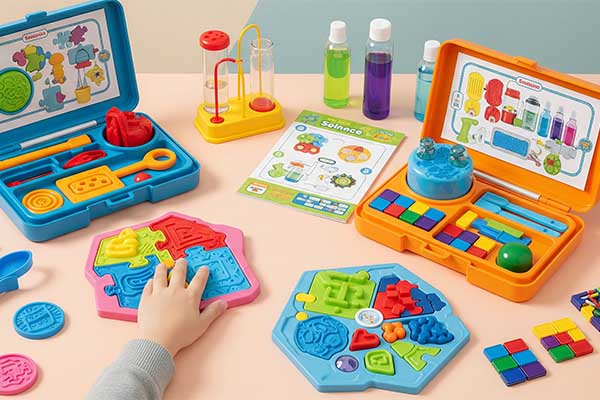
Older kids benefit from puzzles, science kits, and educational board games. These items promote problem-solving, spatial reasoning, and communication skills. With constant access to learning tools and toys , kids grow intellectually while having fun.

Reduces Waste and Promotes Sustainability

Modern parenting often comes with toy clutter. A toy library combats this issue by promoting reuse. Instead of buying toys that get discarded, you borrow them for a limited time and return them when your child moves on.

This system cuts down on waste and supports a cleaner environment. Borrowing instead of buying minimizes the number of unused toys that end up in landfills, creating a more sustainable approach to parenting.

The Learning Benefits of a Toy Library

Access to a Diverse Toy Collection

Children need a range of experiences to develop fully. A toy library offers an expansive variety of options—from simple blocks and puzzles to advanced STEM kits and pretend play items like dollhouses.

This variety ensures that children stay interested in play and are constantly exposed to new challenges. Exposure to a wide selection of educational toys and games helps build essential skills without the need for constant new purchases.

Builds Social Skills and Sharing Habits

A toy library teaches kids more than just how to play. Borrowing toys fosters responsibility and respect for shared resources. Children learn to treat items with care, understanding that others will also be using them.

This process builds character and encourages good habits early in life. By learning to share and take responsibility, children grow into thoughtful and considerate individuals.
Ideal for Special Needs and Early Intervention

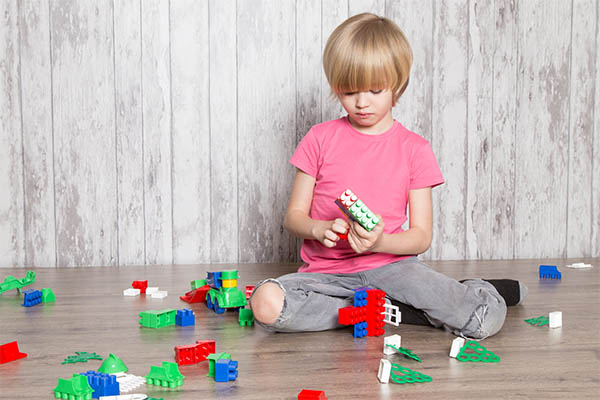
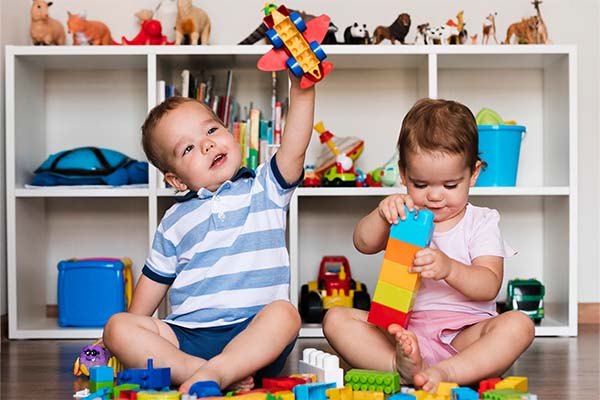
A boy is playing with lego

Every child is different, and some need more specialized support during play. A toy library often offers items specifically designed for developmental challenges. Sensory toys and structured learning tools can assist in early intervention and therapy.

Parents can try out different toys to determine which ones work best for their child. This flexibility makes it easier to create a customized learning environment without the high cost of specialized toys.

Making the Most of a Toy Library Membership

Parents can make the most of a toy library by being intentional about their selections. Take time to choose toys that align with your child’s current interests and development level. Options like dollhouses, train sets, and learning kits are great choices that encourage both creativity and cognitive growth.

Rotate the toys every few weeks to keep playtime exciting. Use this opportunity to observe which toys your child gravitates toward. Over time, this will help you better understand their learning style and preferences.

The Smart Choice for Playful Parenting

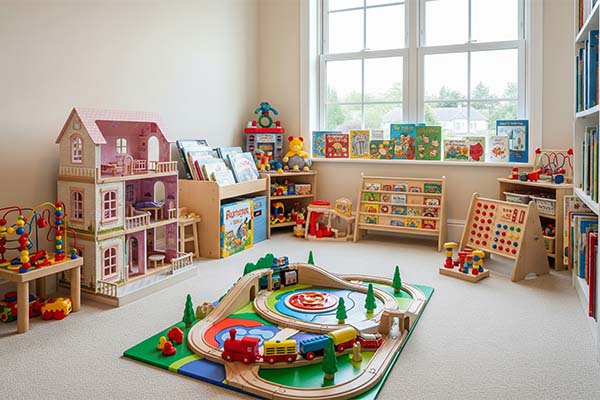
A beautiful Toy Library in home

A toy library offers much more than just entertainment. It opens doors to continuous learning, creativity, and growth without overwhelming your home or your budget. With items ranging from wooden train sets to sensory toys, there’s something to support every stage of childhood development.

This system is not only cost-effective and clutter-free, but also environmentally responsible. It allows families to embrace meaningful play without overconsumption. Plus, it fosters decision-making skills in kids as they choose which toys to explore next. It encourages curiosity, helps parents avoid toy fatigue, and ensures that children remain engaged and challenged through every phase of development.

Visit ToysCentral today and explore how a toy library can enhance your child’s development while making parenting simpler and smarter.

Must-Have Baby Products for New Parents

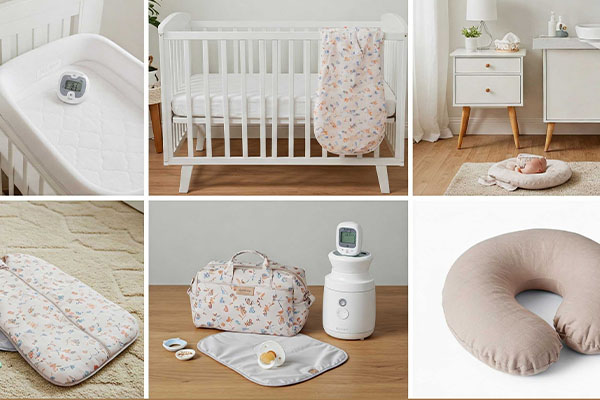
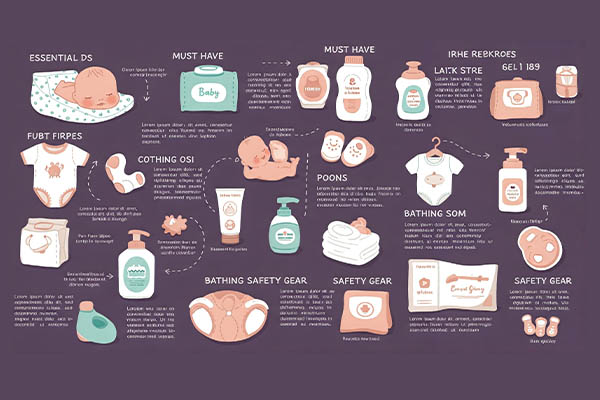
Welcoming a newborn into the family is a life-changing experience filled with joy—and a long checklist. With so many baby items on the market, it’s easy for new parents to feel overwhelmed. From daily care to feeding support, having the right baby essentials can make your parenting journey much smoother. Here’s a practical list of newborn must haves that covers everything from baby wardrobe basics to helpful accessories.

1. Baby Wardrobe Staples

Building a baby wardrobe might seem like a fun task, but it needs thoughtful planning. Look for soft, breathable clothing suitable for your climate—onesies, sleepwear, mittens, and caps are all newborn essentials. Opt for fabrics that are gentle on sensitive skin and easy to wash. Don’t forget socks, burp cloths, and swaddle blankets to keep your little one warm and comfortable.

2. Breastfeeding Pillow for Feeding Comfort

A breastfeeding pillow is more than just a comfort item—it’s a back and arm saver for moms. These specially designed pillows help position the baby correctly for easier latching and less strain during long feeding sessions. Whether you’re breastfeeding or bottle-feeding, this is one of those must have baby items that make feeding more relaxed and ergonomic.

3. Baby First Aid Kit for Emergencies

New parents should always be prepared for small emergencies. A baby first aid kit is a compact, ready-to-go solution that includes essentials like a digital thermometer, nasal aspirator, baby nail clippers, and antiseptic wipes. Keep one in your nursery and another in your diaper bag for added peace of mind.

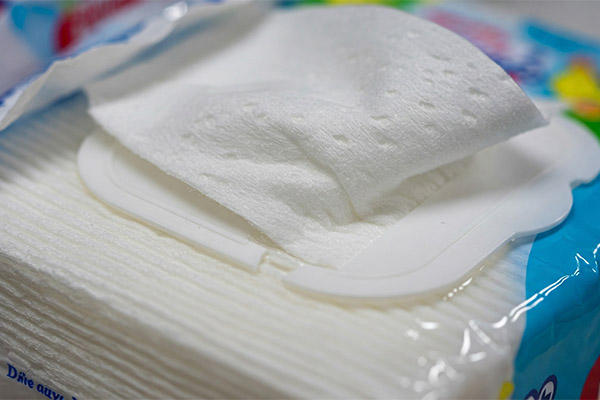
4. Disposable Washcloths for On-the-Go Hygiene

Baby products require for new parents

When you’re out and about, disposable washcloths are incredibly useful. They’re great for quick clean-ups after feedings, diaper changes, or playtime. They’re gentle on newborn skin and help maintain hygiene without needing a sink or soap, making them one of the newborn baby accessories that truly simplify outings.

5. Must-Have Baby Items for Daily Routines

There are certain items you’ll use every single day. Think baby wipes, diapers, onesies, bibs, a changing mat, and a diaper bag with enough compartments. These are not just newborn essentials—they’re lifesavers. Invest in a sturdy, organized diaper bag to make travel and errands less stressful.

6. Newborn Baby Accessories to Keep Baby Entertained

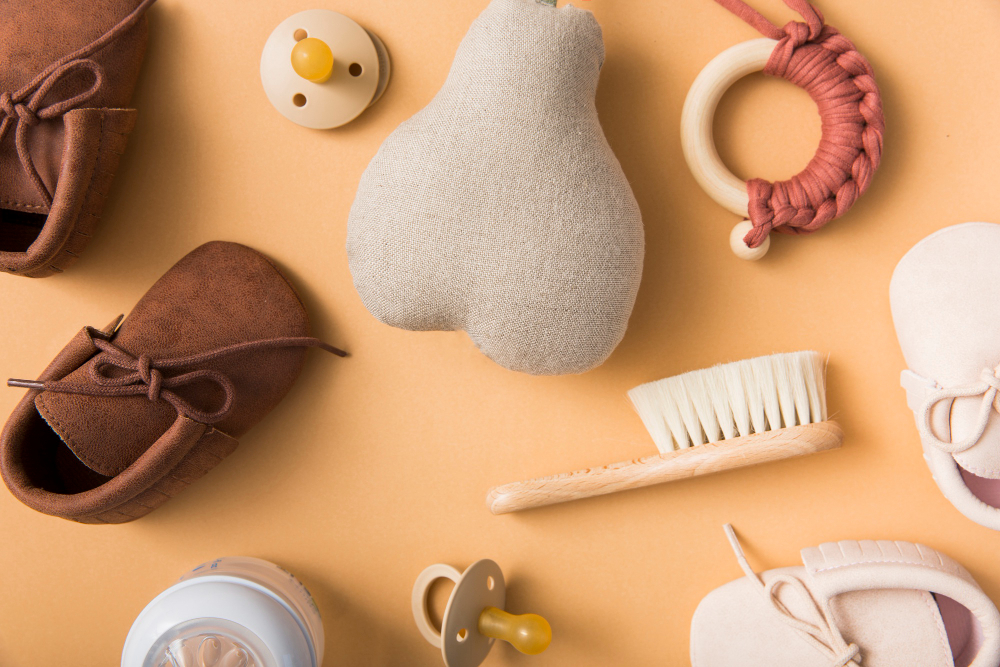
Toys that stimulate a baby’s senses can aid in early development. Rattles, soft plush toys, and black-and-white visual cards are ideal for a newborn’s early months. These newborn baby accessories don’t just offer entertainment—they play a part in growth and bonding time.

7. Crib and Sleep Time Basics

Your newborn will be spending a lot of time sleeping, especially in the early weeks. A crib with a comfortable mattress, fitted sheets, and a baby monitor are critical parts of your baby essentials checklist. Add in a white noise machine or gentle nightlight to create a calming sleep environment.

8. Bathing and Grooming Newborn Must Haves

Bathing and Grooming Newborn Must Haves

Baby shampoo, body wash, a soft-bristled hairbrush, and hooded towels make bathtime safe and enjoyable. Consider using a baby bath seat for stability and support. Having these newborn essentials at hand will make grooming routines a breeze.

9. Travel Accessories and On-the-Go Solutions

Whether it’s a quick grocery run or a family outing, traveling with a newborn takes planning. Car seats, strollers, and baby carriers are vital. Stock your diaper bag with items like disposable washcloths, pacifiers, extra clothing, and your baby first aid kit.

10. Organizing New Born Baby Accessories at Home

Create storage solutions to keep things tidy. Drawer organizers, labeled bins, and hanging shelves can help you store new born baby accessories in an accessible way. This makes late-night diaper changes and daily care more efficient.

Final Thoughts

Baby products

As first-time parents, preparing for your newborn’s arrival can be exciting and overwhelming. Focusing on must have baby items ensures you’re ready for every little moment—from cuddles to diaper changes and everything in between. Whether you’re building your baby wardrobe or shopping for a reliable breastfeeding pillow, thoughtful planning makes all the difference.

For thoughtfully curated newborn essentials and parenting support, visit ToysCentral and explore the latest collections made for your little one’s comfort and your peace of mind. 

Why Choosing the Best Baby Wipes Matters

A baby’s skin is thinner and more delicate than an adult’s, making it more prone to irritation. Using baby wipes several times a day means they must be as gentle as possible. The safest baby wipes clean effectively without harming the skin barrier. Poor-quality wipes can lead to dryness, redness, or even rashes.

Parents must look for non toxic baby wipes that are free from harsh chemicals. Many brands offer hypoallergenic wipes, designed to minimize the risk of allergic reactions. Finding the best sensitive baby wipes is crucial to support your baby’s skin health from day one.

Key Features to Look for in Baby Wipes

Hypoallergenic Formulation

The best baby wipes for sensitive skin are labeled as hypoallergenic. Hypoallergenic wipes are tested to reduce the chance of allergic reactions. They are free from common irritants like fragrances, parabens, and alcohol.

Organic Ingredients

Organic baby wipes made from natural fibers and plant-based ingredients are a safer choice. They minimize exposure to pesticides and synthetic chemicals. Choosing organic options ensures that your baby’s skin touches only the purest materials.

Water Content

The best water wipes for babies contain at least 99% purified water. Water-based wipes are incredibly gentle and perfect for newborns. They reduce the chance of irritation while effectively cleaning the skin.

Texture and Thickness

Gentle baby wipes should feel soft to the touch and have enough thickness to clean efficiently. Thicker wipes help you use fewer sheets per change, saving money and reducing waste.

Non Toxic Certifications

Non toxic baby wipes carry certifications from trusted organizations. Look for wipes that are dermatologically tested and certified safe by pediatricians.

Top Tips for Picking the Best Wipes for Babies

Daily duty of every mother

Read the Label Carefully

Always review the ingredients list. The best baby wipes avoid harsh preservatives and synthetic fragrances. Choose products that prioritize natural ingredients.

Consider Scent-Free Options

Even a natural fragrance can sometimes trigger sensitivity. The best sensitive baby wipes are often unscented or lightly scented with natural oils. Scent-free wipes lower the risk of skin irritation.

Packaging Matters

Convenient packaging helps you access wipes easily, especially during emergencies. Ensure the packaging keeps wipes moist and fresh without exposure to air.

Eco-Friendly Choices

Many parents today prefer biodegradable and compostable wipes. Organic baby wipes that are eco-friendly protect not just your baby but the planet too.

Perform a Patch Test

Before using new baby wipes regularly, do a small patch test on your baby’s skin. Wait 24 hours to ensure there’s no reaction. This simple step helps prevent unexpected skin issues.

Best Types of Baby Wipes for Sensitive Skin

Baby cleaned with cotton baby wipes

Water-Based Wipes

The best water wipes for babies are simple and effective. They contain mostly water and minimal gentle ingredients. Perfect for newborns and babies with eczema-prone skin.

Organic Wipes

Organic baby wipes are made without chemical fertilizers or synthetic additives. They often feature soothing elements like aloe vera and chamomile.

Hypoallergenic Wipes

Hypoallergenic wipes are perfect for babies prone to allergic reactions. They are carefully formulated to be safe for all skin types.

Ultra-Gentle Wipes

Gentle baby wipes designed for sensitive skin are ultra-soft and extra moisturizing. They help maintain the skin’s natural moisture barrier.

Non Toxic Wipes

Non toxic baby wipes offer peace of mind for parents. Free from harmful additives, they deliver safety and comfort with every use.

Popular Ingredients to Look For

Baby wipes

Certain natural ingredients can enhance the quality of baby wipes. Here are a few safe, skin-loving options:

  • Aloe Vera: Hydrates and soothes irritated skin.
  • Chamomile: Reduces inflammation and calms sensitive skin.
  • Vitamin E: Provides antioxidant protection and moisturizes the skin.
  • Cucumber Extract: Refreshes and cools the skin naturally.

The best baby wipes often include these natural agents to add extra benefits beyond basic cleaning.

Common Ingredients to Avoid

To ensure you are choosing the best wipes for babies, avoid these harmful additives:

  • Alcohol: Dries out and irritates the skin.
  • Parabens: Linked to potential health concerns.
  • Synthetic Fragrances: Often cause allergic reactions.
  • Phthalates: Harmful chemicals found in some fragrances and packaging.

The safest baby wipes proudly exclude these ingredients from their formulas.

Caring Beyond Diaper Changes

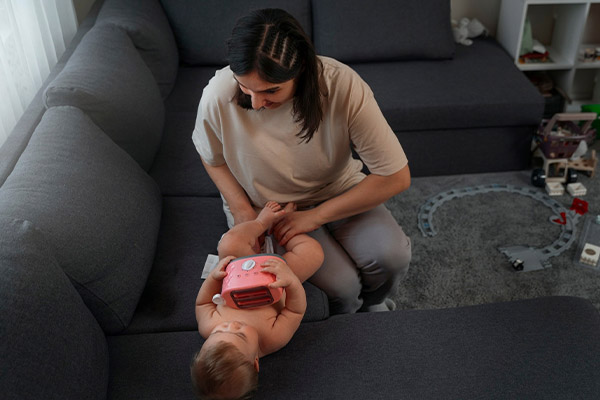
mother changing diaper of baby

Baby wipes are not just for diaper changes. They are handy for wiping sticky hands, cleaning messy faces, and even refreshing baby’s delicate body folds. Having the best sensitive baby wipes ensures you can use them throughout the day without worries.

Parents often underestimate how often they reach for a wipe during outings, meals, or playtime. That’s why investing in non toxic baby wipes with a gentle formulation makes such a difference.

Choosing the best baby wipes for your little one is a small decision that carries big importance. By selecting hypoallergenic wipes, organic baby wipes, or the best water wipes for babies, you ensure your child’s comfort and safety every day. Remember to check ingredients, pick non toxic baby wipes, and always prioritize your baby’s sensitive skin needs.

Explore a wide collection of the best baby wipes and other baby essentials at ToysCentral and make every moment with your little one safer and more joyful.

Teaching Children About Sharing Toys: Strategies for Parents

Sharing is an essential social skill that helps children build friendships, develop empathy, and learn cooperation. However, many young children struggle with sharing their favorite toys, as they are still learning how to manage emotions and interact with others. Parents play a key role in teaching the importance of sharing, making playtime an opportunity for growth rather than conflict.

Introducing engaging toys that naturally encourage group play can make this process easier. Magnetic blocks and STEM toys are great examples, as they inspire children to build together, take turns, and collaborate. Teaching kids that sharing is caring helps them build empathy, cooperation, and strong social skills from an early age. Through learning through play, children develop valuable social skills while having fun.

Why Is Sharing Challenging for Young Children?

In early childhood education, experts emphasize that children’s brains are still developing impulse control and emotional regulation. For many young kids, their toys feel like personal treasures, and the idea of giving someone else a turn may seem unfair. However, with patience and practice, they can understand that sharing benefits everyone. You can explore more about how toys aid in child development in our blog on teaching children to share toys

Strategies to Encourage Sharing

baby brother and sister sharing the toys

1. Lead by Example

Children learn best by observing their parents and caregivers. When they see adults sharing food, household items, or responsibilities, they are more likely to follow suit. During playtime, parents can actively demonstrate sharing by taking turns with magnetic toys or playing together with magnet building toys.

2. Use Positive Reinforcement

Praise and encouragement go a long way in reinforcing good behavior. When a child shares their kid magnet toys with a friend, acknowledge their effort with kind words like, “That was so nice of you to let your friend play with your toys!” This reinforces the behavior and motivates them to do it again.

3. Set Clear Expectations

Before playdates or group activities, explain the importance of sharing. Let children know that everyone gets a turn with the toys and that taking turns makes playtime more enjoyable. Magnetic learning toys are excellent for this, as they encourage teamwork and make sharing a natural part of the activity.

4. Introduce Turn-Taking Games

Kids playing together indoors

Structured activities that require turn-taking can help children practice sharing. Games involving magnet play or building together with stem magnets encourage kids to take turns while working towards a common goal. This helps them see sharing as a fun and positive experience.

5. Provide Plenty of Shared Play Opportunities

Encouraging children to play with siblings or friends regularly helps them become more comfortable with sharing. Toys like the best STEM toys foster cooperative play, as kids work together to build creative structures. Over time, they will see the value of collaboration and be more willing to share.

6. Teach Problem-Solving Skills

Conflicts over toys are bound to happen, but instead of stepping in immediately, guide your child in resolving the situation. Ask them questions like, “How can we make sure both of you get a turn?” Encouraging problem-solving helps them develop social skills and handle sharing challenges independently.

7. Create a “Sharing Bin”

Designate a selection of toys that are meant to be shared during playdates. This helps children mentally prepare for sharing while still allowing them to keep a few personal favorites separate. Including magnetic blocks in the sharing bin can make group play even more engaging.

The Role of Magnetic Toys in Teaching Sharing

Playing with magnetic toys

Magnetic toys are especially effective for encouraging cooperation among children. Because they involve assembling different pieces to create structures, they naturally promote teamwork. When kids build together with magnet building toys, they learn to negotiate turns, communicate ideas, and appreciate the joy of working as a team. Gentle parenting encourages empathy and understanding, helping children learn to share toys through positive reinforcement and respectful communication.

Overcoming Common Sharing Challenges

Even with these strategies, children may still struggle with sharing from time to time. If a child refuses to share, remain patient and remind them why sharing is important. You can also introduce the concept of “trading” by suggesting they let a friend play with one of their toys in exchange for another toy.

Additionally, if a child is particularly attached to a toy, respect their feelings by allowing them to put it away during group play. This helps prevent unnecessary frustration and gives them a sense of control over their belongings.

Final Thoughts

Kids playing together by sharing toys

Teaching children to share is an ongoing process that requires patience, encouragement, and practice. By incorporating strategies like positive reinforcement, turn-taking games, and magnetic learning toys, parents can help their children develop strong social skills. Sharing toys not only helps children develop social skills but also strengthens their bond with parents through interactive play and positive reinforcement.

Through fun and engaging activities, kids can learn that sharing makes playtime more enjoyable for everyone. And as they grow, these lessons will help them build positive relationships and navigate social situations with confidence. 

Shop the best selection of educational and interactive toys at Toyscentral.

How Magnetic Toys Boost STEM Learning in Kids

In today’s digital era, children are surrounded by screens. Encouraging hands-on learning through play is more crucial than ever. One of the best ways to spark curiosity and cognitive development is by introducing a magnetic toy. Magnetic play not only entertains but also plays a significant role in fostering STEM (Science, Technology, Engineering, and Mathematics) skills from an early age. Whether it’s using stem magnets, engaging in preschool magnet activities, or exploring magnets for toddlers activities, these toys offer a world of discovery.

From magnetic shapes for preschool to advanced magnetic learning toys, the benefits are endless. They help kids grasp basic physics, improve problem-solving skills, and develop spatial awareness. If you’re looking for an engaging and educational way to support your child’s development, kid magnet toys should be at the top of your list.

The Science Behind Magnetic Toys and STEM Learning

Colorful toy constructions designed shaped red on light, toy plastic

Understanding STEM Magnets and Their Educational Value

Magnetism is a fascinating concept that captivates young minds. When children interact with stem magnets, they begin to understand core scientific principles, such as attraction and repulsion, polarity, and magnetic fields. These hands-on experiences build a strong foundation for future STEM learning.

A magnetic toy introduces kids to basic physics without overwhelming them with theory. Simple observations, like how two magnets stick together or push apart, teach cause and effect. As children grow, they can experiment with different materials, learning which objects attract magnets and why. These discoveries spark curiosity and encourage scientific inquiry.

Magnetic Play and Problem-Solving Skills

Magnet play is more than just fun—it’s a tool for cognitive development. Children naturally become little engineers as they build structures using magnetic shapes for preschool. Whether they’re stacking magnetic blocks, creating geometric designs, or solving puzzles, they’re enhancing their spatial reasoning and problem-solving skills.

By manipulating magnetic learning toys, kids develop patience and perseverance. Trial and error help refine their ability to predict outcomes, making them better problem solvers. These activities also foster creativity, as children experiment with different structures and designs, learning that there’s more than one way to approach a challenge.

Engaging Preschool Magnet Activities for Early Learning

mother and kid playing with magnetic toys

Fun and Educational Magnetic Activities

For preschoolers, learning should be both fun and interactive. Preschool magnet activities make STEM learning engaging while strengthening fine motor skills. Here are some enjoyable ways to incorporate magnets into playtime:

  • Magnetic Sorting Games: Give children various objects and let them test which items are magnetic and which aren’t. This simple activity helps with classification and critical thinking.
  • Alphabet and Number Magnets: Using magnetic letters and numbers on a board introduces literacy and numeracy in an interactive way.
  • Fishing for Magnets: Attach paper clips to small cutouts of fish and let kids ‘catch’ them with a magnetized fishing rod. This activity improves hand-eye coordination.
  • Building with Magnetic Tiles: These kid magnet toys allow children to create imaginative structures while exploring geometric concepts.
  • Exploring Magnetic Fields: Place iron filings on a piece of paper and let kids observe how magnets affect their arrangement.

How Magnets for Toddlers Activities Enhance Development

Toddlers benefit greatly from magnets for toddlers activities, as these exercises support motor skill development and hand-eye coordination. Simple magnetic stacking games help develop dexterity, while sensory play with magnetic wands and objects promotes curiosity.

Introducing magnetic shapes for preschool at an early age strengthens color and shape recognition. As toddlers manipulate different magnetic pieces, they enhance their grip strength and develop foundational cognitive skills.

Magnetic Learning Toys: The Perfect STEM Companion

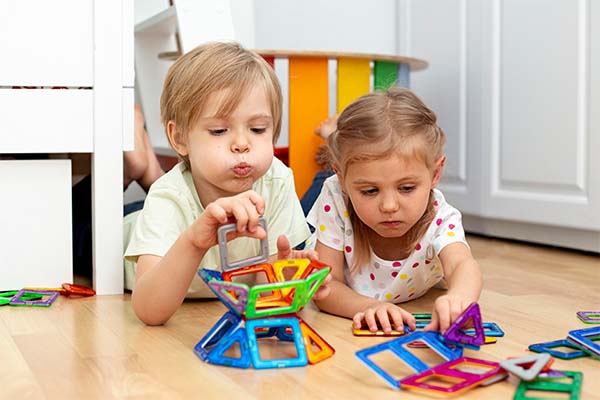
Young friends playing magnetic toys

Why Magnetic Learning Toys Are a Must-Have

When selecting educational toys, magnetic learning toys stand out for their versatility and long-term benefits. They cater to various learning stages, ensuring that children remain engaged as their skills develop.

Some key benefits of kid magnet toys include:

  • Hands-on Learning: Kids retain knowledge better through interactive experiences.
  • STEM Skill Development: Early exposure to magnetic concepts lays the groundwork for advanced scientific understanding.
  • Screen-Free Entertainment: Magnetic toys provide an alternative to digital screens while keeping children engaged.
  • Encouragement of Creativity: Open-ended play opportunities inspire imaginative thinking.
  • Problem-Solving Enhancement: Children learn through trial and error, improving their reasoning abilities.

Choosing the Right Magnetic Toy for Your Child

With so many options available, choosing the best magnetic toy can be overwhelming. Consider these factors when making a selection:

  1. Age Appropriateness: Look for kid magnet toys designed for your child’s developmental stage.
  2. Safety: Ensure the toys are free from small, detachable magnets that could pose a choking hazard.
  3. Educational Value: Opt for toys that align with STEM principles, such as magnetic shapes for preschool or building sets.
  4. Durability: High-quality materials ensure longevity and safe playtime.
  5. Versatility: The best magnetic learning toys grow with your child, offering new challenges over time.

Invest in Magnetic Play for Lifelong STEM Skills

Boy playing with puzzle

Magnetic play is more than just entertainment—it’s an essential tool for early childhood education. Whether through preschool magnet activities, stem magnets, or magnets for toddlers activities, these toys lay the foundation for future STEM success. Encouraging hands-on discovery through a magnetic toy fosters creativity, problem-solving, and scientific thinking from an early age.

If you want to give your child a head start in STEM education, invest in high-quality magnetic learning toys today. Explore an exciting range of kid magnet toys at ToysCentral and make learning fun!

The Ultimate Guide to Teaching Kids the Value of Money with Piggy Banks

Teaching kids about money is one of the most valuable life lessons a parent can offer. Financial literacy starts early, and introducing children to money-saving habits helps them develop responsible financial behavior. A simple yet effective method is using piggy banks for kids. These small but mighty tools instill the habit of saving and help children understand the importance of managing money wisely.

Why Teaching Kids About Money Matters

Children grow up watching their parents spend money, but they rarely understand where it comes from or how it should be managed. Without proper guidance, they may struggle with financial responsibility as they get older. Teaching kids about money early helps them build good habits that last a lifetime.

A kids piggy bank is more than just a container for loose coins. It serves as a hands-on learning tool that teaches patience, goal-setting, and the reward of saving. When children see their savings grow, they develop a sense of accomplishment and an understanding of delayed gratification.

The Best Way to Save Money for Kids: The Role of a Piggy Bank

piggy bank  for kids

A piggy bank is one of the best ways to introduce financial concepts to children. Unlike digital money, which can feel abstract, a physical coin bank for kids provides a tangible representation of their savings. This makes it easier for them to grasp the concept of accumulating wealth.

Here’s why a piggy bank is the best way to save money for kids:

  • Encourages Habit Formation: Kids learn by doing. Dropping coins into a piggy bank becomes a routine that reinforces saving habits.
  • Develops Financial Discipline: Teaching kids to save money instead of spending immediately builds financial discipline.
  • Introduces Goal-Setting: A kids piggy bank helps children set and achieve financial goals, like saving for a new toy or game.
  • Enhances Math Skills: Counting and sorting money improves basic arithmetic and financial literacy.
  • Teaches Delayed Gratification: Learning to wait before making a purchase teaches patience and smart decision-making.

How to Teach Kids About Money with a Piggy Bank

  1. Start Early: The earlier you introduce saving habits, the better. Even toddlers can understand the concept of putting money into a container and watching it grow.
  2. Make It a Fun Activity: Turn saving money into a game. Encourage kids to decorate their piggy banks, give them names, and track their progress.
  3. Use a Transparent Coin Bank for Kids: A clear piggy bank allows children to see their savings increase, making the process more exciting and rewarding.
  4. Set a Savings Goal: Help children set achievable goals, like buying a new toy, a book, or a fun activity. Having a goal motivates them to save consistently.
  5. Teach the Difference Between Needs and Wants: Explain the difference between essential expenses and impulse purchases. This understanding will help them make better financial decisions in the future.

Choosing the Best Piggy Bank for Kids

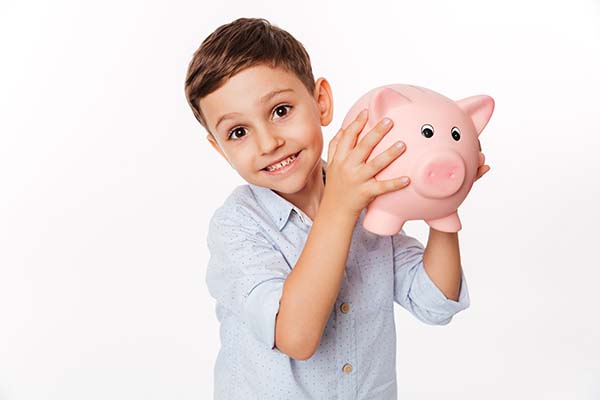
cheerful cute little kid with piggy bank

Not all piggy banks are created equal. When selecting the best piggy bank for kids, consider these factors:

  • Durability: Choose a sturdy bank that can withstand accidental drops.
  • Design: A fun and engaging design makes saving more exciting.
  • Compartments: Some piggy banks come with separate slots for saving, spending, and donating, teaching kids about money management.
  • Accessibility: Ensure it’s easy to retrieve money when they reach their savings goal.

Saving Money Tips for Kids

  1. Give Them an Allowance: Providing a small allowance helps kids learn how to manage money independently.
  2. Encourage Earning Money: Teach kids the value of hard work by offering small tasks for extra earnings.
  3. Match Their Savings:  Motivate kids by matching a percentage of their savings, reinforcing the benefits of long-term saving.
  4. Celebrate Milestones: Recognize their progress to keep them motivated. Rewarding their efforts reinforces positive saving habits.

Teaching Kids to Save Money for the Future

boy inserting currency note in the polka dot ceramic piggy bank

As children grow, introduce more complex saving strategies. Teach them about budgeting, setting long-term goals, and even investing. A piggy bank is just the beginning of their financial journey.

Making Saving a Family Activity

Parents can make saving money a fun and engaging family activity. Setting family savings challenges, discussing money goals during dinner, and involving kids in budgeting decisions help them understand the value of money beyond their piggy banks. By making financial discussions a routine, children feel more confident about money management as they grow.

Encouraging Smart Spending Habits

Saving money is essential, but so is learning how to spend wisely. Teach kids to compare prices, wait for discounts, and make thoughtful purchases. Discussing the concept of value versus price helps them understand the difference between making impulsive buys and investing in items that truly matter. This balanced approach to money management ensures they grow up with a healthy financial mindset.

Helping kids learn how to save money through practical experiences ensures they develop lifelong financial responsibility. Start your child’s saving journey today with the perfect piggy bank from ToysCentral.

The Amazing Benefits of Play Dough and Clay Play for Child Development

Children love to create, mold, and shape. Their tiny hands press, roll, and squeeze soft textures to bring their imagination to life. Play dough and clay play are more than just fun activities; they provide immense developmental benefits. These hands-on experiences help children develop essential skills that shape their cognitive, emotional, and physical growth. From strengthening fine motor abilities to enhancing creativity, clay activity for kids plays a crucial role in early learning.
How Play Dough and Clay Play Benefit Child Development

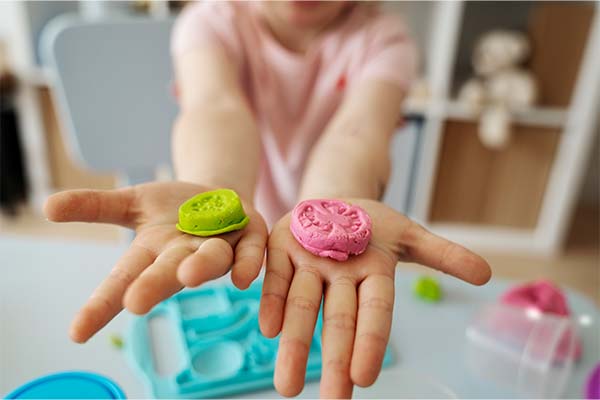
Play Dough

Playdough activity is more than just a pastime. It contributes significantly to a child’s development, supporting various skills necessary for growth. Engaging in clay play allows children to explore textures, colors, and patterns while refining their sensory and motor abilities. Below are the major benefits of playdough for kids and how it aids in holistic development.
1. Enhances Fine Motor Skills and Hand Strength

Fine motor skills are essential for tasks like writing, buttoning clothes, and using utensils. Play dough strengthens the small muscles in a child’s hands and fingers. As they pinch, roll, and shape the dough, they improve dexterity and coordination. These actions prepare young learners for writing and drawing.

2. Boosts Creativity and Imagination

Clay activity for kids encourages open-ended play. There are no rules, allowing children to create anything they imagine. They can shape animals, buildings, or abstract sculptures. This freedom enhances problem-solving skills and artistic expression.

3. Supports Cognitive Development

Molding playdough shapes requires planning, concentration, and memory. Children learn about cause and effect when they mix colors or press different textures into the dough. Playdough for kids also helps in early math concepts, such as counting shapes and comparing sizes.

4. Encourages Sensory Exploration

The texture of play dough stimulates a child’s sense of touch. They experience different consistencies when using tools, adding water, or mixing materials. This sensory play is beneficial for children who need extra stimulation or calming activities.

5. Improves Hand-Eye Coordination

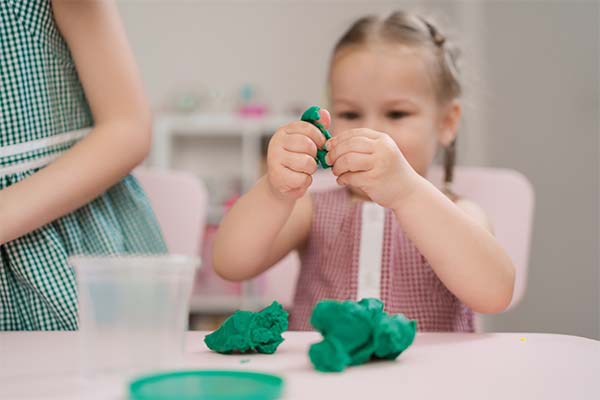
little girl moulds from plasticine on table

olling, cutting, and sculpting play dough requires children to use their eyes and hands together. This coordination is crucial for everyday activities, such as eating, dressing, and sports. Playdough activity strengthens this connection by engaging multiple senses at once.

6. Develops Social and Communication Skills

When children engage in clay play together, they learn teamwork, sharing, and communication. They describe what they are making, exchange ideas, and work collaboratively. These interactions improve their vocabulary and social confidence.

7. Encourages Emotional Expression and Stress Relief

Clay for children provides a safe way to express feelings. Kids who struggle with words can use their hands to create what they feel. Squishing and molding the dough also act as a stress-reliever, helping children calm down after a busy day.

8. Introduces Basic Science and Math Concepts

Playdough activity teaches children about volume, weight, and shapes. They learn measurements when they divide pieces or combine different amounts. These basic concepts lay a foundation for future learning in STEM subjects.

9. Promotes Independent Play and Focus

Playdough for kids encourages self-directed play. Children can sit for long periods, fully immersed in their creations. This ability to focus strengthens their attention span, preparing them for structured learning in school.

Playdough Activity Ideas for Kids

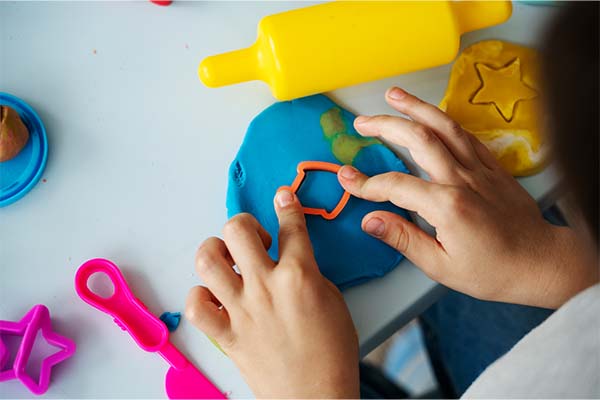
High angle kid playing indoors

Parents and teachers can enhance the benefits of play dough by incorporating fun and educational activities. Here are some simple yet effective clay activity ideas for kids:

1. Shape and Color Sorting

  • Provide different colors of play dough.
  • Ask children to make and sort playdough shapes based on color and size.
  • This activity improves categorization skills and color recognition.

2. Letter and Number Molding

  • Help kids form letters and numbers using play dough.
  • Encourage them to spell their names or count their creations.
  • This strengthens early literacy and numeracy skills.

3. Texture Exploration

  • Give children various objects (forks, buttons, leaves) to press into play dough.
  • They observe different patterns and learn about textures.
  • This enhances their sensory awareness.

4. Themed Play Scenes

  • Ask children to create a playdough farm, city, or underwater world.
  • This activity encourages storytelling and imaginative play.

5. Role-Playing with Play Dough

  • Kids can make pretend food, animals, or mini sculptures.
  • They role-play different scenarios, enhancing social and emotional skills.

6. Clay Storytelling

  • Encourage kids to make characters out of clay.
  • Let them create a short story with their models.
  • This activity boosts creativity and narrative skills.

7. Mixing Colors

  • Let kids combine different playdough colors to discover new shades.
  • This teaches color theory and fosters curiosity.

Choosing the Right Clay for Children

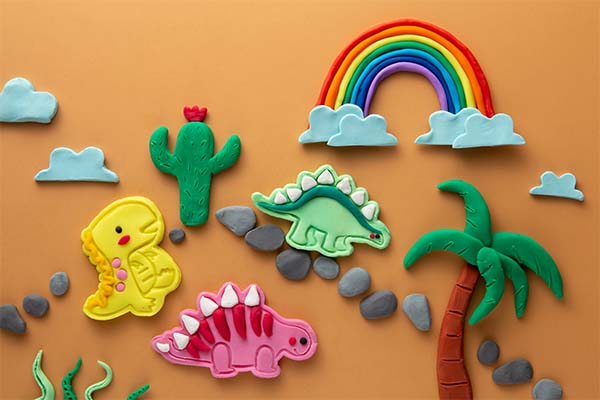
Play dough art with dinosaurus and rainbow

Selecting safe, non-toxic clay for children is essential. Look for products labeled as child-friendly and free from harmful chemicals. Homemade playdough is another great option, allowing parents to control the ingredients.

Here are some factors to consider when choosing play dough:

  • Softness: Easy to mold for young hands.
  • Non-toxicity: Free from harmful additives.
  • Durability: Retains moisture and doesn’t dry out quickly.
  • Color Variety: Encourages creativity and learning.

Tips for Maximizing Play Dough Benefits

  1. Set up a dedicated play area to keep messes manageable.
  2. Use different tools (rolling pins, cookie cutters) for added creativity.
  3. Rotate activities to keep engagement high.
  4. Encourage free play to allow natural exploration.
  5. Store play dough properly to prevent drying out.

Final Thoughts on the Benefits of Clay and Play Dough for Kids

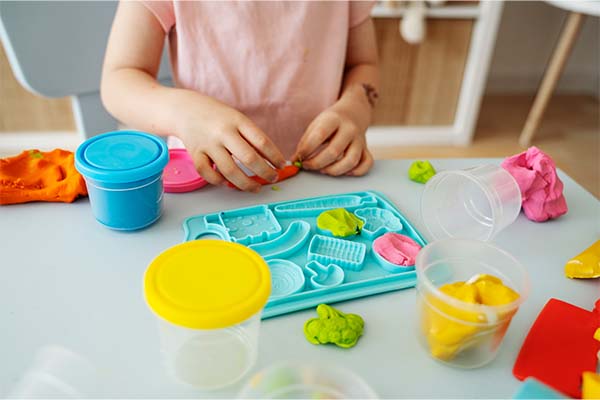
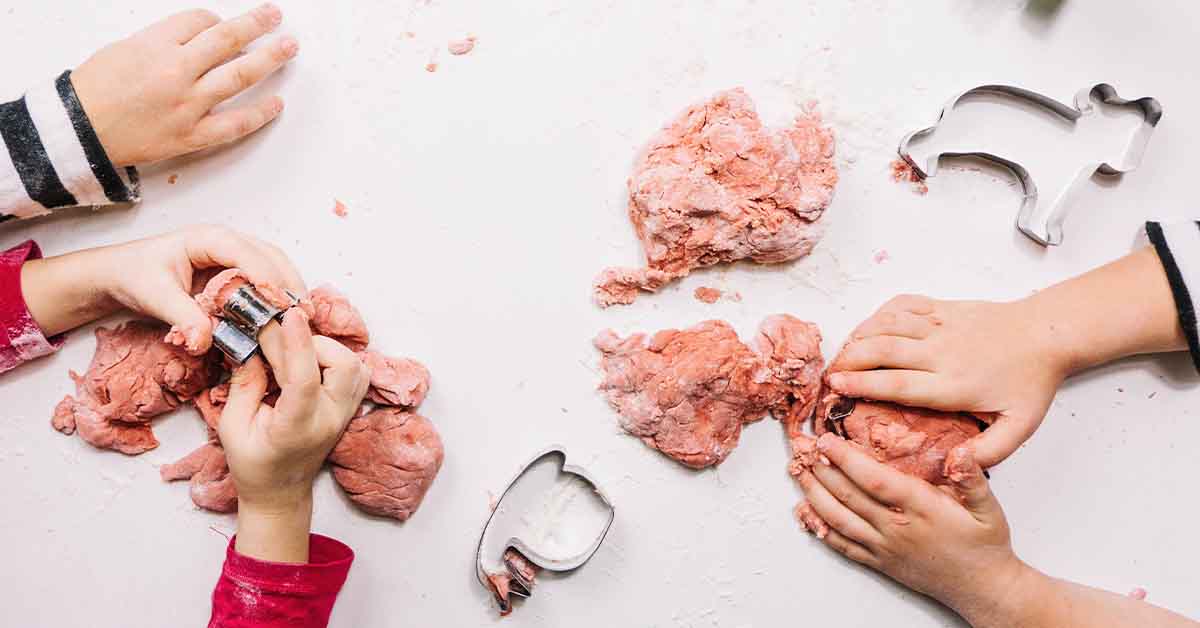
High angle blurry kid with play dough

Play dough is more than just a toy; it’s a powerful learning tool. The benefits of clay and playdough activity extend across physical, cognitive, and emotional development. It strengthens fine motor skills, boosts creativity, and enhances sensory exploration. Whether shaping simple playdough shapes or creating intricate sculptures, children gain essential life skills through play.

Give your child the joy of clay play and unlock their creativity. Explore a fantastic range of playdough for kids at ToysCentral and make learning fun today!

Messy Play Ideas: Unleashing Creativity and Learning Through Play

Messy play is an essential part of childhood development that allows children to explore their senses, express creativity, and learn through hands-on experiences. It involves activities that engage the senses, stimulate curiosity, and promote problem-solving skills. From splashing in mud to painting with fingers, messy play ideas offer endless opportunities for children to experiment and discover the world around them.

What is Messy Play?

Messy play refers to activities that involve tactile and sensory exploration. It includes using materials like sand, water, paint, mud, slime, or even food. Unlike structured play, messy play encourages open-ended exploration, allowing children to use their imagination without a specific outcome in mind.

This type of play is more about the process than the end product. It gives children the freedom to express themselves, make choices, and learn through trial and error. By engaging in messy play, kids develop fine motor skills, hand-eye coordination, and cognitive abilities while having fun.

Benefits of Messy Play

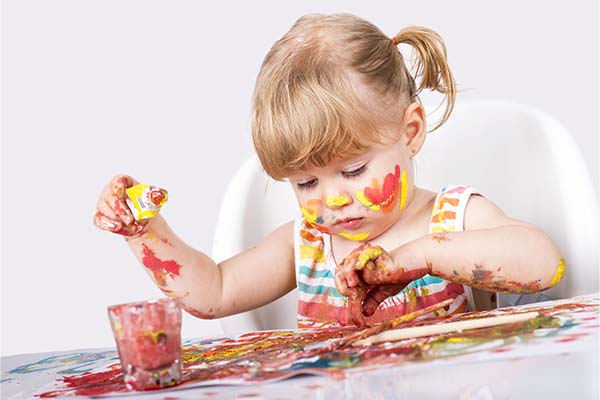
little girl painting and playing

There are numerous benefits of messy play that go beyond just having fun. It is a crucial aspect of childhood development that fosters creativity, emotional expression, and social interaction. Here are some key benefits of messy play:

  • Sensory Exploration: Messy sensory play stimulates the senses—touch, sight, smell, and sometimes even taste. This sensory stimulation is essential for brain development as it helps children understand the world through their senses.
  • Fine Motor Skills Development: Activities like squeezing, pouring, mixing, and molding strengthen hand muscles and improve dexterity. These skills are vital for tasks like writing and buttoning clothes.
  • Creativity and Imagination: Messy play encourages creativity by allowing children to experiment with different textures, colors, and materials. It nurtures imagination and problem-solving skills as they explore new ways to use the materials.
  • Emotional Expression and Stress Relief: Messy play provides an outlet for emotional expression. It helps children express feelings they may not have the words for, making it an effective stress-relief activity.
  • Social Skills and Communication: Engaging in messy play activities with peers fosters social interaction, communication, and cooperation. It teaches children how to share, take turns, and work together.

Messy Play Ideas for Endless Fun

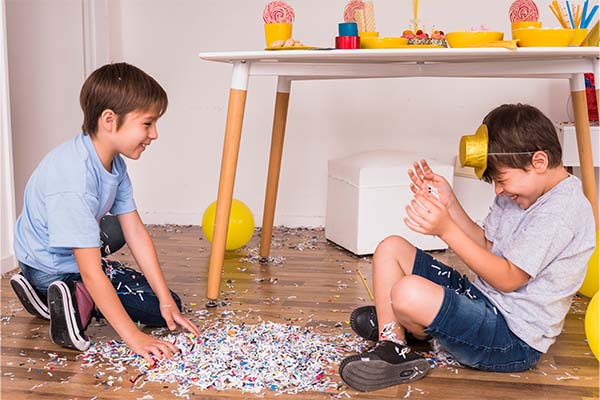
Happy friends enjoying party with confetti and messy play

Looking for creative play ideas that are fun and educational? Here are some messy play activities that are perfect for toddlers and young children:

  • Mud Kitchen: Set up a mud kitchen in the backyard with old pots, pans, and utensils. Let children mix mud, water, and leaves to create their own “recipes.” This encourages imaginative play and fine motor skills.
  • Finger Painting: Provide non-toxic finger paints and large sheets of paper. Allow children to explore colors and textures by painting with their hands and fingers. This activity promotes sensory exploration and creativity.
  • Slime Play: Make homemade slime using safe ingredients like cornstarch and water. The stretchy, gooey texture of slime is fascinating for children and helps develop sensory awareness.
  • Bubble Foam: Create bubble foam using water, dish soap, and a hand mixer. Let children explore the fluffy, frothy bubbles with their hands or toys. This is a fun sensory activity that stimulates touch and sight.
  • Sand and Water Play: Set up a sand and water station with cups, scoops, and molds. Children can build sandcastles, pour water, and mix the two for a unique sensory experience.

Messy Sensory Play: Engaging the Senses

Messy sensory play is all about stimulating the senses while having fun. It helps children develop cognitive and language skills by encouraging them to describe what they see, feel, and smell. Here are some sensory play ideas:

  • Rainbow Rice: Dye uncooked rice with food coloring and let it dry. Children can scoop, pour, and mix the colorful rice, exploring textures and practicing fine motor skills.
  • Shaving Foam Art: Spray shaving foam on a tray and add a few drops of food coloring. Children can use their fingers to swirl the colors, creating beautiful patterns while engaging their sense of touch and sight.
  • Nature Collage: Collect leaves, flowers, and twigs from the garden. Provide glue and paper for children to create nature-inspired collages, enhancing their sensory awareness and creativity.

Messy Activities for Toddlers

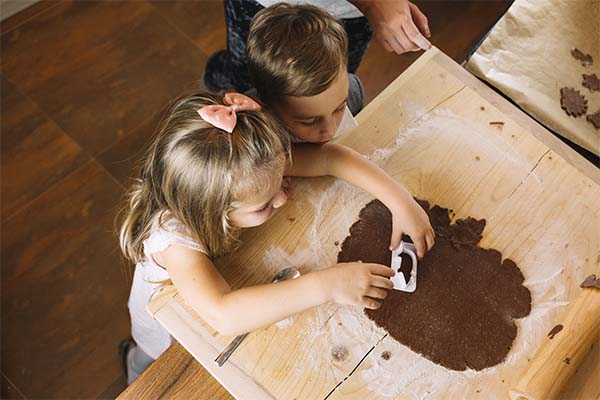
Children making ginger bread

Toddlers are naturally curious and love to explore the world around them. Messy play activities for toddlers provide a safe and fun way to engage their senses and develop essential skills. Here are some toddler-friendly ideas:

  • Edible Finger Paint: Make edible paint using yogurt and food coloring. Toddlers can explore colors and textures safely while developing hand-eye coordination.
  • Pasta Play: Cook and cool pasta in different shapes and colors. Let toddlers explore the squishy, slippery texture while practicing fine motor skills.
  • Water Beads: Hydrate water beads and let toddlers play with the bouncy, squishy spheres. This sensory activity enhances tactile exploration and hand strength.

How to Set Up a Messy Play Area

Setting up a messy play area at home is easy and helps contain the mess while encouraging creative play. Here’s how to create a fun and safe messy play environment:

  • Choose a Designated Area: Pick a space that is easy to clean, like the kitchen or backyard. Use a plastic tablecloth or tarp to protect the floor.
  • Wear Old Clothes or Aprons: Dress children in old clothes or aprons to avoid stains. This allows them to play freely without worrying about getting dirty.
  • Use Washable Materials: Choose washable paints, non-toxic supplies, and easy-to-clean surfaces for a stress-free cleanup.
  • Supervision and Safety: Always supervise messy play activities to ensure safety, especially when using small objects or liquids.

Tips for a Positive Messy Play Experience

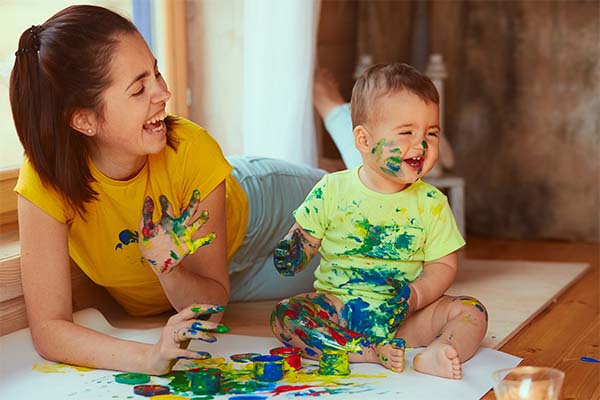
Mother and son enjoying messy play activity with paint

To make the most of messy play ideas, keep these tips in mind:

  • Embrace the Mess: Accept that messy play is meant to be messy. Focus on the learning and fun rather than the cleanup.
  • Encourage Exploration: Allow children to lead the play without rules or restrictions. This fosters creativity and independent thinking.
  • Keep It Safe: Ensure all materials are non-toxic and age-appropriate. Supervise young children to avoid choking hazards.
  • Easy Cleanup: Have wet wipes, towels, and a trash bag handy for quick and easy cleanup.

Final Thoughts on Messy Play Ideas

Messy play is not just about making a mess—it’s about learning, exploring, and growing. It fosters creativity, enhances sensory awareness, and develops essential skills that contribute to a child’s overall development. Whether it’s finger painting, mud kitchen, or sensory bins, the possibilities are endless.