

Toys serve as important tools for childhood learning and growth. One of the most effective ways to encourage meaningful play while saving space and money is through a toy library. Much like a traditional library, it allows families to borrow a variety of play items including educational toys, sensory items, and themed sets.
This model keeps children engaged by offering fresh options regularly. It also helps parents support their child’s development without overstocking the home with items that lose novelty over time. Whether it’s a train set or a dollhouse, these borrowed playthings encourage active learning and imaginative exploration.
Why Every Family Should Explore a Toy Library
A Budget-Friendly Solution for Smart Play
Toy costs can quickly add up, especially as children move through different growth stages. A toy library offers access to high-quality toys without the full purchase price. Parents can borrow items like wooden train sets or baby sensory toys for a fraction of the cost of owning them.
This approach also allows families to experiment with a wide variety of toys. Instead of investing in expensive items that might only hold a child’s interest briefly, you can rotate through options based on your child’s interests and developmental needs.
Encourages Developmental Growth
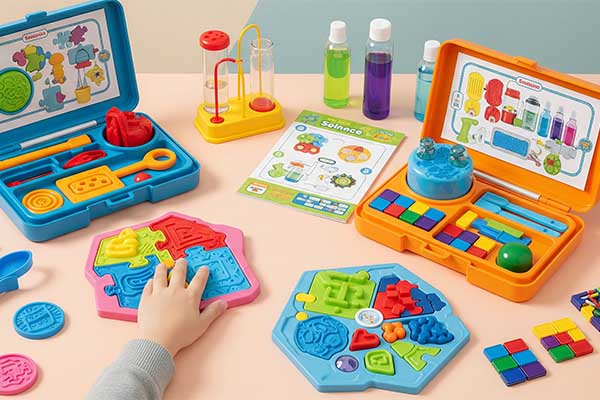
Toys are not just about play—they’re about growth. Sensory items help infants understand new textures, sounds, and visual cues. A toy library provides access to a range of baby sensory toys that stimulate early cognitive and motor development.
Older kids benefit from puzzles, science kits, and educational board games. These items promote problem-solving, spatial reasoning, and communication skills. With constant access to learning tools and toys , kids grow intellectually while having fun.
Reduces Waste and Promotes Sustainability
Modern parenting often comes with toy clutter. A toy library combats this issue by promoting reuse. Instead of buying toys that get discarded, you borrow them for a limited time and return them when your child moves on.
This system cuts down on waste and supports a cleaner environment. Borrowing instead of buying minimizes the number of unused toys that end up in landfills, creating a more sustainable approach to parenting.
The Learning Benefits of a Toy Library
Access to a Diverse Toy Collection
Children need a range of experiences to develop fully. A toy library offers an expansive variety of options—from simple blocks and puzzles to advanced STEM kits and pretend play items like dollhouses.
This variety ensures that children stay interested in play and are constantly exposed to new challenges. Exposure to a wide selection of educational toys and games helps build essential skills without the need for constant new purchases.
Builds Social Skills and Sharing Habits
A toy library teaches kids more than just how to play. Borrowing toys fosters responsibility and respect for shared resources. Children learn to treat items with care, understanding that others will also be using them.
This process builds character and encourages good habits early in life. By learning to share and take responsibility, children grow into thoughtful and considerate individuals.
Ideal for Special Needs and Early Intervention
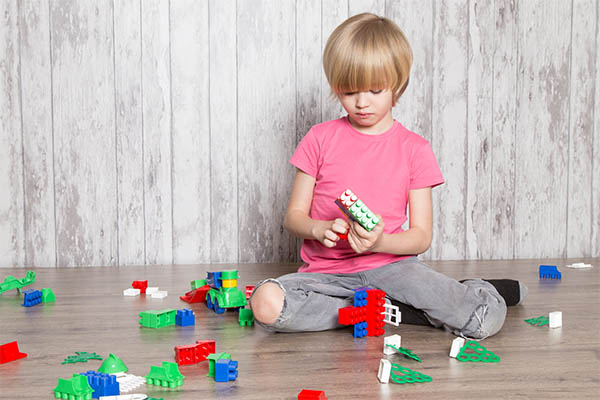
Every child is different, and some need more specialized support during play. A toy library often offers items specifically designed for developmental challenges. Sensory toys and structured learning tools can assist in early intervention and therapy.
Parents can try out different toys to determine which ones work best for their child. This flexibility makes it easier to create a customized learning environment without the high cost of specialized toys.
Making the Most of a Toy Library Membership
Parents can make the most of a toy library by being intentional about their selections. Take time to choose toys that align with your child’s current interests and development level. Options like dollhouses, train sets, and learning kits are great choices that encourage both creativity and cognitive growth.
Rotate the toys every few weeks to keep playtime exciting. Use this opportunity to observe which toys your child gravitates toward. Over time, this will help you better understand their learning style and preferences.
The Smart Choice for Playful Parenting
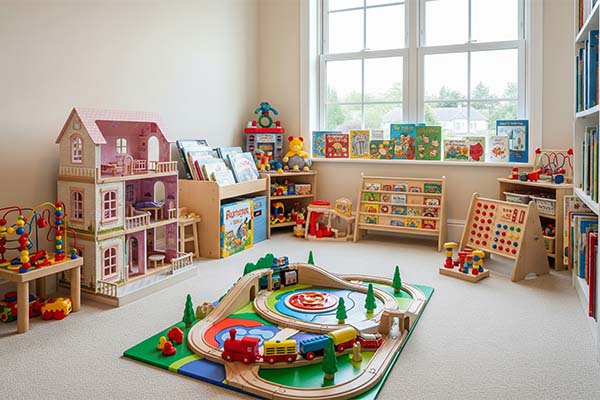
A toy library offers much more than just entertainment. It opens doors to continuous learning, creativity, and growth without overwhelming your home or your budget. With items ranging from wooden train sets to sensory toys, there’s something to support every stage of childhood development.
This system is not only cost-effective and clutter-free, but also environmentally responsible. It allows families to embrace meaningful play without overconsumption. Plus, it fosters decision-making skills in kids as they choose which toys to explore next. It encourages curiosity, helps parents avoid toy fatigue, and ensures that children remain engaged and challenged through every phase of development.
Visit ToysCentral today and explore how a toy library can enhance your child’s development while making parenting simpler and smarter.