
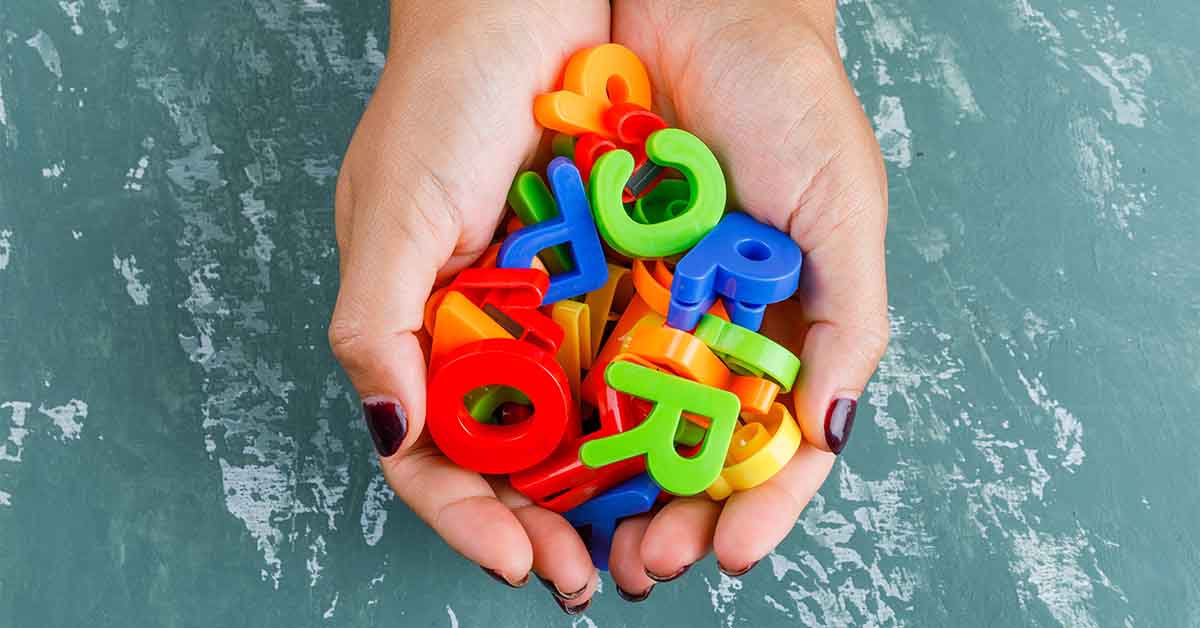
When it comes to building early communication skills, the right toys can make a world of difference. Speech therapy supports toddlers in developing language, vocabulary, and expression in ways that are both structured and fun. For parents and caregivers, choosing toys that complement these goals is an essential step in nurturing a child’s speech development.
Speech therapy uses play as a foundation for learning, especially during early childhood. Interactive, imaginative, and tactile toys are ideal for encouraging toddlers to express themselves, learn new words, and follow directions. With speech therapy for toddlers becoming more common, parents often ask what toys will be most helpful. Whether you’re seeking support for speech therapy for a 2 year old or looking for ways to enrich your child’s verbal skills, choosing toys designed with speech development in mind is a smart move.
How Toys Help Support Speech Therapy Goals
Encouraging Toddler Speech Development Through Play
Toys serve as excellent tools for encouraging speech in young children. Speech therapy relies heavily on activities that feel natural and engaging. By using everyday play, therapists create opportunities for toddlers to name objects, describe actions, and communicate needs. The right toys can make these moments more frequent and effective.
Simple items like stacking toys can do wonders for toddler speech development. When children stack, they learn to use words such as “up,” “down,” “more,” or even count numbers out loud. These repetitive actions paired with consistent vocabulary build connections between play and language use.
Best Toys for Language Development at Home
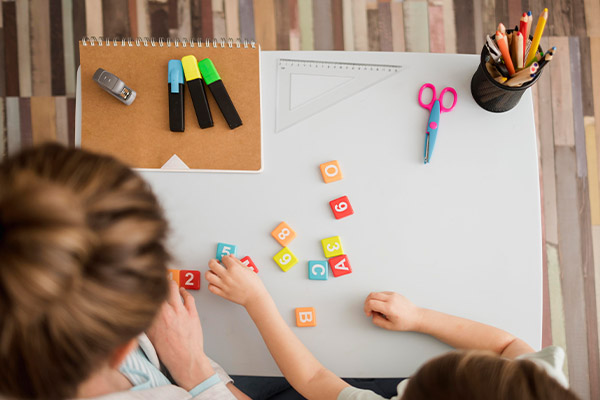
There is a wide range of toys that speech therapists recommend for home use. These items are easy to introduce and require little preparation. They help encourage a child’s language by fostering creativity, turn-taking, and verbal interaction.
Some of the best toys for language development include pretend play items such as kitchen sets, animal figures, or doctor kits. These encourage toddlers to act out scenes, name objects, and describe scenarios. Dolls, cars, and action figures are also useful for storytelling and role play, helping children create sentences and expand their vocabulary.
Books with flaps or textures, musical instruments, and stacking toys also rank high among speech therapy toys. These products support verbal expression, listening skills, and interaction, making them a staple in speech therapy for 2 year old toddlers.
Classic Toys Still Make a Big Impact
While there are many modern gadgets and educational devices on the market, classic toy options remain incredibly effective for toddler speech development. Building blocks, shape sorters, and stacking rings offer open-ended play. They encourage children to ask for pieces, name colors and shapes, and follow simple commands.
Classic toy choices are versatile, long-lasting, and often require the child to communicate their thoughts or needs to others during play. This makes them perfect for practicing verbal skills in a relaxed setting. Additionally, these toys promote motor coordination, which is linked to better cognitive development.
Best Toys for Speech Therapy According to Therapists
Speech therapists agree that some toys are particularly effective during therapy sessions. For example, interactive books allow toddlers to point to pictures, listen to stories, and repeat words. Puppets are another favorite—they provide visual cues and invite children to speak through playful interaction.
Other recommended speech therapy toys include simple puzzles with animal or object shapes. These allow toddlers to label and describe what they see. Sensory bins, magnetic boards with letters, and picture cards also make regular appearances in therapy. These tools focus on both receptive and expressive language, helping kids understand and use words in context.
It’s also important to remember that toddlers respond best to toys that match their interests. Choosing toys based on what a child already enjoys—whether it’s cars, animals, or food—makes speech therapy more relatable and engaging.
Making Smart Toy Choices for Language Growth
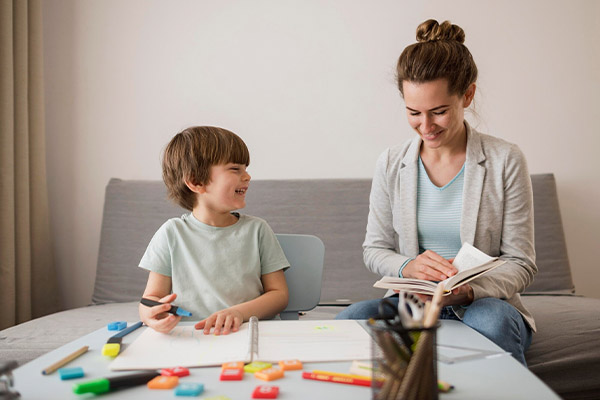
Every parent wants to give their child the best start possible. Understanding which toys promote speech development can go a long way in supporting this goal. Instead of focusing only on educational value, look for toys that encourage interaction, pretend play, and repetition. These are the key ingredients for successful speech therapy at home.
Start by adding a few high-quality stacking toys to your child’s collection. These encourage hand-eye coordination, attention, and word use during play. Add a few speech therapy toys like puzzles, puppets, and pretend sets that stimulate dialogue and storytelling.
Also, engage in play with your toddler. Use clear and simple language, label objects frequently, and ask open-ended questions. These habits reinforce what they learn during speech therapy for toddlers and help make new words stick.
Speech therapy is most effective when play and learning go hand in hand. Using toys recommended by therapists allows you to turn everyday moments into powerful language lessons. Whether you’re starting early with speech therapy for a 2 year old or just supporting language milestones, these tools make the journey easier and more enjoyable.
Explore a thoughtfully curated collection of the best toys for speech therapy, toddler language development, and early learning at ToysCentral. Give your child the tools to speak with confidence and joy through play.