

Your child’s imagination is the foundation of their creativity, emotional intelligence, and problem-solving skills. Many parents wonder, “Why is imagination important?”, especially in a world full of screens. The truth is, childhood imagination plays a crucial part in teaching children to learn and communicate. By encouraging imaginative play and thoughtful play ideas, you can nurture their curiosity and help them grow into confident, creative thinkers.
Why Is Imagination Important in Early Childhood
Understanding the importance of imagination in child development starts with learning how your child thinks. Imagination allows your child to explore emotions, practice social roles, and experiment with ideas in a safe way. Kids’ imagination helps them make sense of their surroundings, build empathy, and develop flexible thinking. Through imagination play, children learn that there are multiple solutions to a problem.
Imaginative Play Child Development
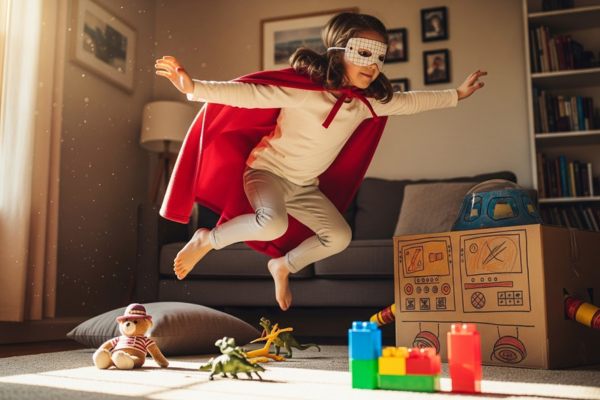
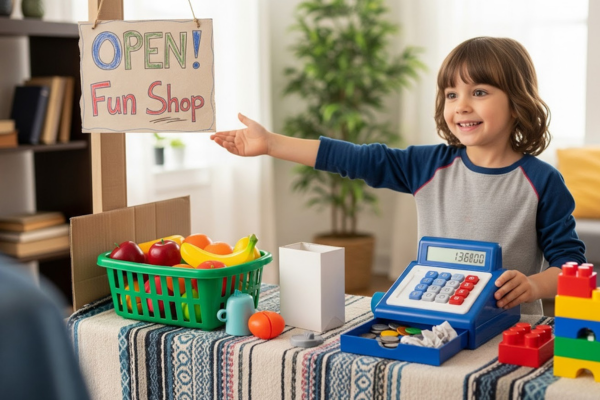
When children pretend, they aren’t “just playing”, they are actively developing language, memory, and social skills. Whether they are pretending to run a store or acting out family roles, imaginative play helps children understand how the world works.
Play Ideas That Spark Creativity
Simple, open-ended play ideas are the most powerful. They are easy to understand and do not limit your child. Blocks, art supplies, dolls, etc allow children to invent their own worlds. Avoid overly structured toys that limit creativity. Instead, offer materials that encourage imagination play, from cardboard boxes to costumes or even loose parts like fabric and wooden pieces.
Dramatic Play Ideas
Dramatic play ideas help your child explore real-life situations through their fun imaginary world. Playing house, doctor, shopkeeper, or teacher allows children to express emotions and understand society. This type of play builds communication skills and emotional awareness. Dramatic play for toddlers, in particular, supports early language development as they imitate sounds, gestures, and simple conversations they observe in adults.

Creating a Safe Space for Kids’ Imagination
A child’s environment is crucial for creativity. A dedicated play space where mess and experimentation are welcome help kids feel safe to explore. Their kids’ imagination flourishes here.Try not to interrupt play; instead, observe and join in every now and then. This shows them that you value their ideas and makes them feel more comfortable exploring them.
Encouraging Imagination Without Pressure
Parents don’t need to “teach” imagination, it grows naturally with time and freedom. Ask your child open-ended questions like, “What happens next in your story?” or “Who lives in this world you created?” These gentle prompts allow them to think deeper without directing the outcome. Supporting childhood imagination means valuing creativity over perfection and process over results.

Long-Term Benefits of Imagination Play
Children who engage in regular imagination play develop stronger communication skills, better emotional regulation, and higher creativity. The importance of imagination in child development is seen in how children adapt to change, handle challenges, and express themselves.
Conclusion
You don’t need expensive toys or complex activities to build your child’s imagination, just time, freedom, and encouragement. Through play ideas, dramatic play ideas, and interaction, you can nurture your kids’ imagination. Understanding why imagination is important helps you create an environment where creativity thrives
For more ideas, tools, and thoughtfully designed toys that support imaginative play and child development, explore our collection at ToysCentral today.