
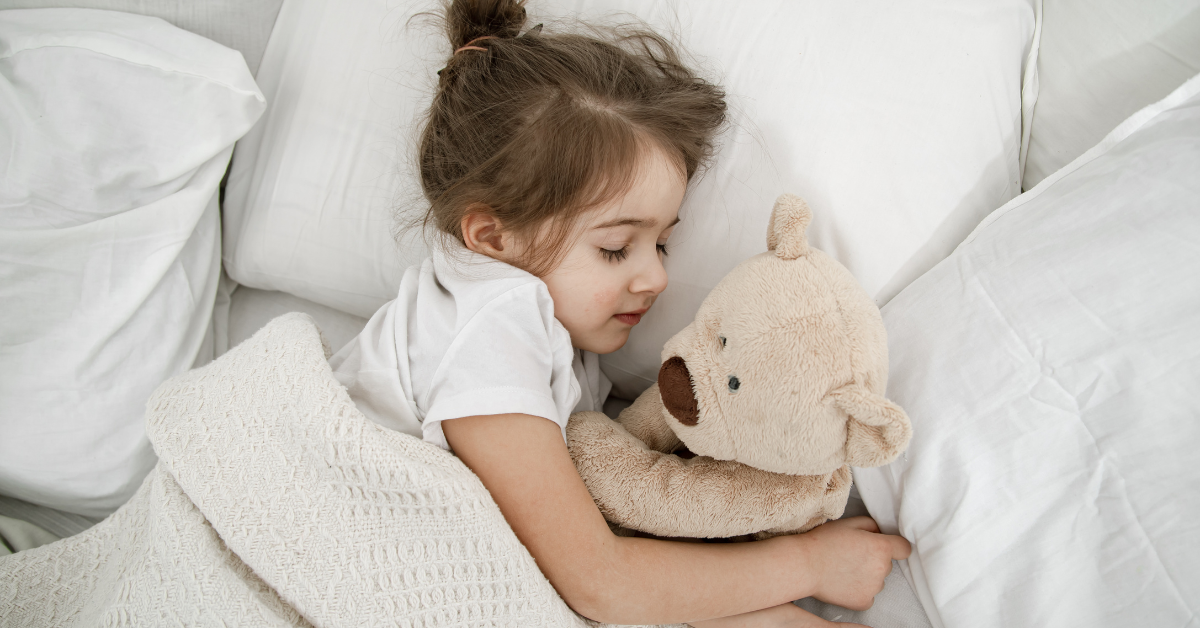
Quality sleep is crucial for both your child’s physical growth and cognitive development. Yet many parents continue to struggle with maintaining a bedtime routine and constantly wonder how they can help their child sleep peacefully. Understanding sleep hygiene and building healthy sleep habits early can make a significant impact in how well your child feels during the day.
Understanding Sleep Hygiene for Kids
To improve your child’s sleep quality, the first thing you need to understand is “What is sleep hygiene?”. Sleep hygiene refers to the daily habits, routines, and environmental factors that influence how well a person sleeps. Sleep hygiene for kids focuses on consistency, comfort, and creating a sense of calmness before bedtime.
Good sleep hygiene helps regulate the body’s internal clock, also called circadian rhythm, making it easier for kids to fall asleep and stay asleep.
Why Healthy Sleep Habits Matter
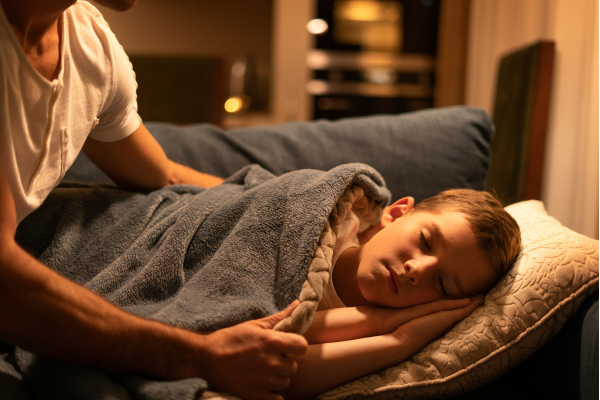
Healthy sleep habits make or break your child’s sleep quality. When your child is well-rested, they’ll show better focus and stronger immunity. On the other hand, irregular sleep habits can make them irritable and unable to concentrate during the day.
A predictable bedtime routine signals safety and security, helping your child relax mentally and physically before sleep. Over time, these small healthy sleep habits shape sleep behaviors for the rest of their life.
Create a Bedtime Routine
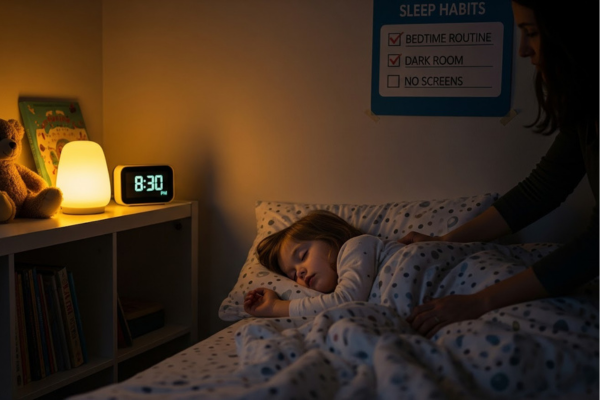
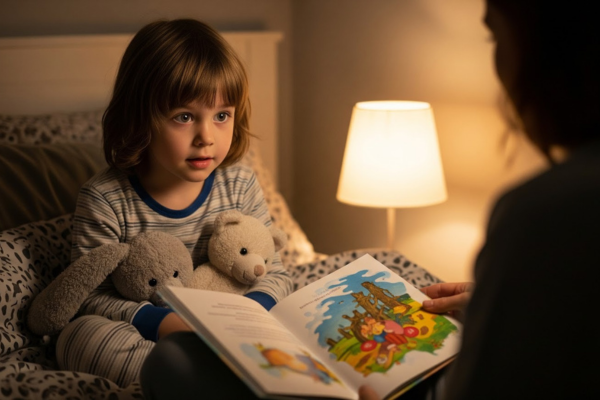
Consistency is one of the most powerful tools for better sleep. It’s all about creating a routine that begins at the same time every night. Activities such as a warm bath, reading bedtime stories, or gentle conversation can help them wind down naturally.
Avoid stimulating activities close to bedtime. Screens, loud play, or intense mental engagement can stop their body from being able to relax. Creating a smooth transition from active play to rest makes sleeping easier and more natural for your child.
Design a Sleep-Friendly Environment
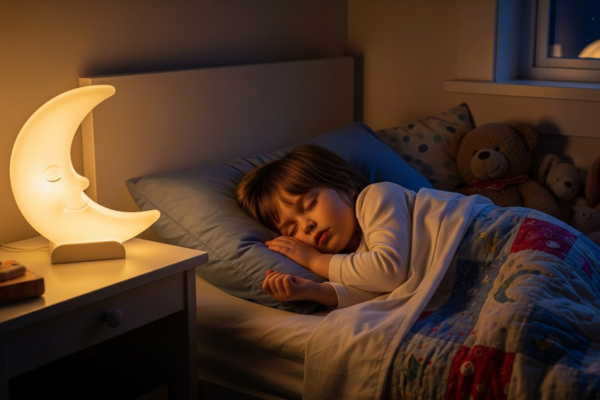
A child’s sleep environment has a strong impact on sleep quality. Their bedroom needs to feel calm, safe, and comfortable. Soft lighting, comfortable bedding, and a clutter-free space all help them relax better.
Minimise noise and light. Blackout curtains, white noise, or dim night lights can help if your child is sensitive to their surroundings. These simple adjustments can help your child rest uninterrupted. Snuggle toys can also help your child feel safer in the night.
Daytime Habits That Support Sleep
Good sleep doesn’t start at bedtime, it starts during the day. Regular physical activity helps children release energy and fall asleep more easily at night. Exposure to natural daylight also helps regulate sleep cycles.
Balanced meals and limited sugar intake in the evening are also easy to implement healthy sleep habits. Avoid giving your child heavy meals close to bedtime.

Conclusion
Better sleep in children begins with understanding sleep hygiene and creating a routine that is easy for them to follow. From building healthy sleep habits to designing a calming sleep environment, small changes can have a lasting impact. For more parenting ideas, tools, and thoughtfully designed toys that support sleep hygiene and child development, explore our collection at ToysCentral today.