How to Choose Safe and Non-Toxic Toys for Toddlers

When it comes to choosing toys for your little one, safety and health should always be at the top of the list. While bright colors, fun sounds, and cute designs catch your eye, what matters most is that the toys are free from harmful chemicals and designed to suit your toddler’s developmental stage. Whether you’re shopping for a birthday gift or everyday playtime, knowing how to pick safe and non-toxic toys for toddlers can protect your child while still keeping playtime exciting.

Why Toy Safety Matters

Toddlers explore the world through touch, sight, and — very often — taste. They put toys in their mouths, drag them across the floor, and sleep next to them. This constant contact means any harmful substances in the toy can make their way into your child’s body. By selecting non toxic toys, you avoid potential exposure to chemicals like BPA, phthalates, and lead, which have been linked to developmental and health issues.

Key Features of Safe Toys for Toddlers

When shopping for safe toys for infants or toddlers, there are a few important factors to check:

  • Material safety: Look for toys made from natural wood, organic cotton, or food-grade silicone.
  • No small parts: Avoid toys with detachable pieces that could pose a choking hazard.
  • Smooth edges: Ensure there are no sharp corners or splinters.
  • Non-toxic finishes: Paints and dyes should be lead-free and safe for mouthing.

These basics can help you make safer choices every time.

The Appeal of Non-Toxic Toys
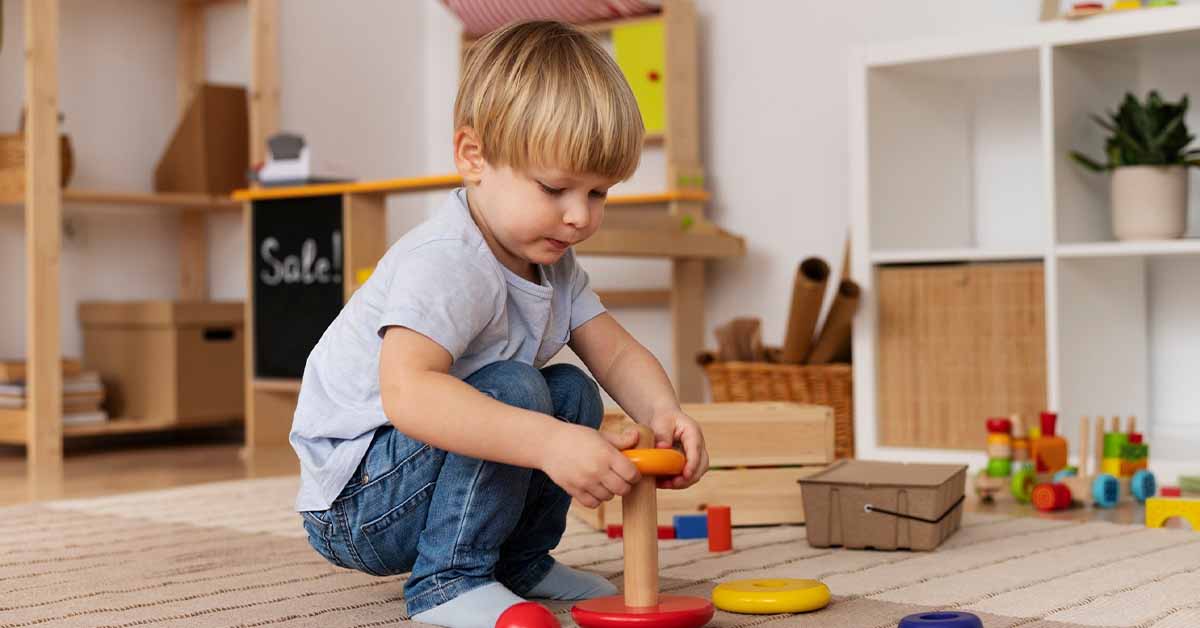
little kid holding wooden Safe and Non-Toxic Toys

The demand for non toxic toys has grown as parents become more aware of the chemicals used in mass-produced plastic products. Non-toxic options often use plant-based dyes, untreated wood, and organic fabrics, reducing chemical exposure. Many brands are now transparent about their safety testing and materials, making it easier to find products you can trust.

These toys aren’t just safer — they’re also more durable and often more aesthetically pleasing, fitting right into a cozy, minimalist nursery or playroom.

Best Baby Toys for Development and Safety

While safety is non-negotiable, playtime is also about fun and learning. The best baby toys balance safety with developmental benefits, stimulating fine motor skills, problem-solving, and imagination.

Some popular safe options include:

  • Stacking cups made of food-grade silicone.
  • Soft fabric books with crinkly pages for sensory exploration.
  • Natural rubber teethers that soothe gums without harmful chemicals.

Choosing toys that encourage active engagement while remaining safe creates a healthy and happy play environment.

Organic Toys for Babies

If you want to go one step further in safety, organic toys for babies are worth exploring. These toys are made from certified organic cotton, untreated wood, and other eco-conscious materials. They’re especially great for infants and toddlers with sensitive skin or allergies.

Organic plush animals, hand-knitted rattles, and unpainted wooden blocks are wonderful choices. They’re soft on delicate skin and free from pesticides or synthetic dyes.

Eco-Friendly Choices That Last
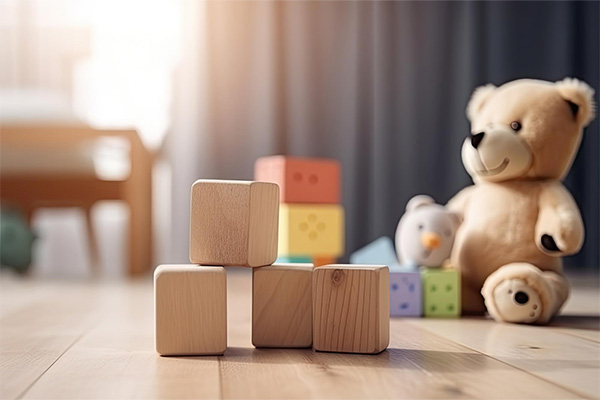
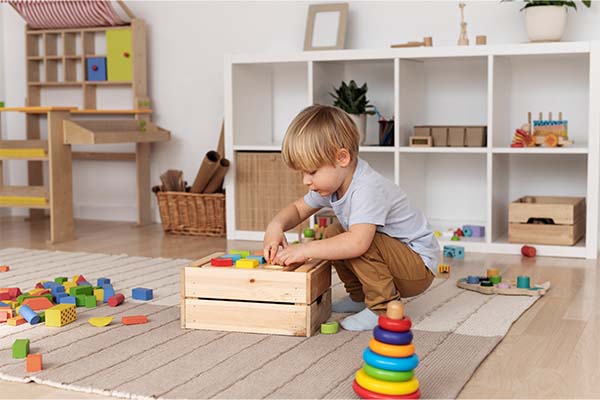
Wooden toy blocks on wooden table in the children's room

In addition to being safe for your child, many eco friendly toys are also kinder to the planet. Choosing toys made from sustainably sourced wood, recycled materials, or biodegradable plastics helps reduce environmental impact. These toys often have timeless designs that grow with your child, meaning less waste over time.

Many eco-conscious brands also follow ethical manufacturing practices, so you can feel good about your purchase from every angle.

Toddler Toy Safety Tips Every Parent Should Know

Beyond material and design, following toddler toy safety tips ensures playtime remains accident-free:

  • Regularly check toys for wear and tear — even the safest toy can become dangerous if broken.
  • Follow the manufacturer’s age recommendations.
  • Supervise toddlers during play, especially with new toys.
  • Keep toys clean to prevent the spread of germs.

Simple habits like these can make a big difference in preventing accidents and keeping your child healthy.

Balancing Fun, Safety, and Learning
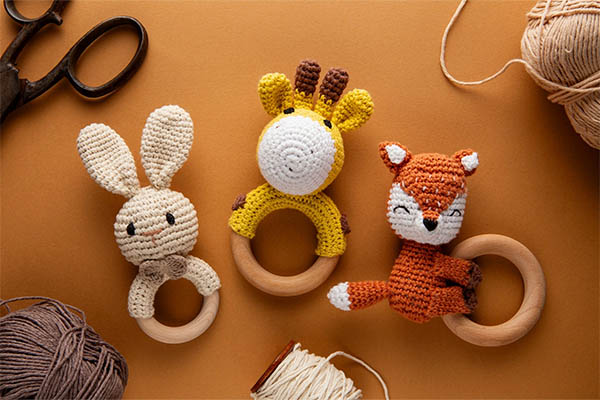
Safe and Non-Toxic Toys

Toys are a big part of a toddler’s world, but they should never compromise safety. With a little research and careful selection, you can find toys that check all the boxes — safe, educational, durable, and fun. Whether it’s the best baby toys for early development, organic toys for babies for a natural start, or eco friendly toys that teach sustainability, your choices can positively impact both your child’s well-being and the planet.

Choosing safe toys for toddlers is not about limiting play but enhancing it. When you know the toys are free from harmful chemicals and designed for their age, you can relax and enjoy those precious moments of laughter and discovery. After all, the best toys are the ones that let your child explore, create, and grow — safely.

Final Thoughts

Choosing safe and non-toxic toys for toddlers goes beyond just fun – it’s about protecting their health, supporting their development, and giving you peace of mind as a parent. By focusing on non toxic toys, eco friendly toys, and organic toys for babies, you ensure that playtime is both enjoyable and safe. Always check for quality, durability, and safety certifications before making a purchase. With these toddler toy safety tips in mind, you can create a play environment that encourages learning and creativity without compromising safety.

At ToysCentral, we’re committed to offering the best baby toys that meet the highest safety standards, so every child can play, learn, and grow happily.
The Psychology of Colour in Toy Packaging: Why It Matters

Toy packaging does far more than just hold a product. It sparks curiosity, fuels imagination, and drives the decision to buy—often in mere seconds. At the heart of this impact is colour. Colour plays a powerful psychological role, influencing emotions, perceptions, and purchasing behavior, especially in children. The psychology of colour in toy packaging is a nuanced subject that combines design, marketing, child psychology, and cultural trends. Let’s dive into how and why colours matter so much when it comes to packaging toys.

Why Colour Matters in Packaging

Children, particularly in their formative years, are highly responsive to visual cues. Before they can even read or fully understand a product, they’re already forming opinions based on what they see. Among all visual elements, colour is the first thing that catches their attention.

In a cluttered toy aisle or e-commerce page, products have to stand out within seconds. Bright, bold, or contrasting colours instantly capture the eye and help a toy stand apart from competitors. Colour can also communicate what the toy is meant for—whether it’s exciting, calming, creative, or educational.

Colour and Emotional Response

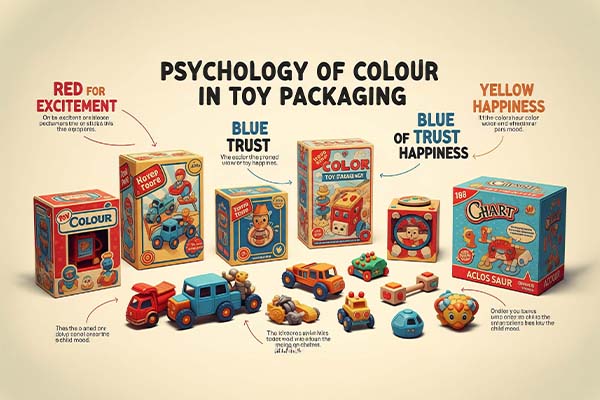
Infographic showing the Psychology of Colour in toy packaging, highlighting how red, blue, and yellow affect trust, excitement, and happiness in children's products

Each colour tends to evoke specific emotions or associations:

  • Red: Often used to convey excitement, energy, and urgency. Toys meant for action or high engagement, like racing cars or blasters, frequently use red in their packaging.
  • Yellow: Symbolizes happiness and optimism. It’s commonly used in packaging to appear cheerful and friendly, appealing to both kids and parents.
  • Blue: Known for trust and calmness. Educational toys, tech gadgets, or toys that focus on building and logic often feature blue for its soothing and reliable feel.
  • Green: Associated with nature, growth, and health. Eco-friendly or science-related toys may use green to reflect environmental consciousness or exploration themes.
  • Pink: Traditionally associated with femininity, softness, and nurturing, often used in toys targeted at young girls, such as dolls or playsets.
  • Purple: Evokes a sense of creativity, fantasy, and royalty. You’ll find purple in packaging for magical or imaginative toys.
  • Black or Silver: Often used in toys meant for older kids or teens to give a more sophisticated, tech-forward, or “cool” look.

These colours don’t just help in emotional targeting; they also create brand recognition and consistency across product lines.

Age-Appropriate Colour Strategy

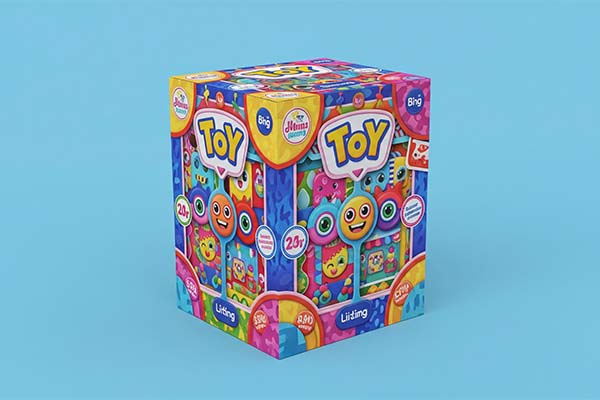
Bright and bold cube-shaped toy packaging with multiple cartoon faces and vivid hues, designed to visually stimulate kids and catch attention on shelves

Different age groups respond to colour in distinct ways. For toddlers and preschoolers, bright primary colours like red, blue, and yellow are the most engaging. These shades are easier for them to see and differentiate, and they tend to associate these colours with fun and safety.

As children grow older, their preferences become more nuanced. They might gravitate towards cooler or more complex colour schemes, often influenced by their interests, gender identity, or even pop culture. Toy brands that succeed long-term tend to adapt their packaging strategies as their audience matures.

Gender and Colour Stereotypes

The use of pink for girls and blue for boys has long been a staple of toy marketing. However, modern consumers are increasingly critical of gendered colour coding. Parents are becoming more aware of how colour choices can reinforce stereotypes. Brands that move toward inclusive, gender-neutral packaging with diverse colour palettes are often praised for promoting equality and allowing children to explore interests without imposed boundaries.

While gender-targeted colours are still prevalent, more companies are now exploring broader palettes to widen appeal and foster creativity in both boys and girls.

Cultural Interpretations of Colour

Colour psychology also varies across cultures. For instance, while red may signify excitement and luck in many cultures, it can be associated with danger or warning in others. Similarly, white may symbolize purity in one region and mourning in another. For international toy brands, being aware of these differences is crucial to ensuring packaging resonates positively with diverse markets.

Colour and Brand Identity

Strong toy brands often develop a signature colour or colour scheme that becomes synonymous with their identity. Think of LEGO’s bold red packaging or Barbie’s iconic pink. These colours are not just visually appealing but serve to build recognition and trust over time.

When used consistently across product ranges, these colours become part of the brand experience—allowing children and parents to spot their favorite toys from across the aisle.

Colour in Digital Toy Shopping

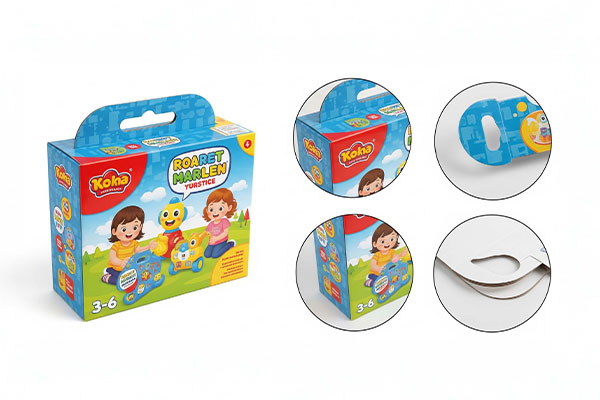
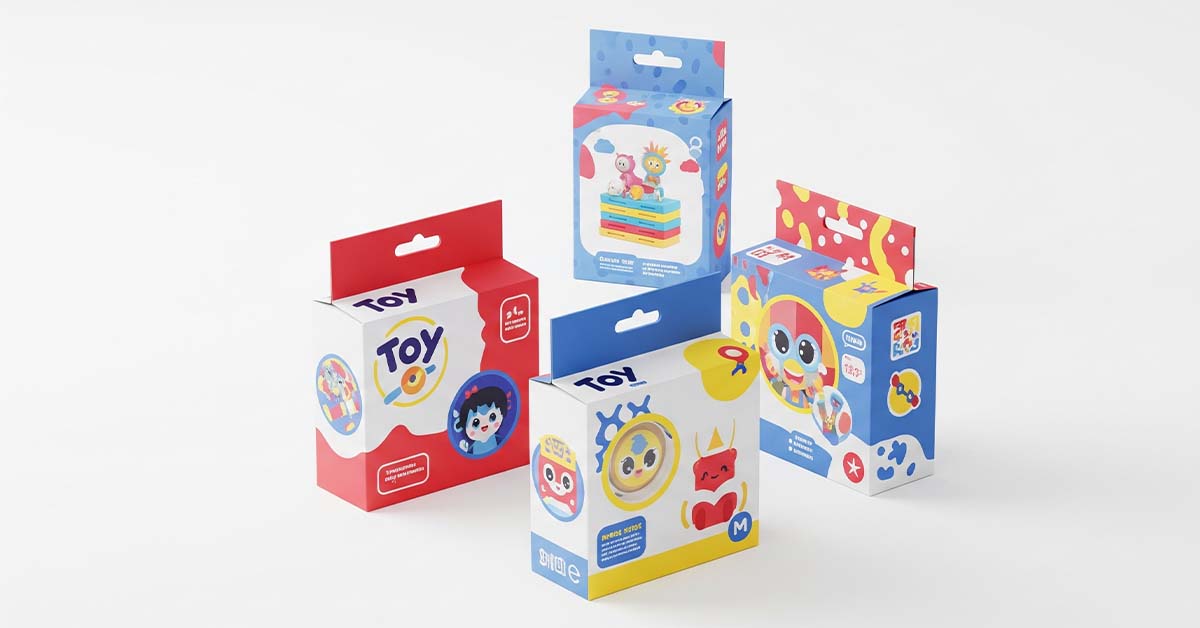
Colorful toy packaging box featuring cheerful cartoon characters, designed for children aged 3–6, with a die-cut handle for easy carrying

As more toy shopping moves online, packaging colour remains just as important—if not more. On digital shelves, you don’t have the benefit of 3D packaging or in-person demos. Colour becomes the quickest way to communicate emotion, category, or appeal through thumbnails and product photos. Toys that pop on-screen are more likely to be clicked, explored, and added to cart.

Trends Toward Sustainable and Minimal Packaging

Today’s consumers are also more eco-conscious. Some brands are embracing earth-toned colours, recycled materials, or minimalist designs to signal sustainability. Muted greens, browns, and natural hues may not scream excitement but can effectively appeal to environmentally aware parents.

Conclusion

The psychology of colour in toy packaging is a strategic tool that combines visual appeal with emotional and cultural resonance. From the moment a child sees a box on a shelf—or a parent scrolls past a product online—colour is silently working behind the scenes to create connection, spark joy, and influence the decision to buy.

As the toy industry evolves, so does the role of colour in marketing—moving beyond basic stereotypes to embrace inclusivity, sustainability, and emotional intelligence. Understanding the power of colour can help brands design more meaningful, appealing, and thoughtful packaging that

Baby Feeding Accessories Every Parent Needs

Feeding your baby is one of the most important—and often challenging—parts of parenthood. Whether you’re breastfeeding, bottle-feeding, or doing both, the right baby feeding accessories can make the journey easier, more comfortable, and much more efficient. From nursing pillows to high-quality bibs, investing in the right baby feeding products ensures your little one stays well-fed, clean, and happy. In this guide, we’ll cover the baby feeding essentials every parent should have from the start.

Top Baby Feeding Accessories to Add to Your Checklist

Nursing Pillow: Comfort for Mom and Baby

A nursing pillow is one of the most valuable breastfeeding essentials. It helps position your baby correctly, reducing strain on your arms, neck, and back. A well-designed nursing pillow supports your baby during feeding while allowing you to stay comfortable through long sessions.

It’s not only useful for breastfeeding moms—it also supports bottle feeding by offering a cozy, stable space to rest your baby. This makes it one of the most versatile baby feeding accessories you can buy.

Baby Bibs: Keeping Things Clean and Dry

Feeding time can get messy, which makes baby bibs an absolute necessity. Babies drool, spit up, and dribble milk—so having a stash of high-quality bibs will save you a lot of laundry. Choose bibs made of absorbent, soft material that’s gentle on your baby’s skin.

There are various types of bibs including cloth, waterproof, and silicone. Keep a few of each on hand to tackle different feeding scenarios.

Nursing Bras: Functionality Meets Comfort

Nursing bras are essential for breastfeeding moms. They offer easy access for nursing and provide support without being restrictive. Look for options with soft cups and no underwire to prevent clogged ducts or discomfort.

A good nursing bra will keep you comfortable throughout the day and make late-night feeding sessions easier. As one of the key breastfeeding essentials, it helps you feed confidently anytime, anywhere.

Breast Pads: Leak Protection You’ll Appreciate

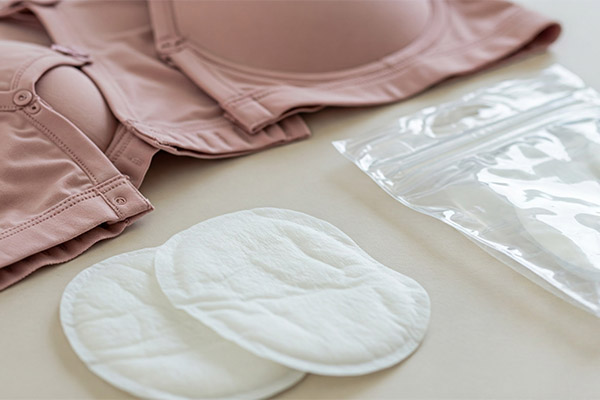
Breast pads, nursing bras

If you’re nursing, you’ll need breast pads—especially in the early months. These small pads absorb milk leaks and protect your clothes. Disposable and reusable options are available, both offering discreet, reliable coverage.

Breast pads also help reduce irritation caused by moisture, keeping your skin dry and comfortable. For moms on the go, keeping a few breast pads in your diaper bag is always a smart move.

Breast Milk Storage Bags: Store and Save with Confidence

When pumping breast milk, breast milk storage bags are essential. These pre-sterilized, leak-proof bags let you store milk safely in the refrigerator or freezer. Many are marked with measurement lines, making it easy to track quantities.

Using breast milk storage bags allows you to build a milk stash for when you’re away or need someone else to feed the baby. It’s one of the most practical baby feeding accessories for working moms and pumping moms alike.

Additional Baby Feeding Essentials to Simplify Mealtime

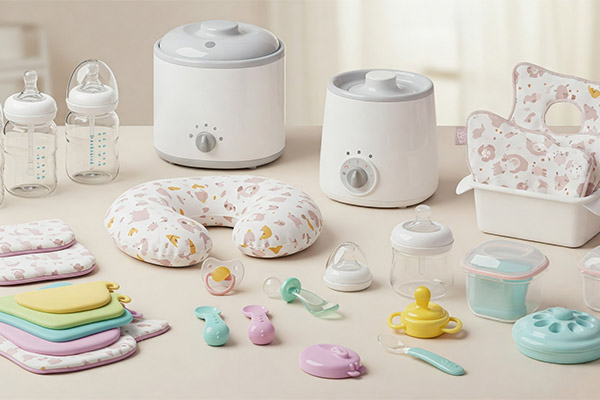
Baby Feeding Accessories

Bottle Drying Rack

After washing baby bottles, nipples, and accessories, a bottle drying rack keeps everything organized and hygienic. Look for racks that can hold various bottle parts and are easy to clean.

Burp Cloths

While not glamorous, burp cloths are vital for protecting your clothes during burping. They’re perfect for catching spit-up and wiping your baby’s face during and after feeding.

Baby Bottle Warmer

A bottle warmer quickly heats breast milk or formula to the ideal temperature. It eliminates the guesswork and makes nighttime feedings less stressful.

Silicone Feeding Spoons and Bowls

As your baby transitions to solids, soft baby feeding products like silicone spoons and bowls will become everyday tools. They are gentle on gums and reduce the chance of spills.

Building a Comfortable Feeding Routine with the Right Gear

Every parent’s feeding journey is different. That’s why it’s important to choose baby feeding accessories that suit your lifestyle and preferences. From supportive nursing pillows to reliable breast milk storage bags, each product plays a role in making feeding time smoother for both you and your baby.

The early days of parenthood are full of trial and error. Having the right baby feeding essentials allows you to focus more on bonding and less on troubleshooting. Keep your home stocked with items like baby bibs, breast pads, and nursing bras to handle the mess and magic of feeding time with confidence.

Don’t forget that feeding tools aren’t just about functionality—they also support comfort and emotional well-being. A well-chosen nursing pillow, for example, can reduce physical strain and promote a relaxing experience, which in turn benefits your milk supply and your baby’s overall happiness.

Final Thoughts on Must-Have Baby Feeding Accessories

Smiling young mother feeding baby with milk from bottle

Navigating feeding time doesn’t have to be overwhelming. With the right baby feeding accessories, you’ll be ready for every mess, milestone, and magical moment. Whether you’re building a baby registry or shopping for your newborn, focus on versatile and high-quality products. The right mix of baby feeding products will help you stay organized, calm, and ready for anything.

Explore a handpicked collection of baby feeding accessories at ToysCentral to make every feeding session smoother and more enjoyable.

Baby Travel Essentials for Summer: A Stress-Free Guide for Parents

Summer vacations with your little one can be both exciting and overwhelming. The sunshine, beach days, and road trips promise loads of fun, but traveling with a baby means preparation is key. From ensuring skin protection to packing the right bath and play essentials, this guide will walk you through all the baby travel essentials for a smooth, happy journey.

The Ultimate Baby Travel Checklist

A well-thought-out baby travel checklist is your first step to stress-free planning. Essentials include extra clothing, diapers, feeding supplies, and soothing toys. But summer demands special items to keep your baby comfortable and safe from heat and sun exposure. Lightweight clothing, baby sun hats, and the best baby sunscreen are a must.

Sun Safety Essentials for Babies

Hot weather calls for strict sun protection. Delicate baby skin is particularly vulnerable to harmful UV rays. Always apply baby sunscreen that’s formulated for sensitive skin and offers broad-spectrum SPF protection. Look for mineral-based options for a gentler application.

Baby sunglasses not only add style but also shield your child’s eyes from direct sunlight. Pair them with a baby sun hat that covers both the scalp and neck to reduce the risk of sunburn. These additions make your outdoor time fun and safe for your little explorer.

Clothing Essentials for Warm Weather Travel

Baby element son light blue background

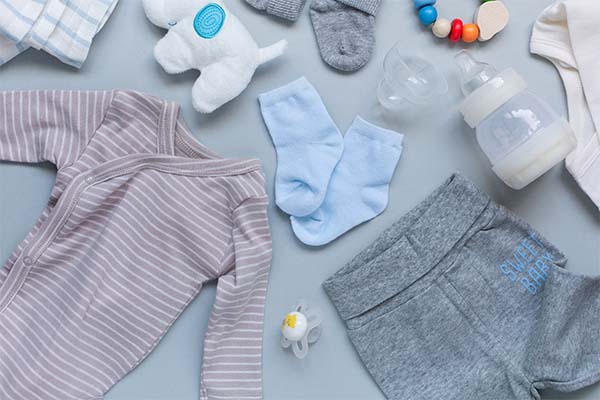
Choosing the right clothes can make all the difference on a summer holiday. Pack breathable cotton outfits, onesies, and rompers that are easy to change. Avoid heavy fabrics and tight elastic bands. Don’t forget socks, a lightweight jacket for cooler evenings, and multiple changes of clothes to tackle spills and accidents easily.

Bath Time Must-Haves

After a day filled with beach play or sightseeing, bath time becomes an essential wind-down activity. Pack a gentle baby wash that’s free from harsh chemicals and strong fragrances. Keeping their skin clean and hydrated is important, especially when dealing with sweat and sunscreen residue.
Additionally, the best diaper rash cream should always be on hand. Heat and humidity can make babies prone to rashes, so having a reliable cream to soothe and protect their skin can make a huge difference in their comfort.

Toddler Travel Essentials You Shouldn’t Forget

If you’re traveling with a toddler, your packing list slightly changes. Include easy snacks, spill-proof sippy cups, and favorite bedtime items to make them feel at home. Also, don’t forget lightweight blankets, a compact stroller, and a travel-friendly high chair if needed. These toddler travel essentials can make meals and naps easier while you’re on the move.

Feeding on the Go: Smart Solutions for Traveling Parents

Feeding during travel can be challenging, but the right tools make it manageable. Pack enough formula or breast milk, portable bottles, and a thermal flask to keep liquids warm or cold. Don’t forget bibs, snacks, and reusable containers. For solid-feeding babies, opt for ready-made pouches or travel-friendly cutlery to minimize mess and effort.

Baby Holiday Essentials That Make a Difference

Happy little girl going to travel

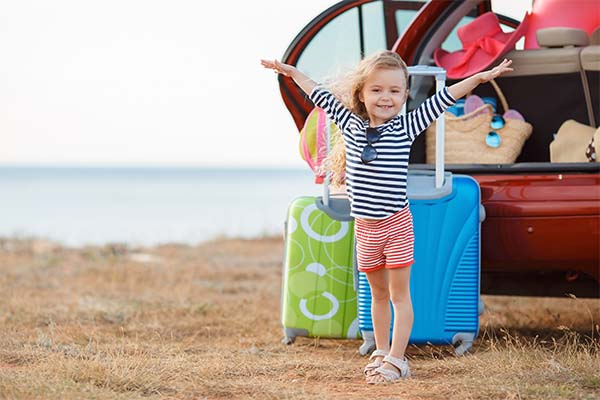
There are a few small yet mighty products that fall under baby holiday essentials. Think of a baby carrier for easy mobility in crowded areas, extra bibs and burp cloths for unexpected messes, and a travel-friendly baby monitor if you’ll be staying in hotels or Airbnbs. These extras bring ease and comfort to both baby and parents throughout the vacation.

Entertaining On the Go: Best Baby and Toddler Travel Toys

Long journeys and idle times at restaurants or airports can be tough for little ones. That’s where the best baby and toddler travel toys come in. Choose compact, safe, and interactive toys that are easy to pack and hold their attention. A mix of soft books, teething toys, and sensory activities are ideal.

Plan Smart, Pack Light

Traveling light doesn’t mean compromising on essentials. The trick lies in packing multi-purpose products. For example, a muslin cloth can double as a burp cloth, blanket, or nursing cover. Keep your luggage minimal but meaningful—prioritize based on your destination’s climate and duration of your stay.

Final Thoughts

Baby Travel Essentials

A little planning goes a long way when it comes to traveling with your baby. Focusing on health, hygiene, comfort, and play ensures a smoother experience for everyone. Whether it’s your baby’s first beach day or a family road trip, having the right summer travel essentials sets you up for beautiful memories.

Explore curated baby travel essentials, skincare products, and more at NineLife for a fun and worry-free vacation. Explore a thoughtfully curated range of baby travel essentials at ToysCentral and make your summer journeys smooth, safe, and stress-free.

Advanced LEGO Building Ideas for Kids: Ignite Creativity with Every Brick

Building with LEGO bricks is more than play—it’s a powerful way for kids to express creativity, practice problem-solving, and learn engineering basics. As children grow, their builds should evolve too. That’s where advanced LEGO building ideas come into play. By exploring new challenges and using more complex LEGO building sets, kids can expand their skill set and imagination. In this blog, we’ll explore exciting ideas, advanced LEGO building techniques, and expert tips on how to build LEGO creations beyond the basics.

Why Advanced LEGO Building Ideas Matter

Advanced LEGO projects help kids stretch their abilities. They require logic, patience, and an understanding of how structures work. This kind of play boosts creativity while also developing fine motor skills. Learning how to build LEGO beyond simple models makes each project more rewarding and educational. It’s where fun meets function and where simple bricks turn into masterpieces.

Creative LEGO Building Ideas to Challenge Young Minds

3d toy-like train model

Build a Working LEGO Clock

Challenge kids with a functional project—a LEGO clock. Using gears and axles, children learn about movement and timing. It’s a great way to mix STEM concepts with hands-on fun. You’ll need some advanced pieces, but the result is both practical and satisfying.

Design a LEGO Roller Coaster

Building a roller coaster involves planning, measuring, and testing. Kids can experiment with slope, speed, and gravity. This idea promotes engineering thinking and is one of the most exciting LEGO building ideas for older kids.

Construct a Mini LEGO City

Designing a city involves architecture, urban planning, and creative storytelling. Children can create homes, stores, roads, and parks. Introduce LEGO building techniques like modular design or layering for added complexity.

Recreate Famous Landmarks

Challenge your child to build landmarks like the Eiffel Tower or Statue of Liberty. They’ll need to use planning and research to recreate these structures. These kinds of projects teach patience and attention to detail.

Create a LEGO Puzzle Box

Puzzle boxes with secret compartments test both creativity and logic. Kids learn how to create mechanisms that work smoothly and hide secrets. These builds encourage problem-solving in a hands-on format.

Techniques That Take Builds to the Next Level

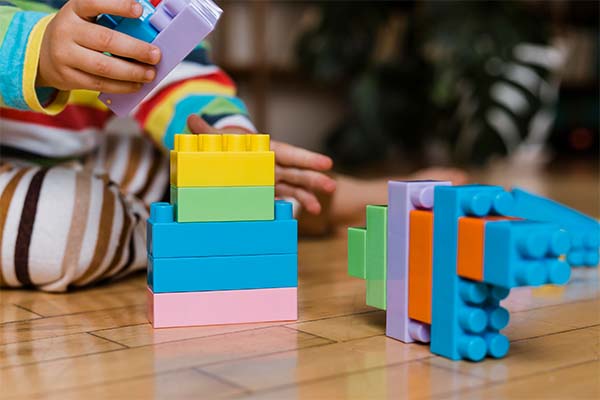
little boy playing with  LEGO building toys

Learning new LEGO building techniques helps kids improve accuracy and design quality. Here are some techniques they can try:

  • SNOT (Studs Not On Top): This method allows for sleek, smooth finishes and creative angles.
  • Bracing: Adding support through beams and cross-bracing makes builds stronger and more stable.
  • Color Coding: Using color for specific parts helps with organizing complex designs.
  • Mosaic Art: Flat pixel-style designs use small plates to create detailed images.
  • Gears and Axles: Integrating movement with gears gives life to machines and teaches kids how mechanics work.

These techniques introduce young builders to advanced strategies, opening up new ways to design and build.

Best LEGO Building Sets for Advanced Builds

The right LEGO building sets can unlock endless possibilities. Here are some options perfect for taking builds to the next level:

LEGO Creator Expert

These sets include thousands of pieces and complex designs. Ideal for older kids ready to tackle big projects like buildings and vehicles.

LEGO Technic

Great for kids who enjoy working with gears and mechanisms. These sets are perfect for exploring how to build LEGO models with real motion.

LEGO Architecture

Inspire interest in famous buildings and structural design. These sets promote architectural awareness and precision.

LEGO Mindstorms

For tech-savvy kids, these sets introduce robotics and programming. They offer both building and coding challenges.

LEGO Ideas

These sets are based on community designs and often feature unique themes and techniques. They’re ideal for kids looking for something different.

LEGO Challenges to Keep Building Fun

LEGO building ideas

Keep things fresh with creative challenges that improve building skills:

Timed Builds

Set a timer and give a theme. Whether it’s a vehicle or tower, the time pressure promotes quick thinking and creativity.

Mystery Bag Build

Fill a bag with random bricks and ask kids to build something from just those pieces. It encourages innovation and flexibility.

One-Color Challenge

Using only one color shifts the focus to shape and structure. It’s a great way to sharpen design skills.

Theme-Based Builds

Pick a theme like jungle, space, or underwater and build around it. This approach allows for storytelling and immersive play.

Storytelling Challenges

Ask kids to tell a story through their build. Whether it’s a treasure hunt or space rescue, it promotes narrative thinking.

LEGO as a Collaborative Activity

Building together can be just as rewarding as building alone. Invite friends or siblings to join. Group building encourages teamwork and creative exchange. Kids can assign roles like designer, builder, and planner to simulate a real construction team. LEGO-themed playdates or building contests are also great ways to boost engagement and social learning.

Advanced LEGO Building Ideas for Creative Kids

Child toys still life

LEGO isn’t just about following instructions—it’s about creating something new. Advanced LEGO building ideas help kids go beyond the basics and explore bigger, more exciting challenges. With the right LEGO building sets, techniques, and support, children can learn how to build LEGO projects that are complex, imaginative, and deeply rewarding.

From puzzle boxes and roller coasters to famous landmarks and creative cities, there’s no limit to what young builders can achieve. Encourage your child to keep experimenting, learning, and having fun—because with LEGO, every brick is a new opportunity.

Explore creative toys, LEGO sets, and more imaginative play tools at ToysCentral and bring your child’s building dreams to life.

Summer Toy Essentials: Must-Haves for Outdoor Play

Summer is the perfect season for kids to embrace the outdoors, soak up the sunshine, and burn off energy through active play. Whether it’s running around the backyard, splashing in the pool, or building castles in the sand, having the right summer toys makes all the difference. From toddlers to older kids, there’s a whole world of outdoor fun waiting to be explored. Let’s dive into the best outdoor toys for kids that promise laughter, learning, and plenty of movement this season.

Why Outdoor Play Matters

Outdoor play isn’t just about having fun—it also boosts a child’s development. Physical activity improves coordination and motor skills, while unstructured play sparks creativity and social skills. From scavenger hunts to backyard camping, summer activities paired with the right toys turn everyday outdoor time into exciting learning experiences. And when the toys are engaging, kids naturally want to spend more time outside. 

Top Outdoor Toys for Kids This Summer

When choosing outdoor toys for kids, look for options that combine entertainment with safety and developmental benefits. Some favorites that stand the test of time include ride-on cars, bubble machines, lawn games, and activity sets. For older kids, consider games that encourage running and teamwork like water blasters or frisbees. These are not just toys—they’re summer essentials.

Creative Summer Activities for Kids

Beach toys on sea beach

Beyond water toys and outdoor games, summertime is perfect for hands-on learning. Try simple DIY crafts, backyard science experiments, or nature scavenger hunts to make learning fun. These activities not only boost creativity but also reinforce skills in a playful way—keeping young minds active even when school’s out.

Outdoor Toys for Toddlers: Safe and Stimulating Fun

Toddlers need specially designed toys that match their growing skills. Toddler outdoor toys like mini slides, push cars, and splash pads are ideal for backyard play. Soft material balls, pop-up tunnels, and water tables also help toddlers explore textures, motion, and cause-and-effect play in a safe way. These toddler-friendly designs ensure hours of fun while nurturing early development.

Make a Splash with Pool Toys

When it comes to beating the heat, nothing beats a pool day. Pool toys for kids can range from floating rings and diving sticks to inflatable animals and water basketball hoops. These toys add an extra layer of excitement while helping children build water confidence and swimming skills. Always supervise young children, and opt for pool toys made of durable, non-toxic materials.

Water Toys That Keep Kids Cool and Happy

A waterthemed birthday party with water balloons water guns

Whether in the pool or just in the backyard, water toys are a summer staple. From sprinklers to water guns, these fun tools cool kids off and offer nonstop entertainment. For toddlers, look for gentle splash mats or water tables with spinning features. Older kids might enjoy a DIY slip-and-slide or water balloon fights with easy-fill balloons.

Beach Toys for Building and Exploring

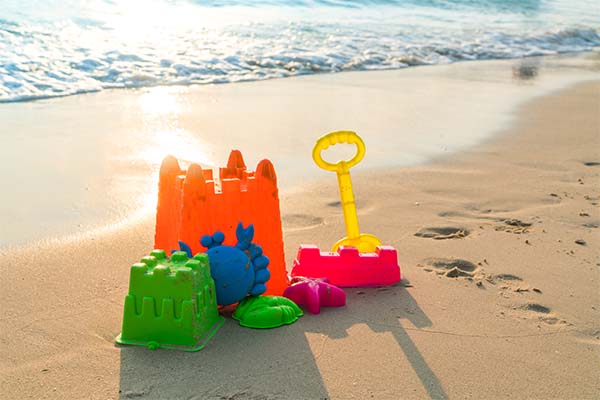
Beach days are made even better with a bucket full of beach toys. Shovels, rakes, molds, and sieves let children dig, build, and explore. Sand toys help refine motor skills while boosting creativity through open-ended play. Pack lightweight, easy-to-carry sets and don’t forget to include a sun hat and plenty of sunscreen.

Sand Toys: Not Just for the Beach

Sand toys can also be used in backyard sandboxes, at the park, or even indoors with kinetic sand. Think beyond the classic bucket and spade—look for sets with molds shaped like animals or castles. This kind of play promotes sensory exploration, hand-eye coordination, and independent thinking.

Best Backyard Toys for Endless Entertainment

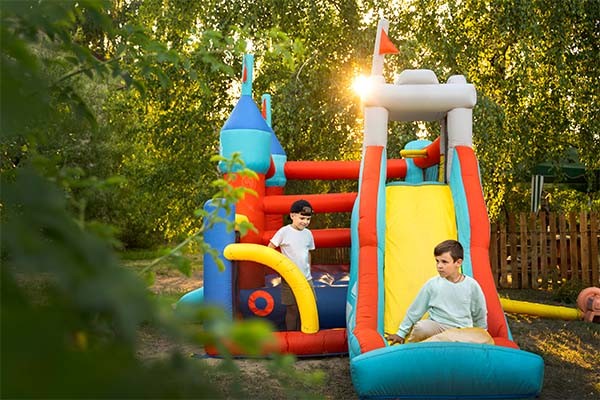
 kid playing in bounce house

Transform your backyard into a mini playground with the best backyard toys. Swing sets, seesaws, inflatable bounce houses, and even kid-sized picnic tables make outdoor play more inviting. You could also invest in climbing domes, balance beams, or obstacle course kits that help children challenge themselves while staying active.

Outdoor Baby Toys: First Steps into the Sunshine

For the tiniest adventurers, outdoor baby toys such as tummy-time mats, shaded play gyms, and baby-friendly swings allow safe and gentle outdoor exploration. These toys are specifically made to protect delicate skin and encourage early interaction with the environment.

Tips for Choosing the Right Summer Toys

Here are some quick tips for choosing the right summer toys: consider your child’s age, interests, and safety. Opt for toys that promote movement, creativity, and social interaction.

  • Look for age-appropriate toys to ensure safety and skill development
  • Choose durable, weather-resistant materials for outdoor use
  • Opt for toys that are easy to clean
  • Consider portable toys for beach or park trips
  • Encourage social play with toys that can be shared among siblings or friends

Final Thoughts

Summer toys for kids

Summer is all about movement, discovery, and laughter. With the right selection of summer toys, you can turn any outdoor space into a world of adventure. From water toys to backyard games, every item on this list supports active, imaginative play that keeps kids happy and healthy.

Looking for a one-stop shop for all your summer toy needs? Visit ToysCentral to explore a wide variety of outdoor toys for kids and toddlers, including pool toys, beach sets, and backyard favorites. Whether you’re planning a family vacation or just prepping for playtime at home, you’ll find the perfect options to suit every little explorer.

So, grab your sunscreen, stock up on these toy essentials, and let the summer fun begin!

Adaptive Toys: Enhancing Play for Children with Physical Disabilities

Play is an essential part of every child’s growth. However, children with physical disabilities often face barriers that limit their ability to engage fully in traditional play. Adaptive toys provide an inclusive solution, ensuring that all children can experience the joy of play while developing critical skills. These toys, designed to cater to various physical needs, help improve motor functions, cognitive abilities, and social interactions.

From sensory toys to developmental toys, there are countless options available to support children with unique needs. Whether it’s cerebral palsy toys designed for improved mobility, disability toys for accessible engagement, or therapeutic play tools that encourage growth, adaptive play is transforming the way children interact with their environment. Understanding the importance of these toys can help caregivers and educators choose the best options for enhancing playtime and learning.

The Importance of Adaptive Toys in Child Development

Disable boy playing with adaptive toys

How Adaptive Toys Support Physical and Cognitive Growth

Adaptive toys are more than just playthings; they serve as crucial tools in childhood development. These toys help children with physical disabilities strengthen their muscles, improve coordination, and develop problem-solving skills. Many of them also support sensory exploration, making sensory toys a vital part of the play experience.

Children with disabilities may struggle with fine and gross motor skills. Developmental toys that focus on hand-eye coordination, grasping, and manipulation offer engaging ways to build strength and dexterity. Therapeutic play further enhances these abilities by incorporating targeted exercises disguised as fun activities. This encourages children to participate without feeling like they are engaging in therapy.

Sensory Toys and Their Role in Inclusive Play

For children with sensory processing challenges, sensory toys provide comfort and stimulation. These toys often include textured surfaces, lights, sounds, or vibrations that help engage multiple senses. They are particularly beneficial for children with autism, cerebral palsy, or other conditions that impact sensory processing.

Some popular sensory toys include:

  • Textured balls and fidget toys for tactile stimulation.
  • Musical instruments that encourage auditory engagement.
  • Weighted plush toys that provide calming pressure for sensory regulation.
  • Light-up toys that stimulate visual interest and tracking skills.

Choosing the Best Disability Toys for Different Needs

Boy playing with colorful tower game

Cerebral Palsy Toys: Encouraging Movement and Coordination

Children with cerebral palsy may experience difficulties with movement, making specially designed cerebral palsy toys crucial for their development. These toys help improve hand-eye coordination, muscle control, and balance. Some of the best options include:

  • Switch-adapted toys: These toys allow children with limited mobility to activate sounds or movements using large buttons.
  • Soft building blocks: Building toys encourages stacking and grasping to strengthen fine motor skills.
  • Interactive play mats: Providing a soft surface with sensory features to enhance movement and balance.
  • Adaptive ride-on toys: Offering secure seating and supportive handles for safe mobility exploration.

Developmental Toys: Building Essential Skills

Developmental toys focus on strengthening cognitive and physical skills. These toys encourage children to think critically, solve problems, and refine their motor abilities. Some great options include:

  • Puzzle sets: Enhancing problem-solving and logical thinking.
  • Stacking and sorting games: Improving fine motor control and hand strength.
  • Interactive storybooks: Encouraging cognitive development through cause-and-effect learning.
  • Adapted board games: Designed with larger pieces and easy-grip elements for inclusive play.

Therapeutic Play: A Fun Approach to Therapy

Many children with physical disabilities require therapy to improve their mobility and coordination. Therapeutic play integrates enjoyable activities with targeted therapy goals, making it an effective method for development. Some excellent therapeutic play options include:

  • Therapy balls: Encouraging core strength and balance.
  • Resistance bands: Incorporating playful exercises to enhance muscle tone.
  • Activity gyms: Providing adaptable stations for multi-sensory experiences.
  • Hand-strengthening games: Helping with grasping and fine motor control.

Creating an Inclusive Play Environment with Adaptive Toys

Disable child playing adaptive toys

How Toys for Disabled Children Promote Social Interaction

Playtime is not just about physical and cognitive growth—it’s also about social development. Toys for disabled children create inclusive opportunities for interaction with peers, siblings, and caregivers. These toys promote teamwork, communication, and emotional bonding, which are crucial for social skills.

Some inclusive toys for disabled children include:

  • Cooperative board games: Encouraging group play and shared decision-making.
  • Large-piece building sets: Making construction play accessible to all abilities.
  • Adaptive dolls and action figures: Representing diverse abilities to promote inclusivity.
  • Voice-activated toys: Allowing hands-free interaction for children with mobility challenges.

The Role of Parents and Educators in Adaptive Play

Parents and educators play a vital role in ensuring children have access to adaptive toys that meet their needs. Creating an accessible play environment involves:

  • Selecting toys that match a child’s abilities and developmental goals.
  • Encouraging open-ended play that allows for creativity and exploration.
  • Adapting traditional toys to be more accessible by using Velcro, grips, or larger buttons.
  • Promoting peer interactions by facilitating inclusive group activities.

Ensuring that children with disabilities have access to meaningful play experiences helps build confidence, independence, and joy.

The Power of Play with Adaptive Toys

Kid doing a occupational therapy session

Every child deserves the chance to experience the joy of play, regardless of their physical abilities. Adaptive toys make this possible by creating opportunities for engagement, learning, and socialization. Whether through sensory toys, developmental toys, or therapeutic play, these tools play an essential role in supporting children’s growth.

By selecting the right disability toys, caregivers can help children overcome challenges and unlock new ways to explore the world around them. Investing in quality toys for disabled children enhances development while fostering inclusivity in play environments.

Explore the best adaptive toys for your child today at ToysCentral and create a world where play knows no limits!

Toy Storage: Simple Guide to Organize Your Children’s Toys

It’s extremely important for your children to have access to toys as a part of their development, but let’s face it– the clutter can get to be a bit overwhelming. With toys covering the floor, in every nook and cranny, and just about everywhere else your child can reach, finding a solution that works for everyone can be challenging. Fortunately, we have some toy storage ideas that might be able to help. Keep reading for a few simple toy organizing tips and tricks!


Devise Categories for Each Toy

First of all, sort all of your children’s toys into categories. It’s almost impossible to keep things organized if you don’t have a predetermined method to do so. These categories can be whatever works best for you and your family, whether that’s dividing toys based on color, size, type, or whatever else you may think of. Once you’ve come up with a few good categories, you can use those as a starting point for the rest of your organizing.

Invest in Storage Containers and Toy Organizers

Toy storage

Now that you’ve figured out the categories you’ll be using to organize your children’s toys, you need somewhere to put them all. We recommend using dedicated toy organizers or compact storage containers. These allow you to keep all of your children’s toys out of the way when not in use, but accessible whenever your little ones want to play with them. To make things even easier, try labeling each of the toy containers to correspond with one of the categories you developed. 

Come up With a Simple Cleanup Plan

So, you’ve figured out how you want to organize the toys and have the storage space to do so. What comes next? Naturally, you’ll need a plan on how to put everything into practice. We recommend coming up with a regular schedule for cleanup sessions. This will allow you to keep toy clutter from accumulating, ensuring that your home remains perfectly organized. (Or at least as perfectly organized as it can be with several children living there.) From there, it’s a simple matter of putting all the toys in their corresponding containers, taking very little time and effort for a great result.

Teach Your Children the Cleanup Plan

Of course, it also helps to teach your children how to keep their toys organized. Once you’ve set everything up, sit your children down for a moment to explain the new cleanup routine. Let them know when and how often you want them to clean up their toys, where each category of toy goes, and the like. Once they understand, you can start involving them in the cleanup process.

Involve Your Children in Cleanup

Boy arranging his toys

Involving your child in the cleanup process may be met with some resistance at first, but once they realize how much easier it is to organize their toys regularly, they should come around. They may need help for the first few times while they’re still getting the hand of it, so stay in the background and be sure they can ask questions if they don’t know where something goes or are having trouble for one reason or another. 

Most importantly, make sure that this is a positive experience for them. By teaching them the benefits of staying organized now, you’ll help them develop those skills and apply them later in life. This becomes especially important once they start school and organizational skills become more and more necessary. Starting early like this gives them a leg up, giving them the tools they need to excel in life.

Reward Your Children for Staying Organized

Father giving candy to his daughter

This raise a question, though– how do you turn cleanup, which most kids don’t want to do, into a positive experience? Like we mentioned earlier, children tend to oppose being asked to clean up initially, but more importantly, they tend to oppose changes in routine. Seeing as we’re looking at a change in routine involving cleaning, it’s going to be a bit of a hard sell. Fortunately, though, offering your children incentives to follow the new routine makes things much easier.

Rather than punish your children for not cleaning up, reward them for taking initiative in cleaning up. For example, if they spontaneously decide to clean up without being asked, reward them with a small treat or piece of candy. When cleanup time rolls around, set a timer for 15 minutes, and reward them with something like screen time or a fun activity if they finish cleaning up within that timeframe. Over time, they may even begin looking forward to cleaning up and being able to reap the rewards. The end result? A cleaner house and happier children.

Looking for more great tips, tricks, and products to keep your home clean and your little ones entertained? Come and visit our site at ToysCentral today!

9 Messy Play Activities for Toddlers

A messy toddler play session is hardly enjoyable to clean up, but this type of play is important for their development. Through sensory experiences, children can better explore textures, colors, and different materials, which helps them enhance their cognitive abilities and motor skills. If you’re looking for creative options, here are some engaging and easy-to-set-up messy play activities for toddlers.

Why Embrace the Mess?

Messy play is incredibly beneficial for toddlers, as in addition to the developmental aid, it enhances creativity and encourages early problem-solving. Whether you choose edible sensory play, outdoor mud adventures, or an array of colorful crafts, messy play for toddlers is a fantastic way to keep them engaged and learning.

Pro-tip for cleanup: Keep a damp towel or a bucket of soapy water nearby to make post-play cleaning quick and easy.

Messy Play Activity Ideas

Kid doing Messy Play Activities

The following activities are great for curious toddlers, but as always, ensure your child plays under an attentive adult’s supervision.

1- Rainbow Spaghetti Sensory Bin

Edible sensory play is an excellent way to let toddlers explore food in unique ways. Cook some spaghetti, divide it into portions, and use food coloring to dye each portion a different color. Once the spaghetti cools, toss it into a sensory bin or tray. Let your toddler squish, stretch, and mix the rainbow noodles. The texture of the spaghetti makes this one of the most exciting messy play activities for toddlers.

You can also add tongs or spoons to encourage fine motor skill development.

2- Cloud Dough Fun

Cloud dough is a simple, two-ingredient sensory material made from flour and baby oil (or coconut oil for a taste-safe option). It’s soft, moldable, and makes a great messy play item. Toddlers can scoop, shape, and crumble it, and it’s easy to remake for future play sessions. This type of dough can be hard to remove from carpets or upholstery, though, so designate a place in the kitchen for playtime.

3- Paint in a Ziploc Bag

If you want to try a low-mess alternative to traditional painting, try this sensory messy play activity. Squeeze different colors of paint into a resealable Ziploc bag, seal it tightly, and tape over the bag’s opening for extra security. Let your toddler squish and mix the colors. It’s a great way to explore color mixing without worrying about cleaning up paint spills.

4- Edible Finger Painting

Edible paint for kids

Create edible finger paint using yogurt or pudding with a few drops of food coloring in each. With this safe paint alternative, toddlers can smear, swirl, and even taste their paint without any risk of illness. Food coloring can still stain, though, so make sure your child is wearing old clothing and you’ve laid newspaper out to protect your surfaces.

5- Mud Kitchen Madness

Take messy play outdoors by setting up a mud kitchen. You can either use an old set of pots, pans, and utensils or a designated play kitchen to let your toddler “cook” with dirt, water, and leaves. Adding flowers, twigs, and grass can enhance the sensory experience.

Though this is a food-themed activity, avoid allowing your toddler to eat any of the dirt they’re playing with.

6- Frozen Toy Excavation

Freeze small toys or other toddler-safe items in a large block of ice and let your toddler excavate them with tools like spoons, droppers of warm water, or small hammers. This activity is both educational and fun, as it offers children the opportunity to experiment. This type of frozen excavation also improves fine motor skills and teaches basic scientific concepts like melting and temperature.

7- Shaving Cream Car Wash

If your toddler likes cars or trucks, they’ll probably have fun with a pretend car wash. Fill a bin with shaving cream and let them drive their toy vehicles through it. Once they’re covered in “mud,” set up a small water station for washing the cars. Use sponges, scrub brushes, and spray bottles to enhance the sensory messy play experience.

8- Nature Collage with Glue

Take your toddler on a nature walk to collect leaves, flowers, and twigs. Back at home, provide them with glue and a large piece of paper they can use to create a nature-inspired masterpiece. This activity combines sensory messy play, creative expression, and fine motor skill building.

By trying out these messy play activities with your toddler, you’re not only creating memorable experiences but also fostering their healthy growth and development. So, grab those paints, pasta, or mud, and let the fun (and learning) begin.

9- Rice and Pasta Sensory Bin

Cute girls playing with dough at kitchen

Create a tactile feast by mixing uncooked rice and pasta in a bin. Add spoons, cups, and scoops for pouring and digging. For an extra-sensory twist, color the rice and pasta with food-safe dyes and let them dry before letting your child play with them.

The Pros and Cons of Tech-Based vs. Traditional Toys

While toys are just as important as ever for your children’s entertainment and development, the variety and types of toys are far greater than ever before. In addition to traditional toys like building blocks, board games, and stuffed animals, we now have access to digital toys like smart devices and game consoles that are revolutionizing children’s entertainment. As with anything new, though, it’s worth considering the pros and cons of bringing it into your home. 

Here’s everything you need to know about the pros and cons of tech-based toys when compared to traditional options.

Pros of Tech Toys for Kids

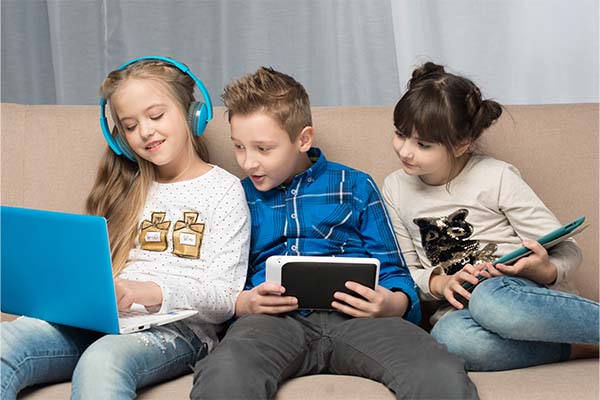
Kids playing with tech toys

First of all, let’s cover the positives of tech-based toys. Adding modern technology to children’s toys has brought about a lot of positives that have changed the way children learn and play for the better. Here are a few of the most important positives.

Increased Versatility

Many traditional toys are built with a specific purpose in mind. A puzzle is designed to be assembled, building blocks are designed to be put together into simple structures, and so on. Tech-based toys like smart tablets, though, offer a lot more versatility. Given, the upfront investment for a tablet is a bit heavier than it would be for a simple set of blocks, but it’ll hold your child’s attention for much longer. That’s because smart devices like tablets allow several different functions through apps. If your child gets bored with the game they’re playing, they can just switch to a new one. If they’re bored of all their games, they can simply go to the device’s app store and download an entirely new library for hours of entertainment. 

Potential Fine Motor Benefits

As much as people call video games a waste of time, there’s some indication that this may not be the case. While the scientific community has yet to reach a strong consensus, many studies have concluded that people who regularly play video games display faster reaction times, improved fine motor skills, and strong problem-solving abilities. These are all invaluable skills that aren’t taught in schools, so if there’s a way for your little ones to learn them through play, we believe it’s a solid investment.

Cons of Tech Toys for Kids

Technology concept with young kids

Given, the rise of tech toys for kids hasn’t been without its drawbacks. Whenever anything new and exciting comes along, there are always issues to be ironed out, problems to be solved, and issues to be accounted for. As such, it’s important to understand the potential negatives of giving your children tech toys ahead of time so you can make an informed decision. Here are a few of the most important negatives to watch out for.

Decreased Socialization

If you’ve ever used social media, you likely have experienced a decrease in socialization on some level. Even if you’re not totally withdrawn, you’ve probably spent an entire afternoon just scrolling through your feed without realizing how much time had passed before. The chief concern with tech toys for kids is that the same thing could happen to your children. Rather than playing outside and socializing with friends, they may prefer to spend their days alone with their technology, leading to social isolation and the negative mental health effects that come with it. 

To prevent this, it’s extremely important to set boundaries ahead of time regarding when, where, and for how long it’s appropriate for your child to play with tech-based toys. Even more importantly, when the time comes to enforce those boundaries, don’t back down! Even if your child protests in the moment, they’ll thank you in the long run. As long as these boundaries are in place, though, tech-based toys can be a great way for children to relax and recharge on their own.

Data Harvesting

Another strong concern, especially if your child plays online games with their tech toys, is what tech companies will do with their data. Though many laws are in place to protect the personal information of minors, some data can still find its way through, especially if your child hasn’t been taught the basic principles of internet safety. Because of this, we recommend teaching your child those principles as soon as possible. This will allow them to understand and apply methods to protect their personal information from data harvesters without having to sacrifice all the fun and entertainment that a tech-based toy can bring.

Looking for more great tips, tricks, and products to promote learning and development through play in your children? Come visit our site at ToysCentral today!