
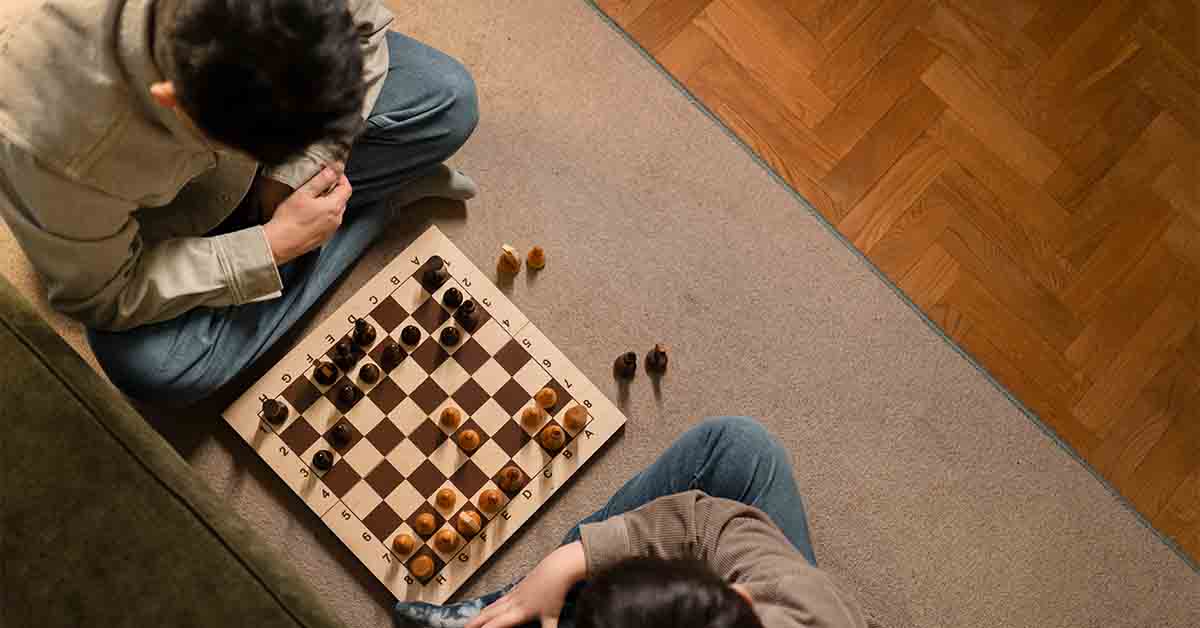
For generations, families have bonded over board games. In 2025, the debate of Classic vs. Modern Board Games continues to spark interest among parents, kids, and hobbyists. Whether you’re exploring classic board games that never lose charm or experimenting with modern board games filled with innovation, both bring unique value. The question remains: how do you choose the right one? Comparing these two categories helps families and gamers find the best board games for every occasion.
Classic vs. Modern Board Games: What Sets Them Apart
Classic board games have stood the test of time. Titles like Chess, Monopoly, and Scrabble are recognized worldwide. These games are easy to learn, timeless, and suitable for almost every age group. Their simplicity makes them great board games for kids, while their strategic depth appeals to adults. In family settings, they often become the best family board games because everyone knows the rules.
Modern board games, on the other hand, reflect the creativity of the last two decades. They feature immersive storylines, advanced mechanics, and interactive components. Games like Catan, Ticket to Ride, and Azul are staples of this category. Unlike their classic counterparts, these focus more on collaboration, resource management, and thematic experiences. In the debate of Classic vs. Modern Board Games, modern titles appeal to players who enjoy variety and strategy.
Why Classic Board Games Still Matter
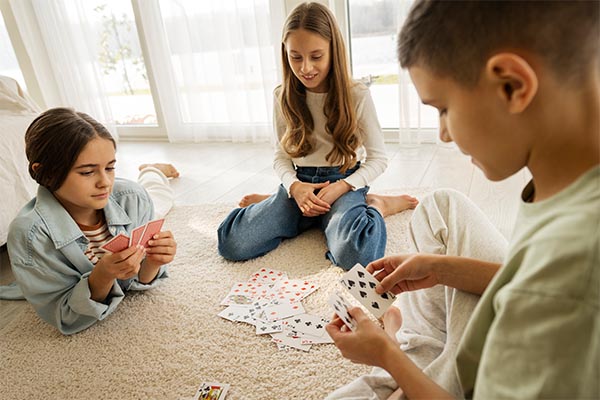
Classic board games remain relevant because of their simplicity and nostalgia. Families enjoy returning to these familiar titles year after year. A child can quickly grasp Snakes and Ladders or Connect Four, making them some of the best board games for kids. Chess or Checkers, meanwhile, sharpen logical thinking and strategy.
One strength of classic board games is accessibility. They require minimal setup and don’t overwhelm players with complex rules. For family gatherings, they often top the list of best family board games because multiple generations can enjoy them together. Another advantage is affordability—classic titles are widely available and cost-effective.
When comparing Classic vs. Modern Board Games, classics offer tradition and universal appeal. They may not feature intricate mechanics, but they excel in replay value and emotional connection.
The Rise of Modern Board Games
The last two decades have transformed the world of board games. Designers have pushed boundaries, giving rise to modern board games with unique mechanics. Cooperative play, resource building, and thematic adventures dominate this category. Players aren’t just moving tokens on a board; they’re solving mysteries, exploring lands, or negotiating trade.
Modern board games also rank among the best family board games, especially for families with older kids. Titles like Pandemic or Forbidden Island encourage teamwork, while Dixit sparks creativity. These games demand collaboration and imagination, turning family night into an adventure.
For those who enjoy variety, modern board games keep things fresh. Unlike traditional games that repeat the same patterns, modern titles evolve with expansions and alternate versions. In the Classic vs. Modern Board Games comparison, this innovation makes modern titles exciting for dedicated gamers.
How to Choose Between Classic vs. Modern Board Games

Think About Your Audience
When picking a game, consider who will be playing. For young children, board games for kids like Candy Land or Guess Who are perfect. They’re easy to learn and fun for short attention spans. For families with teenagers or adults, modern board games like Carcassonne or Wingspan offer deeper gameplay.
Consider Learning Curve and Time
If you want a quick, casual session, classic board games work best. Their rules are straightforward, making them ideal for busy evenings. On the other hand, if your group enjoys a challenge, modern board games provide complex gameplay that can last hours.
Balance Fun with Education
Both categories have educational value. Chess teaches patience and strategy, while Scrabble builds vocabulary. Modern board games often teach resource management, negotiation, and teamwork. Families looking for the best board games often combine both classics and modern titles to balance tradition with creativity.
Look for Family Appeal
In the Classic vs. Modern Board Games debate, family enjoyment is key. Games like card games, Uno or Connect Four are great for quick laughs, while Ticket to Ride or Codenames become favorites for longer family nights. The best family board games are those everyone can enjoy without frustration.
Benefits of Mixing Classic and Modern Board Games
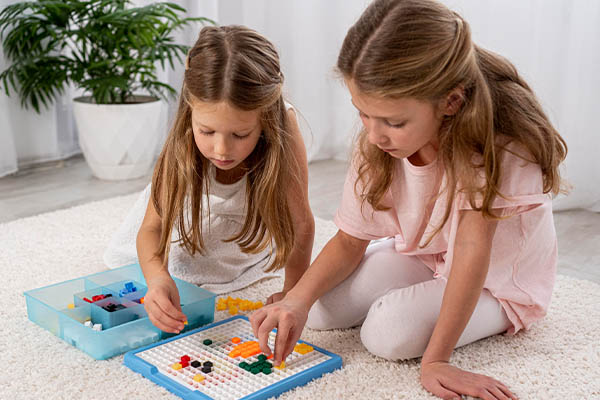
The smartest approach is not choosing one over the other but blending both. Classics bring familiarity and ease, while modern titles add innovation. Together, they offer families variety and excitement. Parents can introduce classic board games first, then gradually shift toward modern board games as children grow older.
This mix also ensures families always have options. Quick evenings call for classics, while weekends are perfect for immersive modern adventures. Whether you’re playing the best board games for skill-building or entertainment, having both categories ensures no one gets bored.
Conclusion: Classic vs. Modern Board Games in 2025
In the ongoing debate of Classic vs. Modern Board Games, there is no single winner. Each offers distinct advantages depending on age, interest, and occasion. Classic board games are timeless, simple, and perfect as board games for kids or quick family fun. Modern board games bring creativity, strategy, and immersive play, making them the best family board games for those who love variety.
Ultimately, families benefit most by blending both. Together, they cover tradition, learning, and entertainment. Whether you lean toward nostalgia or innovation, the joy of gathering around the table remains timeless.
Discover a wide range of classic and modern board games at ToysCentral.