
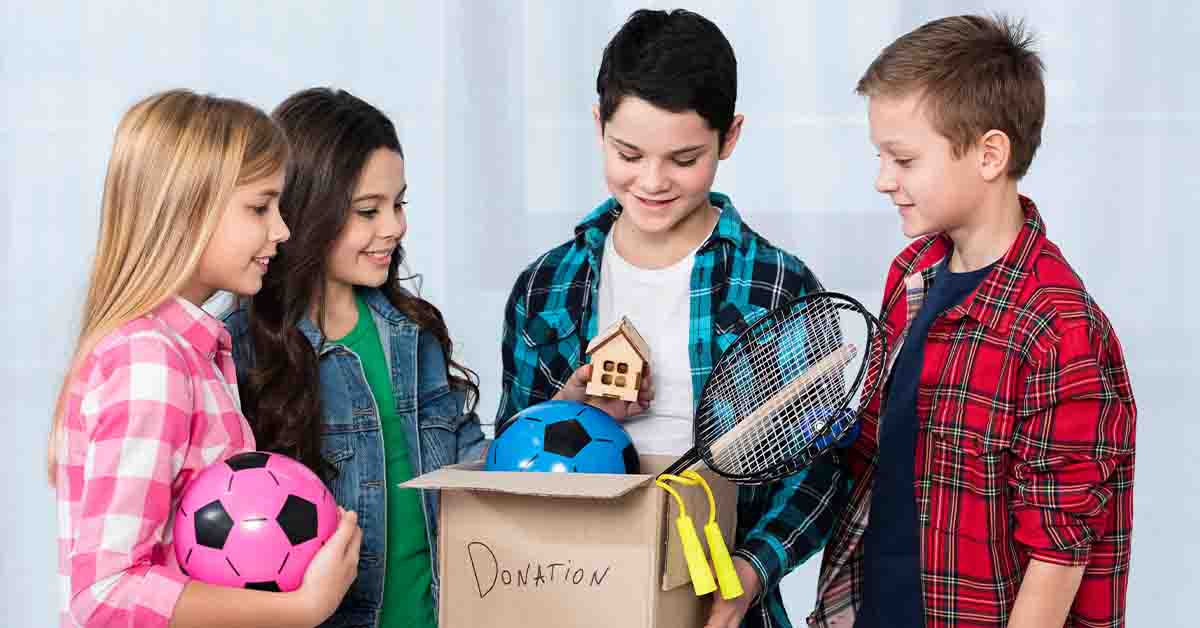
Children outgrow their toys quickly. As closets fill with unused items, many parents wonder what to do with old toys. Rather than throwing them away, a more thoughtful choice is to donate old toys. It gives those items a second life and brings joy to other children who may not have access to toys of their own.
Whether it’s the best board games, educational kits, or toys for autistic children, every toy can make a difference when placed in the right hands. However, donating toys isn’t as simple as packing a box and dropping it off. There are guidelines to follow, including safety, hygiene, and appropriate types of toys. Knowing how to donate old toys the right way ensures your generous act brings real value to its next owner.
Why It’s Important to Donate Old Toys Responsibly
Donating toys can teach children the value of generosity, empathy, and sustainability. It reduces waste and helps families in need. Many community centers, shelters, and hospitals rely on donated toys to support child development and emotional care. Whether you’re giving away puzzles or the best board games, you’re helping enrich another child’s world.
But not all toys are fit for donation. Some might be damaged, unsafe, or too worn out. That’s why understanding how to donate old toys properly is essential. It ensures safety, usefulness, and dignity for the recipient.
Do’s of Donating Toys
Do Inspect for Damage
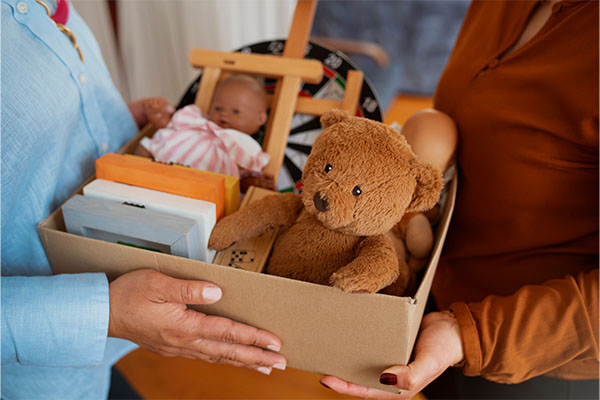
Before you donate old toys, check for missing parts, broken pieces, or wear that affects functionality. Toys that are chipped, cracked, or torn may pose a safety risk. Only donate toys that are clean, intact, and safe to use.
Do Clean Thoroughly
All toys should be washed or wiped down before donating. Plastic toys can be disinfected with mild soap and water. Fabric items like stuffed animals should be machine-washable and freshly laundered. Cleanliness is a major part of donating toys responsibly.
Do Check for Recalls
It’s important to verify that the toys haven’t been recalled for safety reasons. You can check online databases to confirm if any old toys you plan to donate are listed. This ensures you’re not unintentionally passing along a hazard.
Do Include Educational or Therapeutic Toys
Organizations often seek toys for autistic children and those with developmental delays. Items that encourage communication, sensory play, or focus are especially appreciated. Donating such toys makes a lasting impact.
Educational games, books, puzzles, and the best board games are excellent donation choices. These items promote skill-building and interaction.
Do Choose the Right Place to Donate
Choose organizations that align with your goals. Local shelters, hospitals, preschools, and nonprofits often accept toy donations. Some focus on specific groups such as children with special needs, making it easier to place toys for autistic children where they’re needed most.
Don’ts of Donating Toys
Don’t Donate Dirty or Damaged Items
Used toys must be in good condition. Broken items can be dangerous, and dirty toys spread germs. Avoid donating anything you wouldn’t feel comfortable giving your own child.
Don’t Donate Used Plush Toys Without Checking Policies
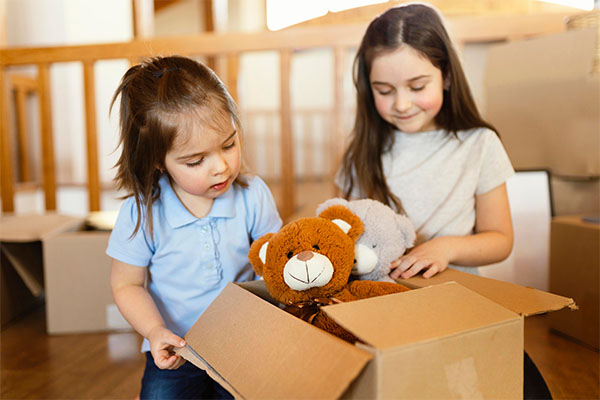
Some donation centers do not accept stuffed animals due to hygiene concerns. Before you donate old toys like teddy bears or plush figures, confirm that the organization accepts them and has proper sanitation standards.
Don’t Include Toys with Batteries or Electronics Unless Working
Battery-operated or electronic toys should be fully functional. If the toy is not working or missing parts, replace them or discard the item. Toys that light up, move, or talk are especially popular—but only when they work safely.
Don’t Donate Toys with Small, Loose Pieces to Young Children’s Programs
Toys with choking hazards should be reserved for programs that cater to older children. Always check the age guidelines for each toy before deciding where to send them.
Making a Big Impact with Small Actions
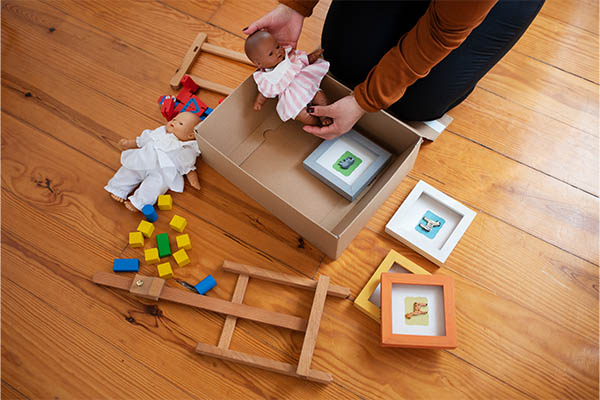
Many parents wonder what to do with old toys that are no longer used but still in great condition. Donating is a rewarding and responsible choice. With a bit of effort, your used toys can spark creativity, joy, and learning in another child.
It’s a great opportunity to involve your kids in the process. Let them help choose what to donate. Explain why giving back matters. It teaches compassion and reduces clutter in your home. Children learn that their old toys can become someone else’s new favorite.
You can even organize a toy drive in your neighborhood. Encourage others to donate old toys by creating drop-off points or sharing local donation center details. This builds a stronger community and creates a cycle of giving.
A Thoughtful Way to Give and Grow
Learning how to donate old toys properly turns a simple act of giving into something more meaningful. From best board games to toys for autistic children, your donations have the power to make another child smile, learn, and grow. Donating toys not only clears space in your home but also fills hearts across your community.
By following these do’s and don’ts, you ensure that your gift brings happiness and safety to others. It’s a chance to teach your children the importance of kindness, sustainability, and gratitude.
Ready to sort through your toy box and make a difference? Visit ToysCentral to discover more tips, inspiration, and support for giving toys a second life.