
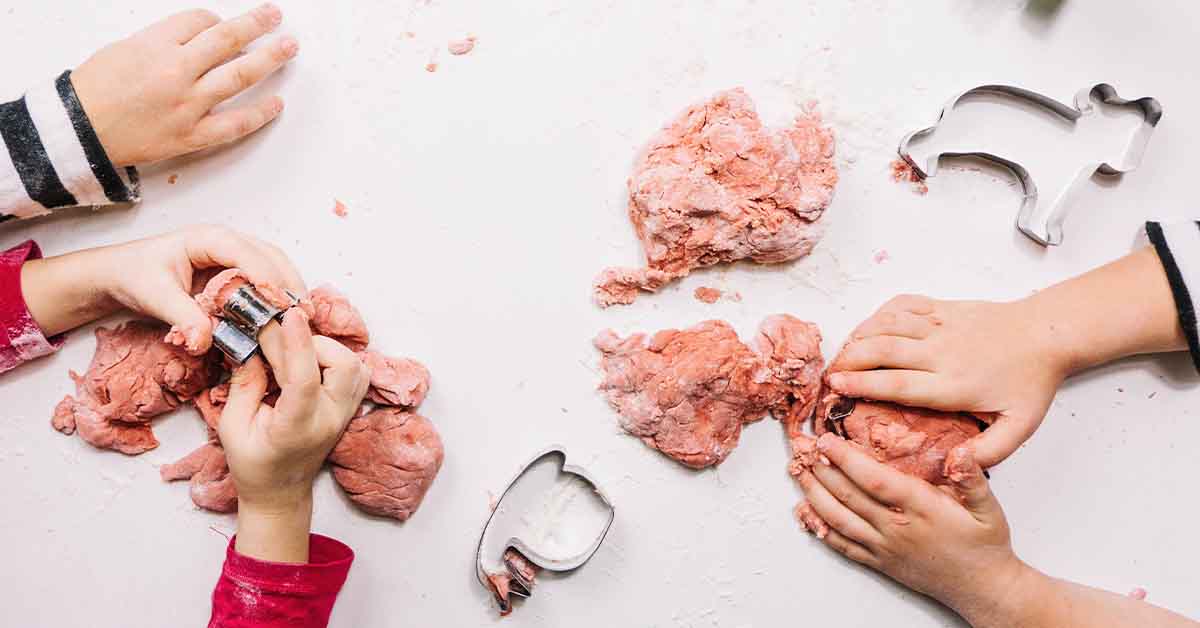
Messy play is an essential part of childhood development that allows children to explore their senses, express creativity, and learn through hands-on experiences. It involves activities that engage the senses, stimulate curiosity, and promote problem-solving skills. From splashing in mud to painting with fingers, messy play ideas offer endless opportunities for children to experiment and discover the world around them.
What is Messy Play?
Messy play refers to activities that involve tactile and sensory exploration. It includes using materials like sand, water, paint, mud, slime, or even food. Unlike structured play, messy play encourages open-ended exploration, allowing children to use their imagination without a specific outcome in mind.
This type of play is more about the process than the end product. It gives children the freedom to express themselves, make choices, and learn through trial and error. By engaging in messy play, kids develop fine motor skills, hand-eye coordination, and cognitive abilities while having fun.
Benefits of Messy Play
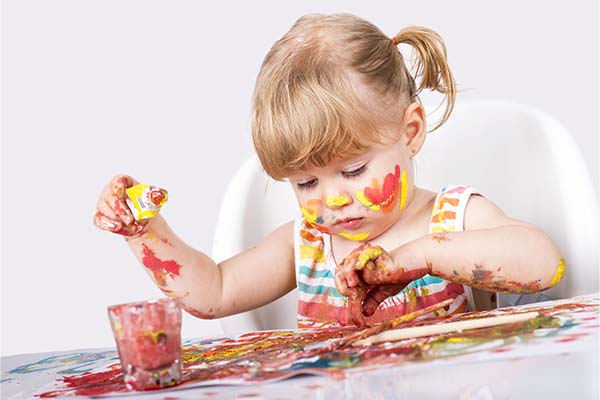
There are numerous benefits of messy play that go beyond just having fun. It is a crucial aspect of childhood development that fosters creativity, emotional expression, and social interaction. Here are some key benefits of messy play:
- Sensory Exploration: Messy sensory play stimulates the senses—touch, sight, smell, and sometimes even taste. This sensory stimulation is essential for brain development as it helps children understand the world through their senses.
- Fine Motor Skills Development: Activities like squeezing, pouring, mixing, and molding strengthen hand muscles and improve dexterity. These skills are vital for tasks like writing and buttoning clothes.
- Creativity and Imagination: Messy play encourages creativity by allowing children to experiment with different textures, colors, and materials. It nurtures imagination and problem-solving skills as they explore new ways to use the materials.
- Emotional Expression and Stress Relief: Messy play provides an outlet for emotional expression. It helps children express feelings they may not have the words for, making it an effective stress-relief activity.
- Social Skills and Communication: Engaging in messy play activities with peers fosters social interaction, communication, and cooperation. It teaches children how to share, take turns, and work together.
Messy Play Ideas for Endless Fun
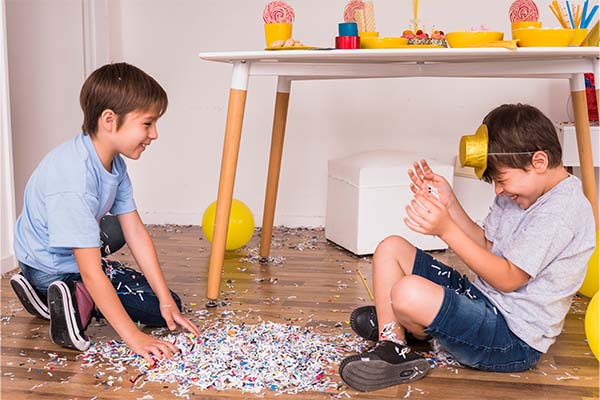
Looking for creative play ideas that are fun and educational? Here are some messy play activities that are perfect for toddlers and young children:
- Mud Kitchen: Set up a mud kitchen in the backyard with old pots, pans, and utensils. Let children mix mud, water, and leaves to create their own “recipes.” This encourages imaginative play and fine motor skills.
- Finger Painting: Provide non-toxic finger paints and large sheets of paper. Allow children to explore colors and textures by painting with their hands and fingers. This activity promotes sensory exploration and creativity.
- Slime Play: Make homemade slime using safe ingredients like cornstarch and water. The stretchy, gooey texture of slime is fascinating for children and helps develop sensory awareness.
- Bubble Foam: Create bubble foam using water, dish soap, and a hand mixer. Let children explore the fluffy, frothy bubbles with their hands or toys. This is a fun sensory activity that stimulates touch and sight.
- Sand and Water Play: Set up a sand and water station with cups, scoops, and molds. Children can build sandcastles, pour water, and mix the two for a unique sensory experience.
Messy Sensory Play: Engaging the Senses
Messy sensory play is all about stimulating the senses while having fun. It helps children develop cognitive and language skills by encouraging them to describe what they see, feel, and smell. Here are some sensory play ideas:
- Rainbow Rice: Dye uncooked rice with food coloring and let it dry. Children can scoop, pour, and mix the colorful rice, exploring textures and practicing fine motor skills.
- Shaving Foam Art: Spray shaving foam on a tray and add a few drops of food coloring. Children can use their fingers to swirl the colors, creating beautiful patterns while engaging their sense of touch and sight.
- Nature Collage: Collect leaves, flowers, and twigs from the garden. Provide glue and paper for children to create nature-inspired collages, enhancing their sensory awareness and creativity.
Messy Activities for Toddlers
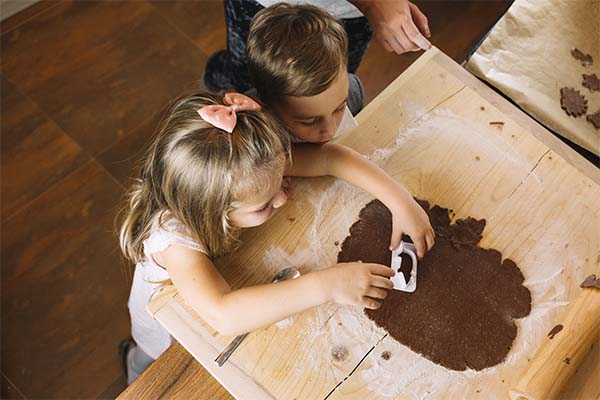
Toddlers are naturally curious and love to explore the world around them. Messy play activities for toddlers provide a safe and fun way to engage their senses and develop essential skills. Here are some toddler-friendly ideas:
- Edible Finger Paint: Make edible paint using yogurt and food coloring. Toddlers can explore colors and textures safely while developing hand-eye coordination.
- Pasta Play: Cook and cool pasta in different shapes and colors. Let toddlers explore the squishy, slippery texture while practicing fine motor skills.
- Water Beads: Hydrate water beads and let toddlers play with the bouncy, squishy spheres. This sensory activity enhances tactile exploration and hand strength.
How to Set Up a Messy Play Area
Setting up a messy play area at home is easy and helps contain the mess while encouraging creative play. Here’s how to create a fun and safe messy play environment:
- Choose a Designated Area: Pick a space that is easy to clean, like the kitchen or backyard. Use a plastic tablecloth or tarp to protect the floor.
- Wear Old Clothes or Aprons: Dress children in old clothes or aprons to avoid stains. This allows them to play freely without worrying about getting dirty.
- Use Washable Materials: Choose washable paints, non-toxic supplies, and easy-to-clean surfaces for a stress-free cleanup.
- Supervision and Safety: Always supervise messy play activities to ensure safety, especially when using small objects or liquids.
Tips for a Positive Messy Play Experience

To make the most of messy play ideas, keep these tips in mind:
- Embrace the Mess: Accept that messy play is meant to be messy. Focus on the learning and fun rather than the cleanup.
- Encourage Exploration: Allow children to lead the play without rules or restrictions. This fosters creativity and independent thinking.
- Keep It Safe: Ensure all materials are non-toxic and age-appropriate. Supervise young children to avoid choking hazards.
- Easy Cleanup: Have wet wipes, towels, and a trash bag handy for quick and easy cleanup.
Final Thoughts on Messy Play Ideas
Messy play is not just about making a mess—it’s about learning, exploring, and growing. It fosters creativity, enhances sensory awareness, and develops essential skills that contribute to a child’s overall development. Whether it’s finger painting, mud kitchen, or sensory bins, the possibilities are endless.