

Teaching kids about money is one of the most valuable life lessons a parent can offer. Financial literacy starts early, and introducing children to money-saving habits helps them develop responsible financial behavior. A simple yet effective method is using piggy banks for kids. These small but mighty tools instill the habit of saving and help children understand the importance of managing money wisely.
Why Teaching Kids About Money Matters
Children grow up watching their parents spend money, but they rarely understand where it comes from or how it should be managed. Without proper guidance, they may struggle with financial responsibility as they get older. Teaching kids about money early helps them build good habits that last a lifetime.
A kids piggy bank is more than just a container for loose coins. It serves as a hands-on learning tool that teaches patience, goal-setting, and the reward of saving. When children see their savings grow, they develop a sense of accomplishment and an understanding of delayed gratification.
The Best Way to Save Money for Kids: The Role of a Piggy Bank
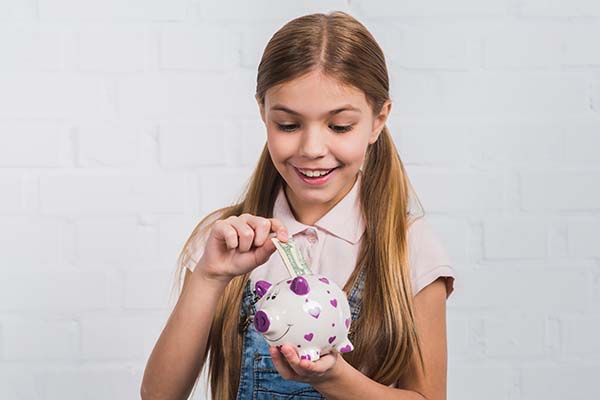
A piggy bank is one of the best ways to introduce financial concepts to children. Unlike digital money, which can feel abstract, a physical coin bank for kids provides a tangible representation of their savings. This makes it easier for them to grasp the concept of accumulating wealth.
Here’s why a piggy bank is the best way to save money for kids:
- Encourages Habit Formation: Kids learn by doing. Dropping coins into a piggy bank becomes a routine that reinforces saving habits.
- Develops Financial Discipline: Teaching kids to save money instead of spending immediately builds financial discipline.
- Introduces Goal-Setting: A kids piggy bank helps children set and achieve financial goals, like saving for a new toy or game.
- Enhances Math Skills: Counting and sorting money improves basic arithmetic and financial literacy.
- Teaches Delayed Gratification: Learning to wait before making a purchase teaches patience and smart decision-making.
How to Teach Kids About Money with a Piggy Bank
- Start Early: The earlier you introduce saving habits, the better. Even toddlers can understand the concept of putting money into a container and watching it grow.
- Make It a Fun Activity: Turn saving money into a game. Encourage kids to decorate their piggy banks, give them names, and track their progress.
- Use a Transparent Coin Bank for Kids: A clear piggy bank allows children to see their savings increase, making the process more exciting and rewarding.
- Set a Savings Goal: Help children set achievable goals, like buying a new toy, a book, or a fun activity. Having a goal motivates them to save consistently.
- Teach the Difference Between Needs and Wants: Explain the difference between essential expenses and impulse purchases. This understanding will help them make better financial decisions in the future.
Choosing the Best Piggy Bank for Kids

Not all piggy banks are created equal. When selecting the best piggy bank for kids, consider these factors:
- Durability: Choose a sturdy bank that can withstand accidental drops.
- Design: A fun and engaging design makes saving more exciting.
- Compartments: Some piggy banks come with separate slots for saving, spending, and donating, teaching kids about money management.
- Accessibility: Ensure it’s easy to retrieve money when they reach their savings goal.
Saving Money Tips for Kids
- Give Them an Allowance: Providing a small allowance helps kids learn how to manage money independently.
- Encourage Earning Money: Teach kids the value of hard work by offering small tasks for extra earnings.
- Match Their Savings: Motivate kids by matching a percentage of their savings, reinforcing the benefits of long-term saving.
- Celebrate Milestones: Recognize their progress to keep them motivated. Rewarding their efforts reinforces positive saving habits.
Teaching Kids to Save Money for the Future

As children grow, introduce more complex saving strategies. Teach them about budgeting, setting long-term goals, and even investing. A piggy bank is just the beginning of their financial journey.
Making Saving a Family Activity
Parents can make saving money a fun and engaging family activity. Setting family savings challenges, discussing money goals during dinner, and involving kids in budgeting decisions help them understand the value of money beyond their piggy banks. By making financial discussions a routine, children feel more confident about money management as they grow.
Encouraging Smart Spending Habits
Saving money is essential, but so is learning how to spend wisely. Teach kids to compare prices, wait for discounts, and make thoughtful purchases. Discussing the concept of value versus price helps them understand the difference between making impulsive buys and investing in items that truly matter. This balanced approach to money management ensures they grow up with a healthy financial mindset.
Helping kids learn how to save money through practical experiences ensures they develop lifelong financial responsibility. Start your child’s saving journey today with the perfect piggy bank from ToysCentral.