
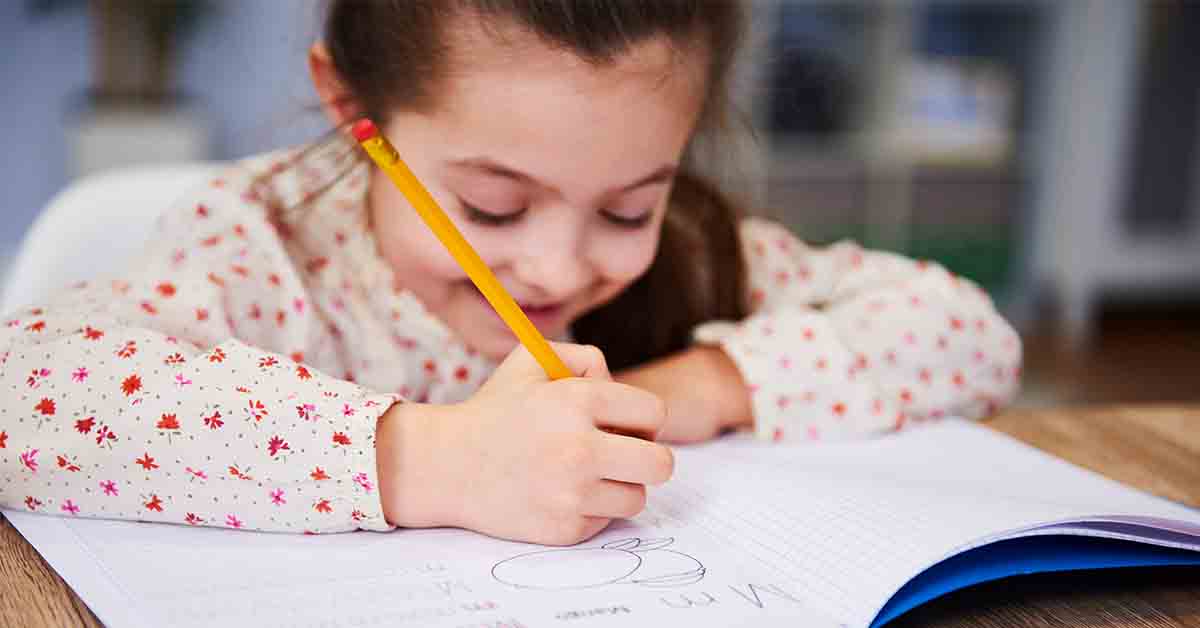
Good handwriting is more than just a skill for neat note-taking. It contributes to a child’s academic success and enhances their motor development. While many kids struggle with clear, consistent penmanship, it’s a skill they can improve upon with the right guidance. Here are some effective strategies to help your child’s handwriting more neatly.
Ensure the Right Grip and Posture
Handwriting begins with a proper grip and posture. Show your child how to hold their pencil using the “tripod grip,” where the pencil rests between the thumb, index, and middle fingers.
This grip helps give them better hand control and reduces finger and wrist soreness. Sit with your child and check out their natural grip, as well as the way they sit when writing. Encourage them to sit up straight with their feet flat on the floor. A stable, upright position not only helps with legibility but also prevents the discomfort that can come from slouching.
Use Large Strokes and Lines at First
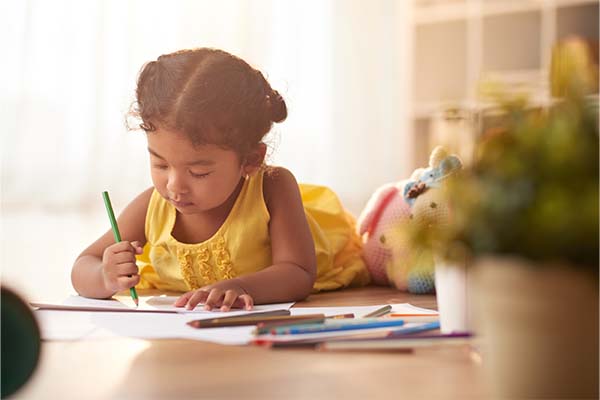
If your child has just started learning to write, start them out with larger strokes and lines. Provide a lined whiteboard or larger pieces of paper to practice on. Allow them to focus on the basic letter forms with a sizable writing area to work in. Larger movements can help build muscle memory and improve coordination, which can lead to better handwriting in the future.
Encourage Daily Handwriting Practice
Like any skill, handwriting improves with regular practice. Set aside a few minutes each day for your child to practice writing letters, words, or short sentences. Even short practice sessions of 10 to 15 minutes can be effective if you’re consistent with your child.
Try to make this practice time fun by choosing interesting prompts and ideas. Have your child write a short story or copy their favorite saying. Even a brief letter to a friend or family member will help your child perfect their writing in a relaxed environment.
Consistency is key to how to practice handwriting, so encourage them to stick with it, and you’ll notice improvement over time.
Break Down Letters Into Simple Shapes
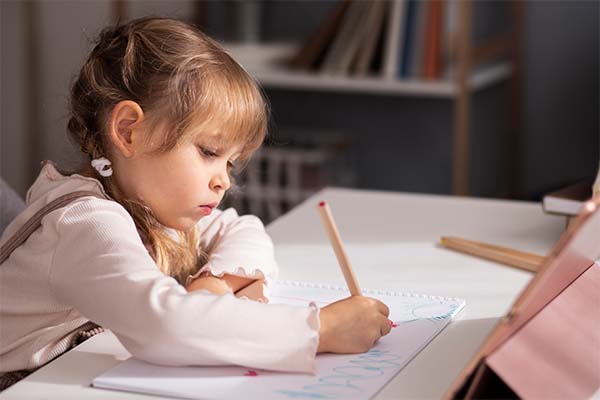
Young children often find it easier to draw shapes than letters. By breaking down letters into simple shapes, like circles, lines, and curves, you can make handwriting feel less intimidating.
For example, the letter “A” can be looked at as a triangle with two stilts under it, while the letter “O” is just a circle. Encourage your child to recognize these shapes, as this technique can make learning and writing letters a lot easier.
Explore Fun Ways to Improve Handwriting
There are many ways to bring creativity into handwriting practice for kids. Tracing over dotted letters, writing in sand with their finger, or using chalk on a sidewalk helps children enjoy the process of learning to write.
Interactive exercises and games help provide a creative outlet for kids’ handwriting practice, and they can also be adjusted to your child’s individual needs.
Focus on Spacing and Alignment
Teaching your child about spacing and alignment will make a noticeable difference in the neatness of their handwriting. Use lined paper to help them practice keeping letters within the lines and maintaining the right amount of space between words. Some parents and teachers use a finger or eraser as a “space marker” to guide younger children.
Over time, children will begin to develop their own sense of alignment, which will allow them to write neatly without needing visual aids.
Stay Positive When Teaching Kids How to Write Neater

Learning to write can be a challenging journey for kids, so positive reinforcement goes a long way. Praise them for their efforts, improvements, and progress, even if it’s just a small step forward. Positive feedback builds a child’s confidence and keeps them motivated to continue practicing.
Consider rewarding your child for making a consistent effort. Keeping a sticker chart or offering a small treat when they reach milestones could be an excellent way to keep things positive as your child learns. Encouragement is a powerful tool that helps reinforce how to practice handwriting with confidence.
Provide the Right Tools
The right materials can make a big difference in your child’s ability to learn. Thick pencils or special grip aids can help younger kids get used to holding a pencil. Lined paper or graph paper can be useful for kids struggling with spacing and alignment.
Select tools that fit your child’s age and abilities. This way, you can make sure they’re comfortable as they learn how to write neatly. When they feel properly equipped, they’re more likely to approach handwriting with enthusiasm.
Improving your child’s handwriting takes patience, consistency, and a bit of creativity. By building a solid learning foundation, you can help them develop skills for clear, confident writing. Remember, every child’s progress is different, so stay supportive and celebrate each improvement.